

Something is exciting about seeing new arrivals on a clothing website or walking into a store and spotting pieces you have never seen before. A fresh dress, a well-cut jacket, or even a simple new T-shirt can make your whole wardrobe feel different.
But new does not always mean better. The real trick is knowing which pieces deserve your attention, which ones fit your lifestyle, and how to wear something fresh without buying an entirely new wardrobe.
Whether you are looking for everyday clothing, seasonal fashion, workwear, party outfits, accessories, or affordable wardrobe updates, this guide will help you shop smarter. You will learn what new arrivals mean, how to choose useful pieces, what to look for online, and how to style current fashion without losing your personal style.
What Are New Arrivals in Fashion?
In fashion, new arrivals are products that a store or brand has recently added to its collection. They can include clothing, shoes, bags, jewelry, accessories, and seasonal pieces.
A new-arrivals section is usually where brands introduce their latest stock. You might find everything from basic cotton shirts to statement dresses and trend-focused outerwear.
The important thing is that “new” describes when an item entered the collection, not necessarily whether it is fashionable or high quality.
For example, a newly released white button-down shirt may look simple compared with a bold printed jacket. Yet the shirt could become one of the most useful pieces in your wardrobe because you can wear it with jeans, tailored trousers, skirts, or shorts.
When browsing new clothing, ask yourself:
- Does this piece work with clothes I already own?
- Is the fabric suitable for my lifestyle?
- Can I create at least three outfits with it?
- Does the cut suit my body and comfort preferences?
- Would I still want it if it were not currently trending?
Those questions turn casual browsing into thoughtful shopping.
New Arrivals for Women
Women’s new fashion arrivals often cover a wide range of styles, from relaxed basics to occasionwear. Depending on the season, you may see dresses, blouses, jeans, trousers, skirts, knitwear, jackets, activewear, and matching sets.
One useful approach is to separate trend pieces from wardrobe builders.
Trend pieces might include an unusual silhouette, dramatic sleeve, bold print, or current color. They can make an outfit feel fresh, but they may not work for every occasion.
Wardrobe builders are different. Think of a well-fitting blazer, straight-leg jeans, neutral knit, simple midi dress, or quality everyday shirt. These pieces can support many outfits for years.
For example, imagine you buy a cream knit cardigan. You could wear it with:
- Blue jeans and sneakers for a casual day
- Tailored trousers for work
- A slip skirt for dinner
- A dress when you need an extra layer
- Wide-leg pants for a relaxed weekend outfit
That is a much more useful purchase than an item that only works with one specific outfit.
Stylist tip: When shopping women’s new arrivals, look for a balance of approximately one statement item for every few versatile pieces. Your wardrobe will feel current without becoming difficult to coordinate.
New Arrivals for Men
Men’s new arrivals can range from everyday T-shirts and denim to shirts, overshirts, knitwear, trousers, sneakers, jackets, and accessories.
A common mistake is focusing too heavily on individual pieces instead of considering the complete outfit.
Suppose you find a fashionable oversized overshirt. Before buying it, think about what you will wear underneath and what trousers or jeans will balance its shape.
A simple outfit formula can help:
Overshirt + plain T-shirt + straight trousers + clean sneakers
It looks intentional without requiring complicated styling.
For smarter dressing, try:
Button-down shirt + tailored trousers + loafers
You can then add a lightweight jacket or knit layer when the weather changes.
Fit matters especially with men’s clothing. A trendy piece can still look awkward if the shoulders, sleeves, rise, or trouser length do not suit the wearer.
Instead of chasing every new trend, concentrate on proportions. If the top is loose, consider a cleaner trouser shape. If the trousers are wide, a structured or fitted upper layer can create balance.
Seasonal New Arrivals
Fashion brands often organize new arrivals around the seasons. That makes shopping easier because the selection reflects changing temperatures, colors, fabrics, and lifestyles.
Spring
Spring collections often introduce lighter layers, fresh colors, lightweight shirts, dresses, transitional jackets, and breathable fabrics.
A lightweight jacket can be particularly useful because spring weather can change throughout the day.
Summer
Summer arrivals usually focus on breathable clothing such as cotton shirts, linen pieces, relaxed trousers, skirts, shorts, lightweight dresses, and simple sandals.
Look for fabrics that feel comfortable in warm weather. A beautiful outfit is not much help if you cannot comfortably wear it for more than an hour.
Autumn
Fall collections often introduce knitwear, denim, jackets, boots, heavier shirts, and layered outfits.
This is a great season for experimenting with texture. Try combining denim, knitwear, cotton, suede-style materials, or structured outerwear.
Winter
Winter new arrivals typically include coats, sweaters, scarves, boots, thermal layers, and heavier trousers.
Instead of buying several similar sweaters, consider investing in different layers. A warm base layer, versatile knit, structured coat, and practical footwear can create many combinations.
Shopping tip: Before buying seasonal clothing, check what you already own from the previous year. You may need only two or three new pieces to make your existing wardrobe feel fresh.
How to Shop New Arrivals Online
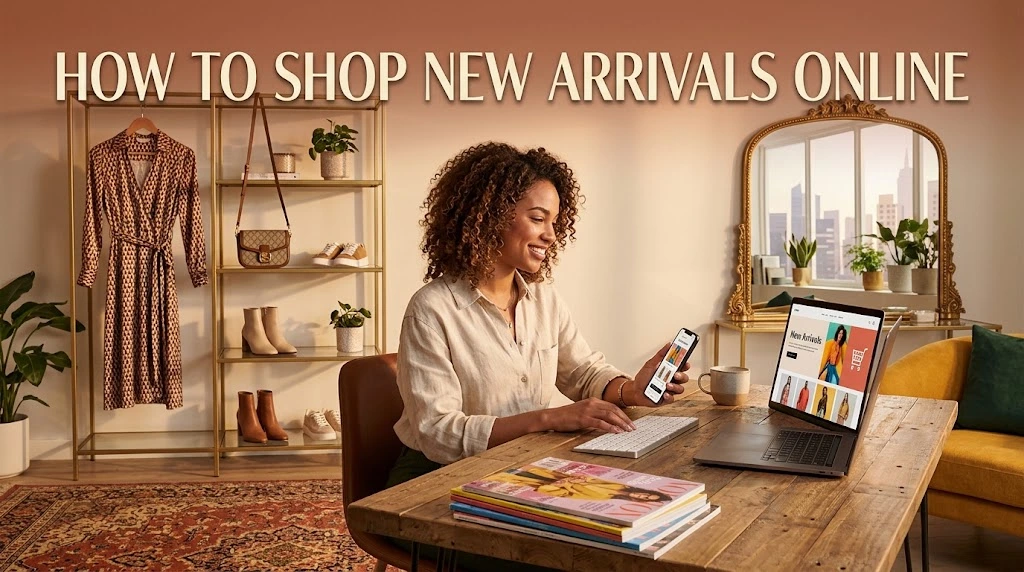
Online shopping makes it easy to discover new products, but it also makes impulse buying easier.
A photograph can make an item look perfect. Once it arrives, however, the fabric, color, fit, and proportions may feel completely different.
Start with the product details. Check:
- Fabric composition
- Available sizes
- Size guide
- Garment measurements
- Care instructions
- Product photographs from different angles
- Return and exchange policy
- Customer reviews when available
Do not rely on the model’s appearance to decide whether an item will suit you. The model’s height, body shape, styling, footwear, and posing can all change how a garment appears.
If the store provides garment measurements, compare them with a piece you already own that fits well. This is often more useful than choosing your usual size automatically.
Another helpful habit is to create a short shopping list before opening a fashion website. If you need a lightweight jacket and two everyday tops, keep those goals in mind.
Otherwise, you may fill your basket with attractive pieces that do not solve any real wardrobe problem.
How to Find the Latest Fashion Arrivals
Finding the latest fashion does not mean buying everything marked “new.”
Fashion changes quickly, and new products appear throughout the year. The challenge is separating genuinely useful updates from temporary excitement.
Look at several categories rather than one isolated product. If you notice similar silhouettes, colors, fabrics, or styling details appearing across different collections, you may be seeing a broader direction in fashion.
However, trends should still fit your personal style.
If you normally wear minimal outfits, you do not need to completely change your wardrobe because a dramatic trend appears. You might borrow one small element instead.
For example, if bold colors become popular, try a colorful handbag or scarf rather than replacing every neutral garment you own.
Expert styling rule: Adapt trends instead of copying them. Your clothes should look like an updated version of your personal style, not a costume built around a trend.
Affordable New Arrivals on a Budget
New fashion does not have to mean expensive shopping.
If you have a limited budget, start by identifying the categories you genuinely need. Spending a small amount repeatedly on unnecessary items can cost more than buying one useful piece.
A practical budget strategy is to divide purchases into three groups:
Need: Items you are missing or replacing.
Useful: Pieces that create several new outfits.
Want: Items that simply catch your eye.
There is nothing wrong with buying something you want. The key is knowing the difference between wanting a piece and needing it.
You can also wait before purchasing. Add an item to your wishlist and return to it later. If you still like it after a few days and can imagine wearing it several times, it may be worth considering.
For affordable fashion, pay special attention to fabric and construction. A low price is not a bargain if the garment loses its shape after a few washes.
Likewise, an inexpensive basic that you wear twice a week can offer more value than a costly statement item worn once.
How to Style New Clothing
Buying a new garment is only the first step. Styling determines whether it becomes a useful part of your wardrobe.
Try the three-outfit test before purchasing something. Imagine at least three different combinations using clothes you already own.
For a new pair of wide-leg trousers, for example, you might create:
- A casual look with a fitted T-shirt and sneakers
- A work outfit with a blouse and blazer
- An evening outfit with a sleek top and heels
If you cannot imagine wearing the item in more than one way, consider whether it deserves the space in your wardrobe.
Accessories can also change the personality of new clothing. A simple dress can feel casual with sneakers and a tote, polished with loafers and a structured bag, or more formal with jewelry and elegant shoes.
Layering is another easy styling tool. A shirt under a sweater, a jacket over a dress, or a cardigan with tailored trousers can make familiar pieces feel completely different.
The goal is not to make every outfit complicated. Often, the best styling looks effortless because the proportions and colors work naturally together.
Building a Wardrobe With New Pieces
A strong wardrobe is not simply a large wardrobe. It is a collection of pieces that work together.
When shopping new arrivals, think about your existing wardrobe as a small personal fashion system.
Start with reliable basics:
- Neutral tops
- Comfortable jeans or trousers
- A versatile jacket
- Everyday footwear
- A simple dress or smart outfit
- Practical outerwear
- Useful bags and accessories
Then add personality through color, texture, prints, interesting silhouettes, or seasonal pieces.
For example, someone who already owns black trousers, blue jeans, white shirts, and neutral sweaters may not need another basic black top. A textured jacket or colorful knit could add more variety.
This approach also makes mornings easier. When most of your wardrobe coordinates naturally, getting dressed becomes faster.
A useful question is: “What will this new item connect with?”
If the answer is “almost nothing,” reconsider the purchase.
If the answer is “my jeans, trousers, skirt, blazer, and two pairs of shoes,” you have found something much more valuable.
New Arrivals for Kids and Families

Children’s fashion changes quickly because children grow quickly. That makes practicality especially important when shopping new arrivals for kids.
Look for comfortable materials, easy closures, washable fabrics, and designs that allow movement.
For everyday children’s clothing, simple pieces often work best. T-shirts, leggings, sweatshirts, jeans, casual dresses, lightweight jackets, and comfortable shoes can handle school, play, and family activities.
Parents should also consider how often a child will realistically wear an item.
A delicate outfit may look adorable but become impractical if it requires special care. A comfortable dress that can handle regular washing may provide much more value.
For younger children, avoid choosing clothing only because it looks fashionable. Check whether buttons, cords, decorations, or other details are appropriate for the child’s age and use.
For older children, shopping can become an opportunity to encourage personal style. Let them choose colors or patterns while keeping comfort and practicality in mind.
Shoes, Bags, and Accessories in New Arrivals
Clothing often gets the most attention, but accessories can have an enormous effect on an outfit.
A new handbag, belt, pair of shoes, sunglasses, or scarf can refresh clothing you already own.
Think about accessories as outfit connectors.
For instance, a neutral outfit can gain personality from a patterned scarf. A casual outfit can look more polished with a structured bag. A simple dress can take on a completely different mood with different footwear.
Shoes deserve special attention because comfort matters as much as appearance.
Before buying fashionable footwear, consider:
- How long you will wear them
- Where you will walk
- Whether the material needs special care
- Whether the sole provides enough support
- Whether they work with your existing clothes
The same principle applies to bags. A beautiful miniature bag may be fun for an evening, but a medium-sized everyday bag could be more useful if you regularly carry essentials.
Accessories are also a smart way to experiment with trends because they usually require less commitment than a full outfit.
Sustainable Ways to Shop New Arrivals
Shopping for new clothing does not have to mean constantly replacing your wardrobe.
A more thoughtful approach is to buy fewer pieces and use them more often.
Before purchasing, ask whether you genuinely need the item. Then consider its expected lifespan, fabric, construction, care requirements, and versatility.
You can also combine new purchases with secondhand clothing. A newly purchased jacket might work beautifully with vintage denim or a pre-owned handbag.
Another sustainable habit is proper garment care. Following washing instructions, avoiding unnecessary heat, repairing small problems, and storing clothing correctly can help garments last longer.
Do not confuse sustainability with perfection. You do not need to rebuild your entire wardrobe overnight.
Instead, make better decisions gradually.
A useful goal is simple: buy intentionally, wear regularly, and care for what you own.
That mindset can reduce unnecessary shopping while helping you build a wardrobe that feels personal.
Common Mistakes When Shopping New Arrivals
The excitement of a new collection can make even experienced shoppers make poor decisions.
One common mistake is buying something solely because it is trending. Trends can be fun, but a trend is not automatically right for your lifestyle.
Another mistake is ignoring fit. A garment can have beautiful fabric and excellent styling but still look uncomfortable if the size or proportions are wrong.
Buying too many similar pieces is another problem. If your wardrobe already contains five nearly identical neutral sweaters, another one may not add much value.
Some shoppers also forget about maintenance. A garment that requires delicate cleaning may become frustrating if you prefer easy-care clothing.
Then there is impulse buying. A countdown timer, limited-stock message, or dramatic sale can create pressure. Take a moment to decide whether you actually want the item.
Watch out for these warning signs:
- You cannot name three ways to wear it.
- You only like it because it is heavily promoted.
- You already own several similar pieces.
- You are unsure about the size.
- You would struggle to care for the fabric.
- You are buying it only because it is discounted.
A good purchase should still make sense after the initial excitement disappears.
Smart Shopping Tips for New Fashion
The smartest fashion shopping is not about knowing every trend. It is about understanding your own wardrobe.
Before shopping, check your closet. Notice what you wear repeatedly and what remains untouched.
Then identify the gaps.
Maybe you have plenty of tops but no lightweight jacket. Perhaps you have formal clothes but very few comfortable weekend outfits. Or you may have plenty of neutral clothing but need one or two pieces that add color.
This simple wardrobe audit can completely change how you shop.
When evaluating new clothing, use this checklist:
- Fit: Does the garment sit correctly and feel comfortable?
- Quality: Does the fabric and construction match the price?
- Versatility: Can you style it several ways?
- Lifestyle: Will you actually wear it?
- Compatibility: Does it work with your current wardrobe?
- Care: Can you maintain it easily?
- Longevity: Will you still enjoy it after the current trend fades?
Also remember that personal style develops over time. You do not need to follow every fashion direction.
Some people feel best in clean, minimal clothing. Others enjoy prints, vintage-inspired pieces, sporty looks, romantic dresses, or bold streetwear.
The best new additions are those that make your existing style feel more complete.
Final Thoughts and FAQs About New Arrivals
New arrivals can make fashion shopping exciting, but the smartest approach is to look beyond the word “new.” A fresh item becomes valuable when it fits well, works with your lifestyle, coordinates with your wardrobe, and gives you more ways to express your personal style.
Instead of asking only, “Is this trending?”, ask better questions: Will I wear it often? Can I style it in different ways? Does it fill a real gap? Is the quality suitable for the price?
That small change in thinking can help you shop with more confidence and less regret.
Whether you are updating your wardrobe for a new season, searching for everyday clothing, refreshing your workwear, or simply looking for something different, choose pieces that feel useful as well as exciting. Fashion should make getting dressed more enjoyable, not more complicated.
1. What does new arrivals mean in fashion?
New arrivals are clothing, shoes, accessories, or other fashion products that a retailer or brand has recently added to its collection. They may include seasonal products, new designs, updated basics, or limited collections.
2. How often should I shop new fashion arrivals?
There is no fixed schedule. Instead, shop when your wardrobe has a genuine need or when a new piece adds useful variety. Checking your existing clothing before shopping can help prevent unnecessary purchases.
3. Are new arrivals always the latest trends?
Not necessarily. A new arrival simply means the retailer recently introduced the product. It may be a current trend, a classic wardrobe basic, a seasonal item, or a redesigned version of an existing style.
4. How can I choose the right new clothing for my wardrobe?
Start with pieces that work with clothes you already own. The three-outfit test is useful: if you can imagine wearing the new item in at least three different outfits, it is more likely to become a practical wardrobe addition.
5. What should I check before buying new arrivals online?
Check the size guide, garment measurements, fabric composition, care instructions, product photographs, reviews when available, and return policy. These details can tell you much more about a garment than a product photograph alone.
6. How can I make new clothes look more stylish?
Focus on fit, proportions, layering, color balance, and accessories. You do not need a complicated outfit. A well-fitting new piece paired with familiar wardrobe staples can often look more polished than an outfit made entirely from new trends.
7. How do I avoid buying too many new clothes?
Create a shopping list, set a budget, check your wardrobe first, and pause before making impulse purchases. Buying fewer versatile pieces that you wear frequently can create a stronger wardrobe than constantly purchasing items simply because they are new.