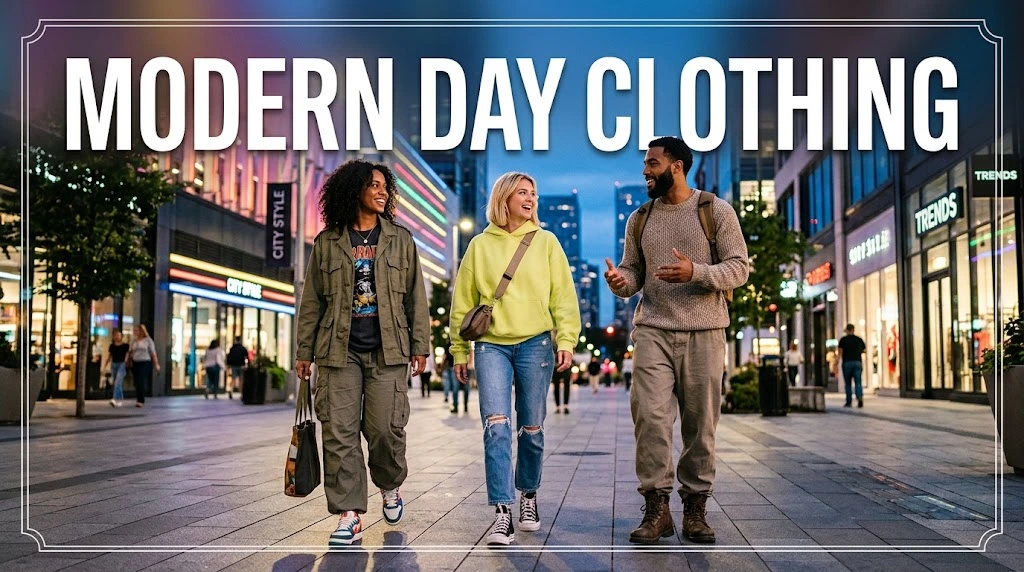
Fashion today feels less like following a strict rulebook and more like figuring out what actually works for your life. We want clothes that look good, but we also want to feel comfortable, move easily, and express a little personality. That shift has changed the way people build wardrobes.
Modern day clothing brings together comfort, personal style, practicality, and current fashion. A relaxed blazer can work with sneakers. A simple T-shirt can look polished with tailored trousers. A classic denim jacket can feel completely fresh when styled with a modern silhouette.
The best part is that you do not need a huge wardrobe to dress well. You need the right pieces, a good understanding of proportions, and a willingness to mix familiar items in new ways. Whether you love minimalist outfits, streetwear, classic fashion, smart casual looks, or feminine styling, today’s clothing gives you plenty of room to experiment.
What Is Modern Day Clothing?
Modern day clothing refers to the styles, garments, fabrics, colors, and ways of dressing that reflect contemporary life. It is not one specific fashion trend. Instead, it describes the broader way people dress today.
One major difference from older approaches to fashion is flexibility. People now move between work, errands, social events, travel, and relaxed weekends without completely changing their personal style.
For example, someone might wear straight-leg trousers, a fitted knit top, loafers, and a structured bag to work. Later, the same trousers could work with a T-shirt and sneakers for dinner.
Modern clothing often combines traditionally separate categories:
- Casual and polished pieces
- Sportswear and everyday fashion
- Vintage and contemporary designs
- Tailoring and relaxed silhouettes
- Basic wardrobe staples and statement pieces
- Comfort-focused fabrics and elevated details
The goal is not to make every outfit look trendy. The goal is to make clothing feel relevant to modern lifestyles.
How Modern Clothing Has Changed
Fashion has always evolved, but modern clothing has changed especially quickly because lifestyles have changed too. Workplaces are often more relaxed, people travel more casually, and digital culture has made fashion inspiration available almost everywhere.
The result is a wardrobe that values versatility.
People increasingly expect one garment to serve several purposes. A good overshirt, for example, can function as a light jacket, a layering piece, or a casual shirt. Wide-leg trousers can look relaxed with sneakers or polished with heels.
Another important change is the decline of rigid fashion rules. Matching every accessory perfectly is no longer necessary. Mixing textures, colors, and influences can actually make an outfit look more personal.
Comfort has also become part of style rather than the opposite of style. Soft tailoring, stretch fabrics, roomy silhouettes, practical shoes, and breathable materials have all become important parts of contemporary dressing.
This does not mean people stopped caring about appearance. Instead, the definition of looking stylish has expanded.
Essential Pieces for a Modern Wardrobe
You do not need hundreds of clothes to create modern outfits. A smaller wardrobe with useful pieces often gives you more styling possibilities.
Start with dependable basics.
A well-fitting T-shirt, versatile trousers, quality jeans, a simple knit, and a lightweight jacket can become the foundation of dozens of outfits.
Useful modern wardrobe staples include:
- Straight-leg or relaxed jeans
- Tailored trousers
- Plain and graphic T-shirts
- Button-down shirts
- Knit tops and sweaters
- Blazers with comfortable construction
- Overshirts
- Midi or maxi skirts
- Simple dresses
- Clean sneakers
- Loafers or ankle boots
- A practical everyday bag
- A lightweight coat or jacket
The key is fit and versatility. A basic white shirt that fits beautifully will usually serve you better than a dramatic piece that works for only one occasion.
When shopping, ask yourself three questions: Can I style this with at least three things I own? Does it fit my daily routine? Would I still wear it next season?
If the answer is yes, it is probably a useful purchase.
Modern Casual Clothing for Everyday Life
Modern casual clothing has moved far beyond old ideas of simply wearing whatever feels comfortable. Today, casual outfits can be relaxed while still looking intentional.
The easiest approach is to combine one relaxed piece with one structured or polished piece.
Try relaxed jeans with a fitted knit and clean sneakers. Another option is an oversized shirt with straight trousers and simple flats.
For warmer weather, linen trousers with a tucked-in cotton shirt can create an effortless outfit. In colder weather, layer a knit sweater over a shirt and add a long coat.
A few practical formulas make everyday dressing easier:
Jeans + fitted top + structured jacket + sneakers
Wide trousers + simple T-shirt + loafers
Midi skirt + knit sweater + ankle boots
Relaxed trousers + button-down shirt + minimal accessories
The secret is not complexity. It is balance.
If your clothes are all oversized, adding one fitted or structured element can give the outfit shape. If everything is fitted, a relaxed outer layer can make the look feel more current.
Modern Workwear and Smart Casual Style

Workwear has become much more flexible, especially in offices where traditional suits are no longer required every day.
Modern workwear focuses on looking polished without feeling overly formal. Tailored trousers, relaxed blazers, knit polos, button-down shirts, midi skirts, and refined shoes can all work well.
A useful starting point is a softly tailored outfit. Choose trousers with a clean shape, add a simple top, and finish with a blazer that allows comfortable movement.
Neutral colors such as black, navy, gray, cream, brown, and beige are easy to combine. You can then introduce personality through a handbag, shoes, jewelry, or one stronger color.
For a less formal workplace, try:
- Straight trousers with a tucked-in knit
- Dark jeans with a blazer
- A midi skirt with a clean T-shirt
- Wide-leg trousers with a button-down shirt
- A simple dress with loafers
One common mistake is confusing oversized clothing with relaxed tailoring. An oversized blazer should still have intentional proportions. If the shoulders are too large and the sleeves swallow your hands, the garment can look accidental rather than modern.
Modern Streetwear and Urban Fashion
Modern streetwear draws inspiration from sportswear, music, youth culture, skate style, workwear, and designer fashion. It often combines comfort with strong visual identity.
Oversized T-shirts, hoodies, cargo trousers, relaxed denim, bomber jackets, sneakers, and caps remain useful building blocks. However, streetwear does not have to mean wearing everything oversized at once.
Try pairing a roomy hoodie with straight-leg trousers instead of equally wide pants. Or wear a cropped jacket with relaxed jeans to create contrast.
Layering is another major part of urban styling. A T-shirt under an open overshirt can create depth without adding much bulk.
For a more refined streetwear outfit, combine:
- Minimal sneakers
- Tailored or straight trousers
- A simple T-shirt
- A structured jacket
- One statement accessory
The strongest streetwear looks usually have a clear point of view. You do not need every trend at once. One distinctive item can carry the outfit.
Modern Minimalist Clothing
Minimalist clothing focuses on clean lines, simple shapes, useful colors, and pieces that work together easily.
This style is ideal if you dislike spending too much time deciding what to wear.
A minimalist wardrobe might revolve around black, white, gray, navy, cream, tan, and muted earth tones. That does not mean every outfit must be boring. Texture and silhouette can create plenty of interest.
For example, a cream knit with wide-leg trousers creates visual depth even without a bright color. A long coat over a simple monochrome outfit can also create a strong silhouette.
Modern minimalism works best when you pay attention to:
- Fabric quality
- Fit
- Proportion
- Texture
- Clean finishing
- Simple accessories
A common mistake is buying too many similar basics. Having five nearly identical black T-shirts does not automatically create a better minimalist wardrobe.
Instead, choose pieces that perform different jobs.
Modern Feminine Clothing Ideas
Modern feminine dressing does not require wearing traditionally delicate clothes from head to toe. Today, feminine style can include tailoring, sneakers, denim, leather-inspired textures, structured bags, and relaxed silhouettes.
A flowing skirt with a fitted T-shirt creates an easy contrast. A simple dress with a blazer can look polished without becoming overly formal. Even a pair of jeans can feel feminine when paired with elegant shoes, delicate jewelry, or a soft blouse.
The most useful styling trick is contrast.
Combine a soft fabric with a structured piece. Pair a romantic blouse with straight denim. Wear a flowing skirt with a boxy jacket.
This approach keeps feminine outfits modern rather than overly predictable.
Accessories can also change the mood quickly. Small earrings and flats create a subtle daytime look, while a stronger necklace and heeled shoes can make the same outfit suitable for an evening event.
Modern Men’s Clothing and Everyday Style
Modern men’s clothing has also become more relaxed and versatile. Traditional tailoring still matters, but it now sits alongside knitwear, relaxed trousers, sneakers, overshirts, denim, and casual jackets.
A modern men’s wardrobe benefits from a strong balance between structure and ease.
For example, tailored trousers can be worn with a plain T-shirt and sneakers. A casual overshirt can replace a traditional blazer for a relaxed social setting.
Useful pieces include:
- Straight or relaxed jeans
- Chinos
- Tailored trousers
- Oxford or casual button-down shirts
- Plain T-shirts
- Knit polos
- Overshirts
- Lightweight jackets
- Simple sneakers
- Loafers
- Clean, understated accessories
Fit remains more important than chasing trends. Clothes should allow movement while keeping a deliberate shape.
A shirt that is slightly relaxed can look contemporary. A shirt that is several sizes too large may simply look poorly fitted.
Modern Clothing for Different Seasons
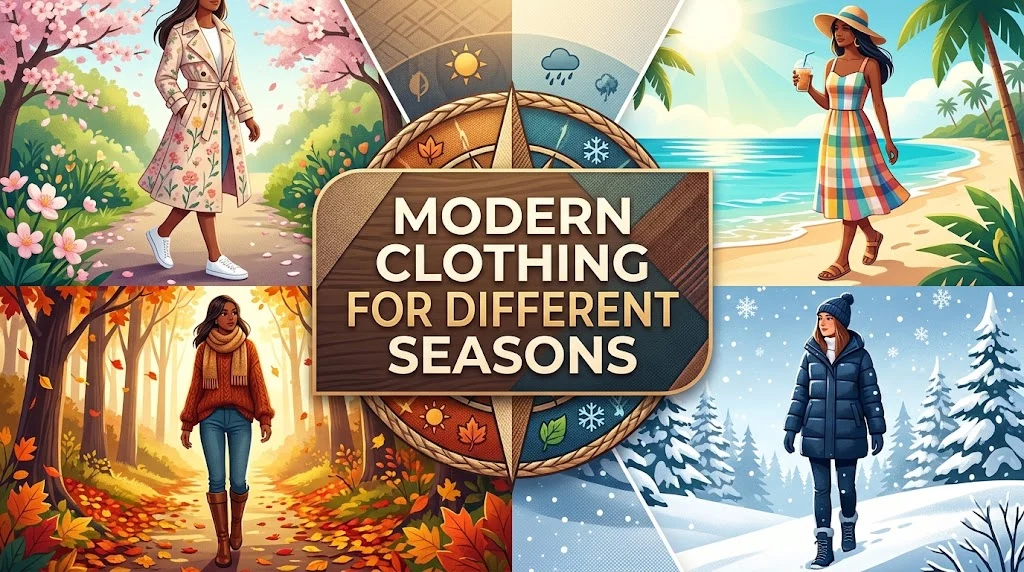
Modern dressing changes with the weather, but the basic principle stays the same: build outfits through useful layers.
In spring, lightweight jackets, cotton shirts, knit tops, denim, and transitional trousers are especially practical.
Summer calls for breathable fabrics and easier silhouettes. Cotton, linen, lightweight blends, and relaxed shapes can help clothing feel comfortable in heat.
Autumn is ideal for layering. Think sweaters, overshirts, lightweight coats, denim jackets, and boots.
Winter requires more attention to warmth without losing shape. A good coat, knitwear, scarves, boots, and thermal base layers can create practical outfits without excessive bulk.
Seasonal dressing does not mean replacing your wardrobe every few months. Layering allows the same core pieces to work across multiple seasons.
For example, a simple shirt can work alone in mild weather, under a sweater in autumn, or beneath a coat during winter.
Modern Clothing Colors and Trends
Color trends change regularly, but you do not need to rebuild your wardrobe every time a new shade becomes popular.
A smarter strategy is to maintain a base of colors you already enjoy and introduce seasonal shades through smaller items.
If your wardrobe is mostly black, cream, denim, and brown, you could experiment with a trending color through a sweater, handbag, scarf, or pair of shoes.
Color combinations that often work well include:
- Navy and cream
- Brown and blue
- Black and white
- Olive and beige
- Gray and burgundy
- Denim and warm neutrals
- Cream and soft pastels
The best color is not necessarily the color that is currently popular. It is the color that works with your existing wardrobe and makes you feel comfortable wearing it.
Before buying a trend color, check whether it works with at least three outfits you already own.
Modern Clothing Fabrics and Materials
Fabric can make a major difference in how clothing looks and feels. Two shirts with the same cut can look completely different because of their materials.
Cotton remains useful because it is comfortable and versatile. Linen is popular for warm weather because of its breathable feel and relaxed appearance. Wool and wool blends are useful for colder seasons and structured outerwear.
Modern wardrobes also include many regenerated, recycled, and synthetic fibers. These materials can offer useful properties such as stretch, durability, moisture management, or easy care, depending on the garment.
However, fabric labels deserve attention. Terms such as “natural,” “recycled,” or “premium” do not automatically tell you everything about a garment’s quality or environmental impact.
Look at the complete product information, including fiber content, construction, care instructions, and expected durability.
A garment you can wear frequently and maintain properly can be more useful than a supposedly perfect fabric that you rarely wear.
How to Style Modern Clothing Without Looking Overdone
The easiest way to look modern is not to add more trends. It is to create balance.
If you choose a statement jacket, keep the rest of the outfit relatively simple. If your shoes are dramatic, let them become the focal point instead of adding several competing accessories.
Proportion is especially important.
Try these combinations:
- Oversized top + straight or slim trousers
- Cropped jacket + high-rise wide-leg trousers
- Relaxed shirt + structured skirt
- Fitted top + relaxed jeans
- Long coat + simple streamlined outfit
You can also use the one-statement-piece rule. Choose one item that gets attention, then allow the rest of the outfit to support it.
For example, a patterned coat can work beautifully over a simple black outfit. A bold pair of shoes can transform jeans and a plain shirt.
This approach makes outfits easier to wear and prevents them from feeling like a collection of unrelated trends.
Common Modern Clothing Mistakes to Avoid
Even fashionable people can make styling mistakes. Most problems come from fit, proportion, or buying clothes without considering real life.
One common mistake is buying something because it looks impressive online. A garment may look excellent in a styled photograph but feel uncomfortable or difficult to combine with your existing wardrobe.
Another problem is following every trend simultaneously. Trends are most effective when you use them selectively.
Avoid these habits:
- Buying clothes without checking the fit
- Choosing trends over personal comfort
- Wearing too many statement pieces at once
- Ignoring fabric care requirements
- Building outfits around one occasion only
- Buying duplicate basics unnecessarily
- Forgetting footwear when planning an outfit
- Keeping clothes that no longer fit your lifestyle
There is also no reason to force yourself into a style simply because it is popular.
whether you prefer classic clothing, modernize it through updated proportions. If you love streetwear, refine it with better layering. If you prefer feminine clothing, combine softer pieces with contemporary tailoring.
Good style should feel like you, not a costume.
How to Build a Modern Capsule Wardrobe
A capsule wardrobe is a smaller collection of clothes designed to work together. It can be especially useful if you want less clutter and easier daily dressing.
Start by identifying your most common activities. Your wardrobe should reflect your actual life, not an imaginary lifestyle.
For many people, a useful capsule might include:
- 2–3 pairs of everyday trousers or jeans
- 3–5 versatile tops
- 1–2 knit layers
- 1 blazer or structured jacket
- 1 casual jacket
- 1 dress or elevated outfit
- 2–3 pairs of everyday shoes
- 1 versatile bag
- Seasonal outerwear
The exact number does not matter.
What matters is whether the pieces connect. If one pair of trousers works with four tops and two pairs of shoes, it earns its place.
Before buying anything new, create at least three outfits mentally or physically. This simple habit reduces impulse purchases and helps you build a wardrobe that actually works.
How to Make Modern Clothing More Sustainable
Modern fashion also raises important questions about waste, overproduction, garment quality, and consumption.
The most practical approach is to buy less often and use what you already own more effectively.
Start with clothing care. Follow washing instructions, avoid unnecessary high heat, repair small problems early, and store garments appropriately.
You can also extend a wardrobe by:
- Rewearing pieces in different combinations
- Buying durable secondhand clothing
- Repairing damaged garments
- Choosing versatile designs
- Avoiding impulse purchases
- Donating or reselling wearable items responsibly
- Learning basic clothing care
Sustainability is not about creating a perfectly ethical wardrobe overnight. It is about making better decisions consistently.
A simple T-shirt worn many times may provide more practical value than a closet full of rarely worn trend pieces.
How to Choose Modern Clothing That Fits Your Lifestyle
The best modern wardrobe starts with your routine.
Think about where you spend most of your time. Someone who walks frequently needs different footwear and fabrics from someone who works mostly at a desk. Someone living in a hot climate may prioritize breathable layers, while someone in a colder region needs insulation and weather-resistant outerwear.
Your wardrobe should solve real problems.
Before purchasing a garment, consider:
- Where will I wear it?
- How often will I realistically wear it?
- Does it work with my current shoes?
- Can I create several outfits with it?
- Is it comfortable when I move?
- Can I care for the fabric properly?
- Does it suit my personal style?
This is where modern fashion becomes genuinely useful. Clothing should support your life rather than create extra work.
The Future of Modern Day Clothing
Modern day clothing will likely continue moving toward greater flexibility, personalization, and practical design.
Technology is already influencing how people shop, discover trends, and understand garments. At the same time, shoppers are becoming more interested in durability, responsible production, secondhand fashion, and clothing that offers genuine long-term value.
But trends will never completely replace personal style.
The strongest wardrobes are usually built around a simple idea: buy what you will wear, style what you own creatively, and choose trends that genuinely fit you.
Modern fashion gives people more freedom than ever to combine different influences. You can wear vintage denim with contemporary tailoring, athletic shoes with a dress, or classic trousers with a graphic T-shirt.
That freedom is what makes contemporary clothing exciting.
Conclusion
Modern day clothing is not about owning the newest pieces or copying every look seen online. It is about creating a wardrobe that feels current while still making sense for your real life.
The most successful outfits usually combine good fit, thoughtful proportions, comfort, and personal character. Start with versatile basics, add a few pieces that reflect your personality, and use accessories and layering to keep familiar clothes fresh.
Do not be afraid to repeat outfits. Repeating a great combination is a sign that your wardrobe works.
And remember, modern style does not have to be complicated. Sometimes the most effective outfit is simply a great pair of trousers, a comfortable top, clean shoes, and one detail that feels unmistakably yours.
FAQs About Modern Day Clothing
1. What is modern day clothing?
Modern day clothing refers to contemporary garments and styling that reflect today’s lifestyles, preferences, and fashion culture. It commonly combines comfort, versatility, modern silhouettes, casual influences, and polished details.
2. What are the most important modern wardrobe essentials?
Useful essentials include well-fitting jeans, versatile trousers, plain T-shirts, shirts, knitwear, a blazer or jacket, comfortable sneakers, refined shoes, and practical outerwear. Your ideal list should depend on your lifestyle.
3. How can I make basic clothes look more modern?
Focus on proportion, layering, and accessories. Try pairing a simple T-shirt with tailored trousers, adding an oversized shirt as a layer, or updating jeans with modern footwear and a structured bag.
4. Is modern clothing supposed to be oversized?
Not necessarily. Relaxed and oversized silhouettes are popular in contemporary fashion, but modern dressing also includes fitted, straight, cropped, and tailored shapes. The important thing is intentional proportion.
5. What colors work best for a modern wardrobe?
Neutrals such as black, white, cream, navy, gray, brown, and beige are easy foundations. You can add personality with seasonal colors or shades that complement your existing wardrobe.
6. How can I dress modern without following every fashion trend?
Build your wardrobe around timeless pieces and introduce trends selectively. Choose one current detail at a time, such as a new silhouette, shoe style, color, or accessory, rather than changing your entire wardrobe.
7. How do I build a modern wardrobe on a budget?
Start with versatile pieces you will wear often. Shop secondhand when practical, prioritize fit and fabric quality, avoid impulse purchases, and choose garments that work with several items you already own.