Fashion has a funny way of making us question our closets. One day, an outfit feels fresh and exciting. A few months later, the same look can suddenly seem dated. But that does not mean you need a new wardrobe every time the trend cycle changes.
That is where trendiness becomes interesting.
Trendiness is not simply about wearing whatever is popular right now. It is about understanding what makes a style feel current and knowing how to bring that feeling into your own wardrobe without losing your personality. A trendy outfit can be bold and experimental, or it can be as simple as pairing classic jeans with a modern jacket.
The best-dressed people often understand this balance. They do not copy every runway look or chase every viral outfit. Instead, they choose a few current details that work naturally with what they already own.
Whether you love streetwear, minimalist fashion, feminine outfits, vintage clothing, or polished everyday looks, understanding trendiness can help you dress with more confidence. More importantly, it can help you decide which trends deserve your attention and which ones you can happily skip.
What Does Trendiness Mean in Fashion?
Trendiness describes how current, fashionable, or connected to the latest style movement something feels. In clothing, it can refer to an individual item, an outfit, a brand, a styling technique, or even an entire aesthetic.
For example, wide-leg trousers may feel trendy during a period when relaxed silhouettes dominate fashion. A classic white shirt, however, may not be considered a trend item, but it can still look highly fashionable when styled with current pieces.
This distinction matters.
Fashion changes constantly, while personal style develops over time. Trendiness sits somewhere between the two. It reflects the present without requiring you to abandon everything that worked for you yesterday.
Several things can influence how trendy an outfit appears:
- Silhouette: The shape and proportion of clothing can quickly change an outfit’s mood.
- Color: Certain colors become popular because of seasonal collections, cultural influences, or social media.
- Fabric: Denim, leather, linen, suede, knitwear, and technical fabrics can move in and out of popularity.
- Styling: Even basic pieces can look modern when worn in a fresh way.
- Accessories: Shoes, bags, jewelry, sunglasses, and belts can strongly influence an outfit.
- Cultural influence: Music, movies, celebrities, designers, and street style can shape fashion preferences.
In other words, trendiness is not one fixed quality. It is a combination of details that makes a look feel connected to its current fashion moment.
Why Does Trendiness Matter to Personal Style?
Trendiness matters because clothing communicates more than practicality. What you wear can show your mood, creativity, confidence, lifestyle, and even how you want others to perceive you.
That does not mean everyone needs to dress according to the latest fashion cycle. In fact, trying too hard to appear trendy can sometimes make an outfit look less natural.
A better approach is to use trendiness as a styling tool.
Imagine that your everyday wardrobe includes straight-leg jeans, neutral tops, sneakers, and a structured coat. You do not need to replace those pieces to look current. You might simply introduce a modern bag, updated sunglasses, a fresh shoe shape, or a new way of layering.
That small adjustment can change the entire outfit.
There is also a practical benefit. Understanding trends can make shopping easier because you learn to recognize which details actually matter. Instead of buying five pieces because they appear repeatedly online, you can identify one or two elements that genuinely suit you.
Personal style becomes stronger when trends support it rather than control it.
How Trendiness Changes Over Time
Fashion trendiness is temporary by nature. A style can feel incredibly modern one year and surprisingly old-fashioned a few years later.
Think about how quickly fashion moves through cycles. Skinny jeans became dominant, then relaxed and wide silhouettes gained attention. Minimalist styling had its moment, while maximalist outfits later returned to the conversation.
Yet fashion rarely works in a straight line.
Old styles often return with small changes. Designers and stylists may revisit a past decade but adjust the proportions, fabrics, colors, or styling so the result feels new.
This is why fashion cycles are important when understanding trendiness.
A piece from your closet may suddenly become useful again without ever needing to be completely redesigned. Vintage-inspired jackets, retro sneakers, classic denim, and older handbag shapes can all return to popularity.
The key difference is styling.
Wearing an older item exactly as it was originally worn can create a costume-like effect. Combining that item with contemporary pieces usually makes it feel more intentional.
For example, a vintage blazer can look modern with relaxed trousers, a simple fitted top, and current footwear.
The lesson is simple: old does not automatically mean outdated.
What Makes an Outfit Look Trendy?
An outfit usually looks trendy when several current elements work together without overwhelming one another.
You do not need a head-to-toe fashion statement. Sometimes one strong detail is enough.
Consider a basic outfit of jeans and a plain T-shirt. By itself, it may look timeless. Add an interesting belt, modern footwear, a structured shoulder bag, or a current jacket, and the same foundation can suddenly feel much more contemporary.
Proportion also plays a major role.
A fitted top with relaxed trousers creates a different visual effect from an oversized shirt paired with slim pants. Neither combination is automatically better. What matters is whether the proportions feel intentional.
Styling details can also increase an outfit’s sense of freshness:
- Layering different lengths
- Mixing casual and polished pieces
- Using unexpected accessories
- Combining neutral colors with one stronger shade
- Playing with texture
- Choosing contemporary footwear
- Updating the way classic pieces are tucked, rolled, belted, or layered
One of my favorite styling principles is to change the relationship between pieces rather than constantly buying new ones.
That approach creates more outfits while keeping your wardrobe practical.
Trendiness vs. Timeless Fashion
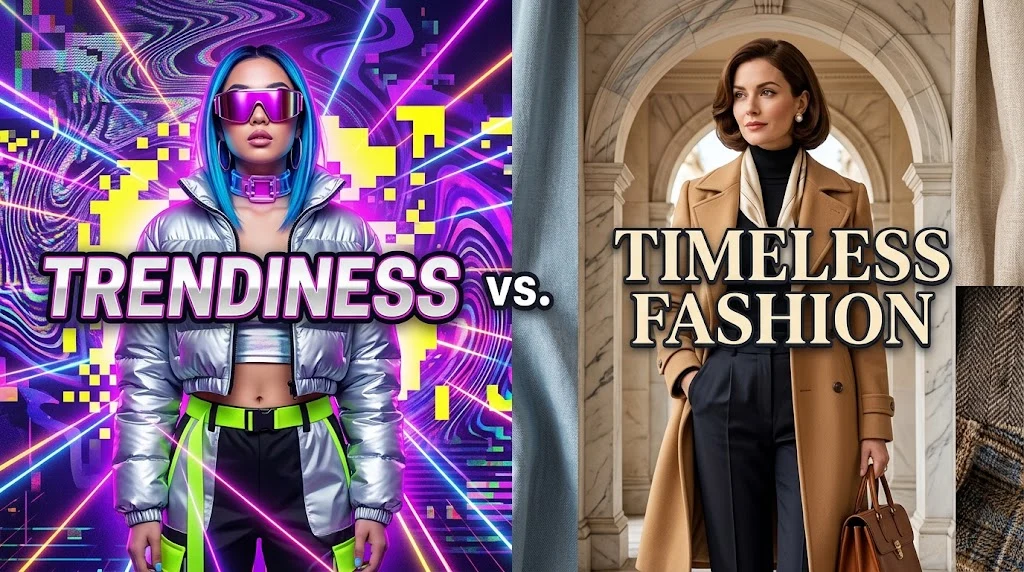
Trendiness and timeless fashion are not enemies. In a well-balanced wardrobe, they actually work together.
Timeless pieces provide stability. Trend-driven pieces provide freshness.
A classic trench coat, straight jeans, simple knitwear, loafers, white sneakers, and a clean button-down shirt can form the foundation of many outfits. Trend-focused pieces can then add personality.
This approach is especially useful if you do not want to spend heavily on fashion every season.
A useful wardrobe formula is:
70% versatile essentials + 20% modern updates + 10% experimental pieces
The numbers do not need to be exact. The idea is simply to keep most of your wardrobe wearable while leaving room for creativity.
Timeless fashion also tends to make shopping decisions easier. When you already have reliable basics, you can ask a more useful question before buying something trendy:
“Will this work with at least three things I already own?”
If the answer is no, think twice.
A trend becomes much more valuable when it fits naturally into your existing wardrobe.
How Social Media Influences Trendiness
Social media has dramatically changed how fashion trends spread.
In the past, trends often moved from designers and fashion magazines to stores and consumers. Today, a styling idea can travel across the world within hours through short videos, photos, influencers, creators, and online communities.
This has made fashion more accessible, but it has also made trend cycles feel much faster.
You may see the same bag, shoe, color, or outfit formula dozens of times in a single week. Repetition can create the impression that something is essential when it may simply be highly visible.
This is sometimes called the trend saturation effect.
Before buying something because you keep seeing it online, pause for a moment.
Ask yourself:
- Would I like this if I had not seen it online?
- Does it suit my normal lifestyle?
- Can I style it in several ways?
- Will I still enjoy wearing it after the excitement fades?
- Does it fit my existing wardrobe?
These questions help separate genuine personal interest from social pressure.
Social media can be an excellent source of inspiration. Just remember that inspiration and imitation are not the same thing.
How to Add Trendiness Without Changing Your Whole Wardrobe
You can make an existing wardrobe feel more current without starting from scratch.
The easiest method is to update one category at a time.
Start with accessories. A modern bag, belt, sunglasses, or pair of shoes can refresh familiar clothes immediately.
Next, experiment with styling. Try wearing a shirt open over a fitted top, layering a sweater over your shoulders, changing your trouser length, or combining pieces in proportions you have not tried before.
You can also use color.
If your wardrobe is mostly black, white, beige, navy, or denim, introducing one seasonal color can make familiar outfits feel different.
Texture is another simple option. Pairing smooth cotton with knitwear, denim with suede, or structured fabric with something soft can add visual interest.
Most importantly, do not update everything at once.
If you replace your shoes, bag, coat, jeans, tops, and accessories simultaneously, you may end up with a wardrobe that looks trendy but does not feel like you.
Small changes usually create a more believable personal style.
Trendiness in Women’s Fashion
Women’s fashion offers countless ways to explore trendiness without sacrificing comfort or individuality.
A woman who prefers feminine outfits might update her wardrobe through modern skirts, refined knitwear, statement earrings, or updated footwear. Someone who prefers relaxed clothing could experiment with oversized tailoring, wide-leg trousers, casual denim, or sporty layers.
The important thing is to match trends with your lifestyle.
For example, a person who spends most of the day walking may appreciate fashionable sneakers more than delicate statement shoes. Someone working in a formal office may find more value in updated tailoring than in highly casual streetwear.
Body shape can also influence styling choices, but it should never become a strict set of rules.
Instead of asking, “What trend is supposed to suit my body?” ask:
“What proportion makes me feel comfortable and confident?”
That question gives you much more freedom.
Try a trend in a small way first. If you like the silhouette, build on it. If you do not, move on.
Fashion should support confidence rather than create anxiety.
Trendiness in Men’s Fashion
Men’s fashion has become much more flexible in recent years, making trendiness easier to explore.
Modern menswear often mixes traditionally formal pieces with casual clothing. A tailored jacket might be worn with relaxed trousers and sneakers. A simple knit polo can replace a dress shirt. Loose denim can work with a clean coat and leather shoes.
This mixing of categories creates a contemporary appearance without requiring dramatic clothing.
Accessories can also make a major difference. Watches, bags, belts, sunglasses, caps, and footwear can change the character of a simple outfit.
For men who prefer understated clothing, focus on:
- Better proportions
- Quality-looking fabrics
- Clean footwear
- Layering
- Interesting textures
- One modern accessory
There is no need to wear several obvious trends at once.
In fact, restraint often makes fashionable menswear look more sophisticated.
A simple outfit with excellent fit and one current detail can appear more intentional than an outfit packed with every popular trend.
How to Choose Trendy Clothes That Actually Suit You
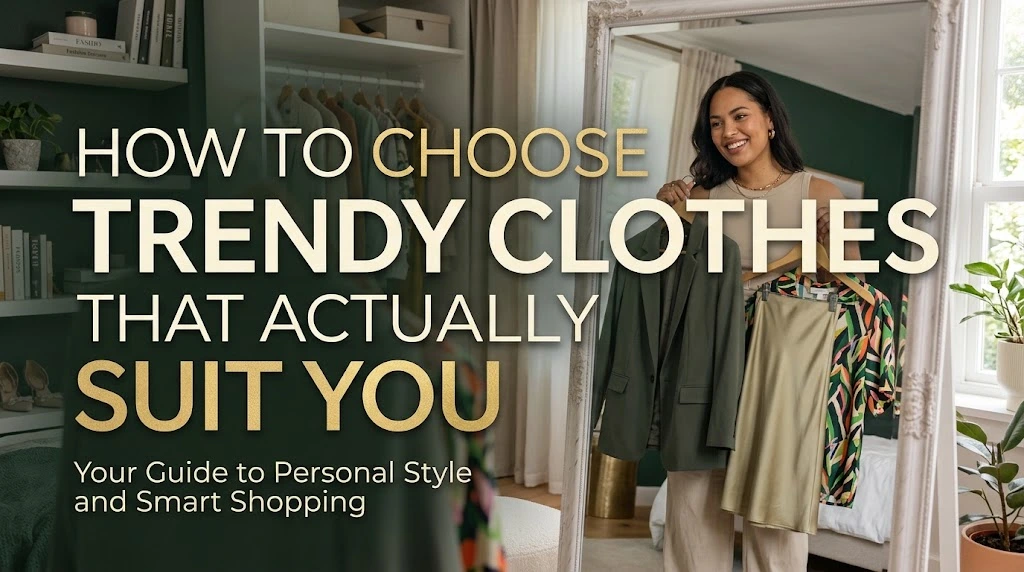
A trend can look amazing on someone else and still be wrong for your lifestyle.
That is normal.
The smartest way to shop for trendy clothes is to evaluate them through four filters: fit, function, compatibility, and confidence.
First, consider fit. Does the garment sit comfortably and create a proportion you like?
Second, consider function. Can you realistically wear it to the places you normally go?
Third, consider compatibility. Does it work with several items already in your closet?
Finally, consider confidence. Do you actually feel good wearing it?
That last question matters more than people sometimes admit.
A fashionable item that makes you constantly adjust your clothing, worry about how you look, or avoid leaving the house is not a successful purchase.
Try clothing in real-life situations before deciding whether it belongs in your wardrobe.
If a jacket looks fantastic in a fitting room but feels awkward when you sit, walk, or layer underneath it, the styling potential may not matter.
Good fashion decisions are practical decisions.
Common Mistakes That Reduce Trendiness
Ironically, trying too hard to look trendy can make an outfit appear less fashionable.
One common mistake is wearing too many trends at once. When every part of an outfit demands attention, the overall look can lose direction.
Another mistake is ignoring fit.
A very fashionable garment can still look disappointing if the shoulders, waist, sleeves, or trouser length do not work properly.
Buying trends without considering your wardrobe is another problem. An item may be popular, but if you have nothing to wear with it, it may spend most of its life hanging in your closet.
Avoid these mistakes:
- Copying an entire influencer outfit without adapting it
- Buying something only because it is viral
- Ignoring comfort
- Choosing trends that do not suit your lifestyle
- Wearing several statement pieces together
- Forgetting accessories and footwear
- Assuming expensive automatically means fashionable
- Replacing quality basics unnecessarily
Another mistake is believing that trendiness requires youth.
It does not.
Style has no expiration date. The best approach is to interpret current fashion through your own age, lifestyle, personality, and comfort level.
How to Build a Trendy Wardrobe on a Budget
You do not need a large fashion budget to create a modern wardrobe.
Start by identifying what you already wear most. Those pieces deserve your attention because they are the foundation of your actual lifestyle.
Then create a short list of gaps.
Perhaps you need better everyday shoes. Maybe your jackets feel dated, or your wardrobe lacks versatile trousers. Fix the biggest gap first.
Shopping secondhand can also be useful. Thrift stores, vintage shops, resale platforms, and clothing swaps can provide interesting pieces without requiring a large investment.
However, affordable shopping still requires discipline.
A low price does not make something a good purchase.
Before buying, ask:
“Would I buy this at full price if it were not discounted?”
If the answer is no, you may simply be reacting to the sale.
Another useful strategy is to invest selectively. Spend more on pieces you use constantly, such as a coat, everyday shoes, or a reliable bag. Save money on experimental items that you may only wear occasionally.
This creates a wardrobe that feels current without becoming expensive or wasteful.
How Trendiness Connects With Sustainable Fashion
Trendiness and sustainability can seem contradictory, but they do not have to be.
The problem begins when fashion encourages constant replacement. If every new trend makes you feel that your existing clothes are useless, consumption can quickly become excessive.
A more sustainable approach is to treat trends as styling inspiration rather than shopping instructions.
You can make old clothes feel fresh by changing proportions, layering pieces differently, adding accessories, or combining them with one modern item.
Quality also matters.
Clothing that survives many wears gives you more opportunities to develop your personal style. Buying fewer, more useful pieces can reduce unnecessary wardrobe turnover.
When shopping, consider:
- How often you will wear the item
- Whether you can style it in several ways
- Whether the fabric feels durable
- Whether you already own something similar
- Whether you can repair or alter it
- Whether you genuinely like it beyond the current trend
Sustainability does not require giving up fashion.
It simply encourages you to become more selective about what enters your wardrobe.
How to Develop Your Own Version of Trendiness
The most valuable fashion skill is not predicting every trend. It is learning how to translate trends into your own language.
Start by identifying three words that describe your preferred style.
They might be minimal, relaxed, polished. Or perhaps romantic, colorful, playful. Maybe you prefer sporty, oversized, urban.
Once you know your style direction, trends become easier to evaluate.
If a new trend fits your three words, explore it. If it clashes with everything you enjoy wearing, you can skip it without feeling that you are missing something.
Create a personal inspiration folder as well. Save outfits you would genuinely wear rather than images that simply look impressive.
After collecting several images, look for patterns.
Maybe you repeatedly save outfits with wide trousers. Perhaps you prefer monochrome clothing, layered jackets, simple jewelry, or vintage accessories.
Those patterns reveal your real preferences.
That is when trendiness becomes personal.
You stop asking, “What is everyone wearing?” and start asking, “How can I make current fashion work for me?”
What Will Make Trendiness Feel More Natural?
Natural-looking style rarely comes from copying a complete outfit.
It comes from making choices that appear intentional.
If you wear a dramatic trend, balance it with something familiar. If your clothing is simple, let the accessories provide interest. If your outfit is oversized, consider using one fitted element to create structure.
Think about contrast.
A polished blazer with casual denim can feel more interesting than a fully formal outfit. A feminine skirt with sneakers can create a relaxed mood. A classic shirt under a modern jacket can make an old favorite feel fresh.
The goal is not perfection.
Some of the most memorable outfits contain a little tension. They combine pieces that are not an obvious match but somehow work together.
You can also use the one-new-thing rule.
When trying a trend for the first time, add only one unfamiliar element to an outfit you already know works. This lets you understand how the trend feels before building an entire look around it.
Over time, you will develop an instinct for what works.
That instinct is far more valuable than memorizing every seasonal trend report.
How to Stay Trendy Without Chasing Every Trend
The easiest way to stay fashionable long term is to become selective.
You do not need to know every viral item. You need to recognize the larger ideas influencing fashion: changing silhouettes, evolving color preferences, new ways of layering, shifting footwear shapes, and changing attitudes toward formal and casual clothing.
Pay attention to what keeps appearing across different sources rather than reacting to one viral post.
A trend with staying power usually appears in several places and can be adapted in multiple ways.
Then test it.
Wear the trend with clothes you already love. See how it feels during an ordinary day. Notice whether you keep reaching for it or whether it becomes an item you avoid.
Your own behavior is useful fashion feedback.
And remember that confidence is part of trendiness. If you understand why you chose an item and know how to style it, you are much less likely to feel like you are wearing a costume.
The strongest wardrobes do not constantly chase the future.
They evolve.
Conclusion: Making Trendiness Work for You
Trendiness is not about proving that you know every new fashion movement. It is about understanding what feels current and deciding which parts deserve a place in your own style.
The smartest approach combines modern details with personal identity.
Use accessories to refresh familiar outfits. Experiment with proportion. Try new colors and textures. Mix timeless pieces with contemporary clothing. Shop thoughtfully, and never assume that a viral item automatically belongs in your wardrobe.
Most importantly, do not let trends tell you that your favorite clothes have suddenly become worthless.
Fashion should give you options, not pressure.
When you understand trendiness, you gain the freedom to participate in fashion without becoming controlled by it. You can borrow ideas from the moment, adapt them to your lifestyle, and create outfits that feel both current and genuinely yours.
That is the difference between simply following fashion and developing real personal style.
FAQs About Trendiness
1. What is trendiness in fashion?
Trendiness in fashion describes how current, fashionable, or connected to contemporary style an outfit or item appears. It can come from silhouettes, colors, fabrics, accessories, styling methods, or cultural influences.
2. How can I look trendy without buying new clothes?
Start by changing how you style what you already own. Experiment with layering, proportions, accessories, footwear, color combinations, and different ways of wearing familiar pieces. A single updated accessory can sometimes refresh an entire outfit.
3. Is trendiness the same as being fashionable?
Not exactly. Trendiness focuses more on what feels current, while being fashionable can also involve personal style, fit, quality, confidence, and good styling. A timeless outfit can look highly fashionable without following a major trend.
4. How do I know if a fashion trend suits me?
Consider whether the trend fits your lifestyle, existing wardrobe, preferred colors, comfort level, and personal style. Try a small version of the trend first instead of immediately buying several pieces.
5. Can you be trendy with a small wardrobe?
Absolutely. A small wardrobe can look very current when you choose versatile pieces and style them creatively. Focus on strong basics, useful accessories, modern proportions, and a few carefully selected trend pieces.
6. How can I follow trends without wasting money?
Avoid buying something simply because it is popular. Look for pieces that work with several items you already own and that you expect to wear repeatedly. Buying fewer, more versatile pieces usually provides better long-term value.
7. Why do fashion trends keep coming back?
Fashion moves in cycles. Designers, consumers, celebrities, subcultures, and vintage influences often bring older ideas back into the spotlight. When a past trend returns, its proportions, materials, or styling are often changed so it feels relevant to a new generation.