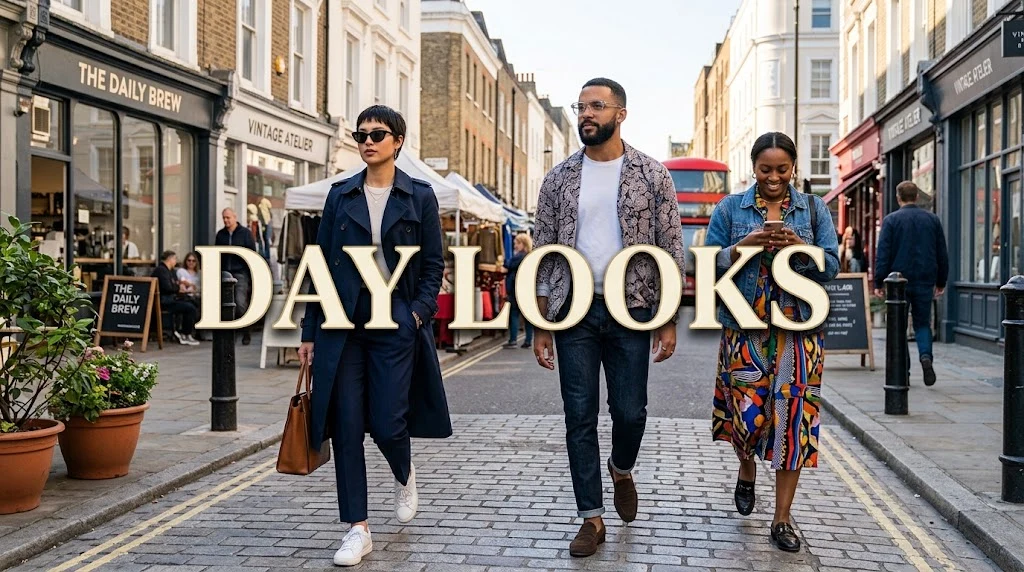
Getting dressed for the day should feel easy, not like a daily fashion exam. The best day looks are the outfits that help you feel comfortable, confident, and ready for whatever is on your schedule. Maybe you are heading to work, meeting a friend for coffee, running errands, or spending a relaxed afternoon outdoors. Each situation calls for a slightly different approach, but you do not need a huge wardrobe to make it work.
The secret is learning how to combine simple pieces in a way that looks intentional. A well-fitted pair of jeans, a clean shirt, a lightweight jacket, or a simple dress can become the foundation for several outfits. From there, shoes, accessories, colors, and layers change the mood.
This guide breaks down practical day looks for women and men, casual daytime outfits, smart-casual combinations, seasonal ideas, work-friendly styling, and easy ways to make everyday clothes look more polished.
What Are Day Looks?
Day looks are outfits designed for daytime activities and everyday settings. They can range from relaxed casual clothing to polished office outfits, depending on where you are going.
Unlike evening outfits, daytime clothing usually focuses on comfort, practicality, and effortless style. That does not mean it has to look plain. A simple outfit can feel stylish when the proportions, colors, textures, and accessories work together.
For example, straight-leg jeans with a tucked-in cotton shirt and clean sneakers create an easy casual look. Replace the sneakers with loafers and add a structured handbag, and the same basic idea becomes more suitable for a smart-casual setting.
The most useful approach is to dress for your actual day rather than copying an outfit simply because it looks good in a photograph.
Casual Day Looks for Everyday Wear
Casual daytime outfits work best when they give you freedom to move while still looking put together. These are the clothes you can wear for shopping, lunch, casual meetings, university, travel, or a relaxed weekend.
Start with reliable wardrobe basics such as:
- Straight-leg or relaxed jeans
- Cotton T-shirts
- Button-down shirts
- Lightweight knitwear
- Casual trousers
- Simple midi skirts
- Clean sneakers
- Ballet flats or loafers
- Denim or lightweight jackets
A useful styling trick is to combine one relaxed item with one more structured piece. For example, wear loose jeans with a fitted knit top, or pair wide-leg trousers with a neat tucked-in shirt.
Avoid making every part of the outfit oversized. If your trousers have a generous fit, a more defined top can create balance.
Simple Day Looks for Women
Women’s daytime outfits do not need complicated styling to look fashionable. A strong everyday wardrobe often comes down to a few pieces that work together in different combinations.
Try a white or neutral T-shirt with blue jeans and loafers for an easy classic outfit. For warmer weather, switch the jeans for tailored shorts or a flowing midi skirt.
A casual shirt dress is another useful option. Add flat sandals during summer or ankle boots during cooler weather. A belt can define the waist if you want more shape.
For a more polished everyday look, combine tailored trousers with a fine-knit top and a structured bag. This works particularly well when you want something comfortable but slightly more refined than jeans.
The key is fit rather than quantity. Five well-fitting basics can create more useful outfits than a wardrobe full of pieces that do not work together.
Easy Day Looks for Men
Men’s daytime styling can stay simple while still looking intentional. The easiest formula is to build an outfit around clean basics and pay attention to fit.
A dependable combination is straight or tapered chinos, a plain T-shirt, and clean sneakers. Add an overshirt when the weather is cooler.
For a smarter daytime outfit, try tailored trousers with a polo shirt or Oxford-style button-down. Loafers, minimalist sneakers, or casual leather shoes can finish the outfit depending on the setting.
For weekends, relaxed jeans with a lightweight shirt create a practical balance between comfort and style.
One common mistake is wearing clothes that are either extremely tight or excessively loose without considering proportion. A relaxed shirt can look great with straight trousers, but pairing very oversized pieces together may make the outfit lose its shape.
Smart Casual Day Looks

Smart casual sits between relaxed everyday clothing and formal dressing. It is useful for casual offices, lunches, daytime events, travel, and occasions where jeans and a T-shirt feel too informal.
For women, try tailored trousers with a simple blouse, fine-knit sweater, or polished shirt. Loafers, ballet flats, low heels, or sleek sneakers can work depending on the environment.
For men, chinos or tailored trousers can be paired with a polo, Oxford shirt, fine-gauge knit, or unstructured blazer.
Color also makes a difference. Neutral shades such as navy, cream, white, beige, gray, olive, and brown are easy to combine and tend to create a polished appearance.
You do not need to make every piece formal. One structured item can elevate an otherwise casual outfit.
Day Looks for Work and the Office
Office outfits depend heavily on your workplace dress code. A creative workplace may allow denim and sneakers, while a traditional professional environment may require tailored clothing.
A useful office wardrobe can include:
- Tailored trousers
- Straight-leg trousers
- Midi skirts
- Button-down shirts
- Simple blouses
- Fine-knit sweaters
- Blazers
- Loafers
- Low heels
- Structured bags
Try using a simple three-piece formula: a base layer, a structured layer, and practical shoes. For example, tailored trousers, a knit top, and a blazer create a polished outfit without looking overly formal.
Keep comfort in mind too. If you commute, walk between meetings, or spend hours at a desk, uncomfortable shoes can quickly ruin an otherwise excellent outfit.
Summer Day Looks
Warm weather calls for breathable fabrics and lighter layers. Cotton, linen, lightweight denim, and other breathable materials can help make daytime dressing more comfortable.
A linen shirt with relaxed trousers is an easy summer combination. A simple cotton dress with flat sandals creates another effortless option.
For casual outings, try:
- Wide-leg trousers with a fitted tank
- Denim shorts with a loose button-down
- Midi dresses with flat sandals
- Cotton skirts with simple T-shirts
- Lightweight trousers with sleeveless tops
Light colors can create a fresh summer appearance, but you do not have to wear white or pastels. Navy, chocolate brown, olive, black, and denim can work beautifully in warm-weather outfits too.
The biggest summer styling mistake is choosing appearance over practicality. If the fabric feels heavy, traps heat, or wrinkles badly for your plans, it probably is not the right choice for that particular day.
Winter Day Looks
Winter outfits offer more opportunities for layering and texture. Instead of relying on one heavy item, build the outfit gradually.
Start with a comfortable base layer, then add knitwear and an outer layer. For example, a fitted long-sleeve top, straight jeans, a wool-blend sweater, and a long coat can create a warm everyday outfit.
Other useful combinations include:
- Turtleneck + tailored trousers + long coat
- Knit sweater + jeans + ankle boots
- Midi skirt + tights + sweater + coat
- Straight trousers + shirt + cardigan
- Jeans + knit top + puffer jacket
Winter accessories can also become part of the outfit. A scarf, leather gloves, beanie, or structured tote adds texture without requiring another complicated clothing layer.
Pay attention to proportions. If your coat is oversized, slimmer or straighter trousers can help create visual balance.
Day Looks for Spring
Spring is ideal for transitional dressing because temperatures can change quickly. Lightweight layers make it easier to adjust throughout the day.
A simple spring outfit might include straight jeans, a cotton shirt, ballet flats, and a lightweight jacket. When the afternoon becomes warmer, remove the jacket and the outfit still works.
Cardigans, denim jackets, trench coats, lightweight knitwear, and overshirts are particularly useful during this season.
Spring is also a good time to introduce color gradually. You could keep most of the outfit neutral and add one brighter element through a shirt, handbag, scarf, or shoes.
Instead of buying a completely new wardrobe every season, refresh familiar basics with one or two current pieces.
Day Looks for Autumn
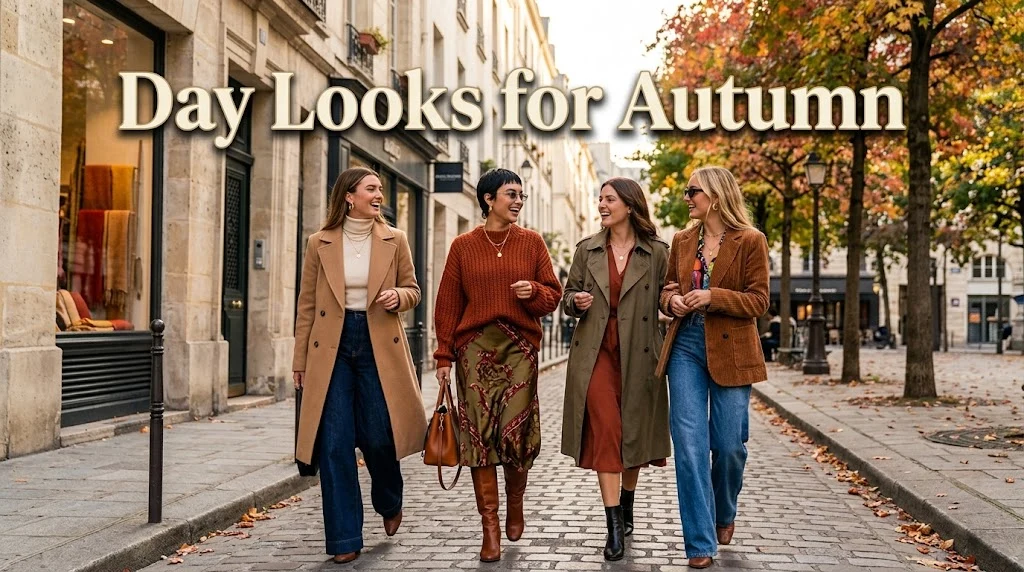
Autumn styling works beautifully with layers, earthy colors, and richer textures. It is also one of the easiest seasons for creating interesting outfits without making them complicated.
Try straight jeans with a fitted knit top, loafers, and a lightweight trench coat. For a softer look, wear a midi skirt with a sweater and ankle boots.
Useful autumn colors include:
- Brown
- Burgundy
- Olive
- Camel
- Navy
- Cream
- Charcoal
- Rust
You do not have to wear all of these colors together. Choose one dominant neutral and add one supporting shade.
Texture can make a simple outfit feel more sophisticated. Denim, suede, cotton, wool, leather, and knitwear can create contrast even when the colors remain simple.
Day Looks for Brunch and Coffee Dates
Brunch outfits sit in a sweet spot between casual and polished. You want to look intentional without appearing overdressed.
A relaxed midi dress with flats is an easy choice. Another option is straight-leg jeans with a pretty blouse and loafers.
For cooler weather, try wide-leg trousers with a fitted sweater and a short jacket. Add a small shoulder bag and simple jewelry.
Think about the location before choosing your outfit. A fashionable city café, outdoor brunch spot, hotel restaurant, and casual neighborhood café can all have different atmospheres.
A good rule is to choose one noticeable detail rather than adding several statement pieces. It could be an interesting bag, colorful shoes, earrings, or a patterned top.
Day Looks for Travel and Weekend Outings
Travel outfits need to handle movement, changing temperatures, and long periods of sitting. Comfort should be part of the styling plan from the beginning.
A practical travel combination might include relaxed trousers, a soft T-shirt, a lightweight overshirt, and supportive sneakers. The layers allow you to adjust to different temperatures without carrying too many pieces.
For a weekend outing, jeans and a knit top remain reliable. Add a jacket that works with the rest of your wardrobe so you can reuse it throughout the trip.
Avoid wearing new shoes for a full day of walking. Even beautiful shoes can become a problem when they have not been broken in.
Another useful trick is to build travel outfits around a small color palette. If your main pieces share similar neutral tones, you can mix and match them easily.
Day Looks for Different Body Proportions
Good styling is not about following strict rules for body shape. It is about understanding proportion and choosing clothes that create the visual effect you personally like.
If you prefer more definition around the waist, try a tucked-in shirt, a belt, or a cropped jacket with higher-rise trousers.
If you like a longer, streamlined silhouette, try a monochromatic outfit. Wearing similar shades from top to bottom can create visual continuity.
If you enjoy oversized clothing, balance it with another piece that has more structure. For example, pair wide trousers with a fitted tank, or wear an oversized shirt over a straighter pair of jeans.
Most importantly, comfort changes how clothing looks. When you feel restricted or constantly adjust your clothes, even an expensive outfit can look less natural.
How to Build Day Looks From Wardrobe Basics
You can create a surprisingly large number of outfits from a small collection of dependable pieces.
Start with a simple capsule wardrobe:
- One pair of blue jeans
- One pair of black or neutral trousers
- Two or three T-shirts
- One button-down shirt
- One lightweight sweater
- One cardigan
- One casual jacket
- One polished coat
- One pair of sneakers
- One pair of loafers or flats
- One versatile dress
Now create different combinations instead of wearing each item the same way.
For example, blue jeans can work with a T-shirt for a casual day, a button-down for a polished daytime outfit, or a sweater and coat for cooler weather.
Accessories create another layer of variety. Changing your shoes and bag can make the same clothing combination feel noticeably different.
How to Choose Colors for Daytime Outfits
Color can completely change the mood of an outfit. Neutral colors provide an easy foundation, while stronger shades can add personality.
If you prefer simple styling, start with two neutral colors and one accent color. Cream trousers, a navy top, and burgundy shoes are easier to coordinate than an outfit containing five competing colors.
Monochromatic dressing is another simple technique. Wearing different shades of the same color creates a cohesive appearance without requiring complicated coordination.
When choosing colors, consider your surroundings as well. A bright outfit might suit a casual outdoor event, while muted tones may feel more appropriate for a conservative workplace.
There is no universal “correct” daytime color palette. The goal is to create combinations that fit your personal style and the occasion.
Common Day Look Mistakes to Avoid
Even simple outfits can become difficult when too many styling choices compete with each other.
One common mistake is wearing clothes that do not fit properly. A basic outfit with good fit usually looks more polished than a trendy outfit that pulls, bunches, or hangs awkwardly.
Another mistake is ignoring the weather. A beautiful layered outfit can become uncomfortable if temperatures rise unexpectedly.
Also avoid adding accessories simply because an outfit feels “too plain.” Sometimes the solution is better proportions or a more interesting texture rather than more jewelry.
Watch out for these problems:
- Wearing uncomfortable shoes for long days
- Choosing fabrics unsuitable for the weather
- Mixing too many competing statement pieces
- Ignoring the dress code
- Buying trends that do not work with your existing wardrobe
- Wearing every item oversized at once
- Forgetting practical details such as bags and outerwear
The best daytime outfit should work in real life, not only in a mirror.
How to Make Day Looks Look More Stylish
You do not need designer clothing to make an everyday outfit look polished. Small styling decisions often have a bigger effect.
First, pay attention to proportion. A tucked shirt, rolled sleeves, defined waist, or cropped jacket can change the shape of an outfit.
Second, keep shoes clean and appropriate for the clothing. Footwear often determines whether an outfit feels sporty, casual, polished, or dressy.
Third, add texture. A cotton T-shirt with denim is simple, but adding a leather belt, knit cardigan, suede shoe, or structured bag gives the outfit more visual interest.
Finally, make sure your clothes are cared for. Clean shoes, fresh-looking fabrics, properly stored knitwear, and wrinkle-free shirts can make affordable clothing look significantly more refined.
Great everyday style usually comes from attention to small details, not from wearing more things.
Frequently Asked Questions About Day Looks
1. What are good day looks for everyday wear?
Good everyday outfits combine comfort, practicality, and personal style. Jeans with a T-shirt and sneakers, tailored trousers with a knit top, or a casual dress with flats are versatile starting points.
2. How can I make a casual day look more stylish?
Improve the proportions first. Then add one polished element, such as loafers, a structured bag, a belt, a blazer, or simple jewelry. You do not need several statement pieces.
3. What should I wear for a daytime casual event?
Choose an outfit that matches the setting. A midi dress, smart jeans with a blouse, tailored trousers with a knit top, or a skirt with a clean T-shirt can work well for many daytime occasions.
4. What colors work best for daytime outfits?
Neutral shades such as white, cream, navy, gray, black, beige, brown, and olive are easy to style. You can add personality with one brighter or deeper accent color.
5. How do I dress casually without looking sloppy?
Focus on fit, clean footwear, intentional layering, and simple coordination. Even relaxed clothing looks polished when the pieces fit well and work together.
6. What shoes are best for day looks?
Sneakers, loafers, ballet flats, sandals, ankle boots, and low heels can all work. The best choice depends on the weather, activity, dress code, and amount of walking you expect to do.
7. How can I create more outfits without buying more clothes?
Build outfits around versatile basics and change the styling rather than the entire wardrobe. Switching shoes, jackets, accessories, layering pieces, and color combinations can create many different looks from the same core items.
Conclusion
The best day looks are not necessarily the most complicated ones. They are outfits that fit your schedule, feel comfortable, suit the weather, and still make you feel like yourself.
Start with dependable wardrobe basics, then experiment with proportion, color, texture, layers, and accessories. A simple pair of jeans can become casual, polished, or smart depending on what you wear with it.
Most importantly, do not treat everyday style as a race to follow every trend. Build a wardrobe that supports your real life. When your clothes fit well and each piece has a purpose, getting dressed becomes easier—and your personal style becomes much more natural.