Fashion has a special way of making something familiar feel exciting again. A new collection can turn a simple wardrobe refresh into a chance to discover different colors, fresh silhouettes, better fabrics, and pieces that genuinely fit your lifestyle. Whether you are browsing a clothing brand online, visiting a store, or simply looking for ideas before your next shopping trip, understanding how a new collection comes together can make choosing clothes much easier.
A good collection is not just a group of new garments placed on a website. It usually reflects a wider fashion direction, from changing colors and proportions to shifting ideas about comfort, occasion dressing, and personal style. The smartest way to shop is not to buy everything that looks new. Instead, look for pieces that add something useful to what you already own.
This guide explains what to look for in a new collection, how to recognize wearable trends, how to style new arrivals, and how to shop with more confidence.
What Is a New Collection in Fashion?
In fashion, a new collection is a group of garments and accessories released together by a brand or designer. The pieces often share a visual idea, color story, fabric direction, or seasonal purpose.
A collection might include everyday clothing such as T-shirts, shirts, jeans, trousers, skirts, and dresses. It can also include outerwear, knitwear, shoes, bags, jewelry, and other accessories.
For example, a brand launching a spring collection may introduce lightweight shirts, relaxed trousers, cotton dresses, soft knitwear, and brighter colors. A colder-season collection may focus more on coats, sweaters, boots, layering pieces, and heavier fabrics.
The important point is that a collection usually has a clear design relationship between its pieces. That relationship helps shoppers build outfits rather than simply buying individual garments.
New Collection vs. New Arrivals: What Is the Difference?
The terms “new collection” and “new arrivals” often appear together, but they do not always mean exactly the same thing.
A new collection normally refers to a coordinated release built around a particular season, concept, or design direction. New arrivals can be broader and may simply mean products that have recently been added to a store.
Think of it this way:
- New collection: A connected group of pieces with a shared fashion direction.
- New arrivals: Recently added products, which may come from different product categories.
- Seasonal collection: Clothing designed around a particular season.
- Capsule collection: A smaller, focused group of carefully selected pieces.
- Limited collection: A release produced or available for a restricted period or quantity.
- Designer collection: A collection shaped by a specific designer or fashion house.
This distinction matters when shopping online. A “new arrivals” page can contain many unrelated items, while a collection page may give you a better idea of how the brand currently wants its clothes to be worn.
How to Choose Pieces From a New Collection
Seeing dozens of new clothes can be tempting, especially when everything is photographed beautifully. But attractive styling does not automatically mean a garment will work in your everyday wardrobe.
Start with your actual lifestyle.
If you spend most days in casual clothes, a collection full of dramatic evening pieces may not offer much practical value. If you regularly attend dinners, celebrations, or professional events, however, one polished dress or tailored outfit may become a useful wardrobe addition.
Before buying, ask yourself:
- Can I wear this in more than one situation?
- Does it work with clothes I already own?
- Is the fabric suitable for my climate?
- Does the shape feel comfortable?
- Can I imagine wearing it several times?
- Does the color suit my existing wardrobe?
- Am I buying it because I love it or simply because it is new?
That last question is surprisingly useful. Newness creates excitement, but usefulness creates a wardrobe.
New Collection Trends Worth Watching
Every collection has its own personality, but certain fashion directions often appear across multiple brands.
Relaxed tailoring is one example. Structured blazers, wide-leg trousers, and softer suiting can create a polished look without feeling overly formal.
Another important direction is the continued focus on versatile basics. Simple shirts, clean trousers, understated knitwear, denim, and easy dresses can serve as the foundation for more trend-focused pieces.
You may also notice changes in:
- Clothing proportions
- Sleeve shapes
- Necklines
- Denim silhouettes
- Fabric textures
- Neutral and statement colors
- Layering techniques
- Minimalist accessories
- Sport-inspired details
- Feminine and romantic styling
Rather than chasing every trend, identify the ones that naturally fit your personal style.
How to Build Outfits From a New Collection
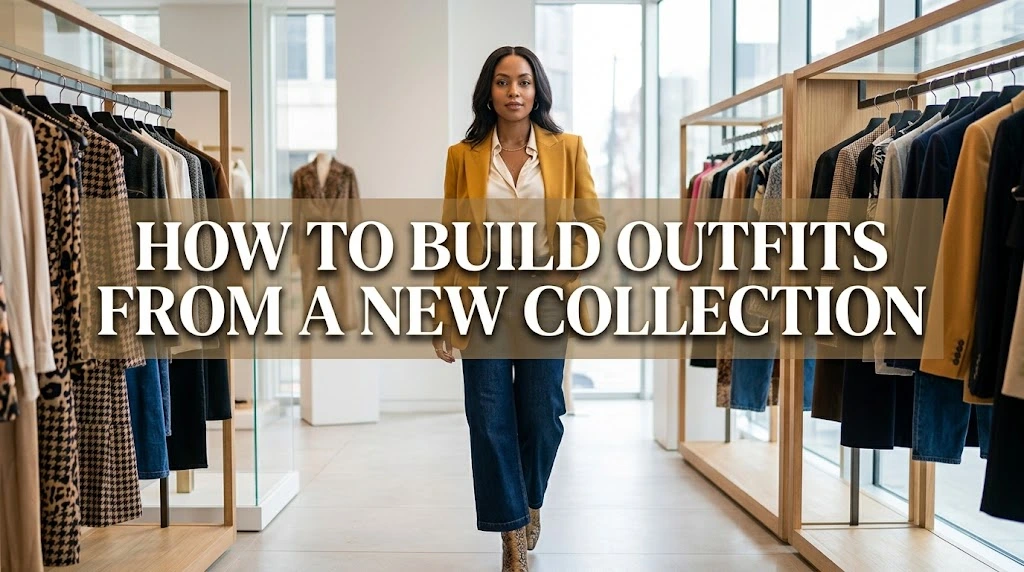
A collection becomes much more useful when you can combine its pieces in different ways.
Suppose you buy a relaxed white shirt. You could wear it with straight-leg jeans for a casual afternoon, tailored trousers for work, or a flowing skirt for dinner.
A simple styling formula is:
one statement piece + two simple pieces + one finishing accessory.
For example, pair a printed skirt with a plain fitted top and simple shoes, then add a structured bag. This lets the statement garment remain the focus without making the outfit feel busy.
You can also use layering to create more outfits from fewer pieces. A lightweight jacket over a dress can change the entire mood, while a sweater worn over a collared shirt can make a basic outfit feel more intentional.
Choosing Colors in a New Clothing Collection
Color can make a collection feel completely different from the previous season.
When choosing colors, do not think only about what looks attractive on a product page. Think about what will work with your existing clothes.
Neutral shades such as black, white, cream, beige, navy, gray, and brown are generally easy to combine. Stronger colors can bring personality to an otherwise simple wardrobe.
A useful approach is the 60-30-10 idea:
- Around 60% of the outfit can use a main neutral or dominant color.
- Around 30% can introduce a secondary shade.
- Around 10% can provide an accent through a bag, shoes, jewelry, or another accessory.
You do not have to follow these numbers strictly. The idea is simply to create visual balance.
How Fabric Changes the Look of a New Collection
Two garments can have almost identical designs but look completely different because of their fabrics.
Cotton often works well for breathable everyday clothing. Linen has a naturally relaxed appearance and suits warm-weather dressing. Wool and heavier knits can provide warmth and structure in colder weather.
Fabric also changes how a garment moves.
A fluid fabric may create a soft, elegant silhouette, while a structured material can make the same basic shape appear sharper. Before buying online, check the fabric composition and care instructions rather than relying only on photographs.
Styling tip: If your outfit contains a lot of volume, adding contrasting texture can help define the look. For example, a chunky knit can work beautifully with a smoother skirt or structured trousers.
New Collection Ideas for Everyday Wear
The most successful wardrobe updates often come from pieces you can wear repeatedly.
For casual days, consider combinations such as:
- Straight-leg jeans with a relaxed shirt
- Wide trousers with a fitted top
- A simple dress with sneakers
- A lightweight jacket over a basic T-shirt
- A knit top with a midi skirt
For a slightly more polished look, change only one element. Swap sneakers for loafers, add a structured handbag, or replace a casual jacket with a blazer.
This approach is practical because you do not need an entirely new wardrobe to look refreshed. Small changes can create a noticeably different outfit.
New Collection Ideas for Work and Smart Dressing
Workwear collections have become more flexible, with many wardrobes combining traditional tailoring and comfortable pieces.
A blazer can instantly make jeans look more polished. Tailored trousers can work with both a blouse and a simple knit top. A midi dress can move from the office to dinner with a change of accessories.
When choosing professional clothing, pay attention to fit first.
A simple garment that fits your shoulders, waist, and length correctly often looks more refined than a complicated design with poor proportions.
For a versatile work wardrobe, consider:
- One well-cut blazer
- Two or three versatile trousers
- A crisp shirt
- A comfortable knit
- A simple midi dress
- Practical flats or loafers
- One structured bag
These pieces can create many combinations without requiring constant shopping.
New Collection Dresses: What Should You Look For?
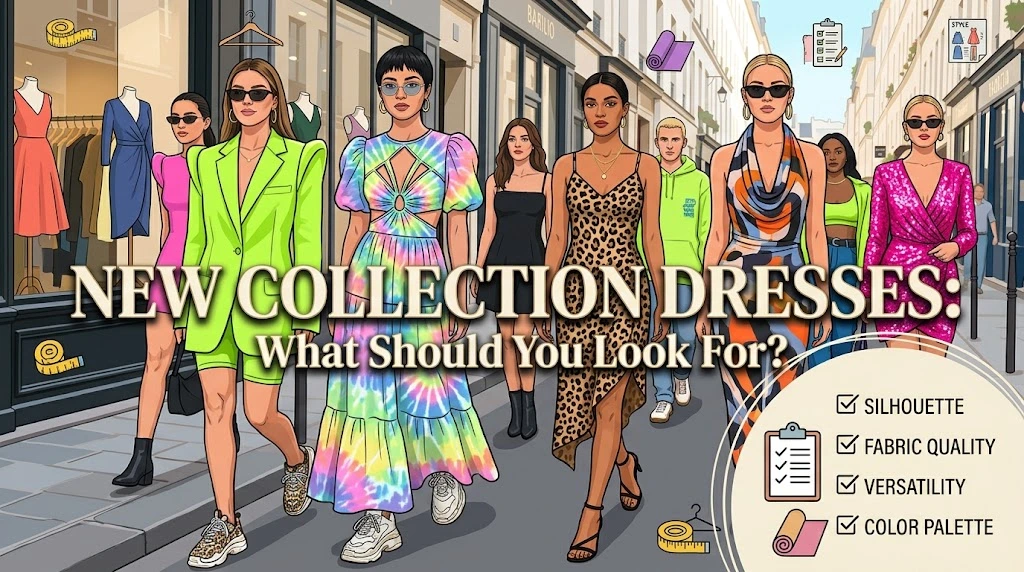
Dresses can be some of the easiest pieces to style because they create an outfit with one main garment.
When choosing a new dress, consider where you will actually wear it.
A relaxed cotton dress may work for daytime, travel, or casual lunches. A tailored midi dress can suit professional settings. A more detailed dress may be appropriate for parties, dinners, or special occasions.
Pay attention to the neckline, sleeve length, waist placement, skirt shape, and fabric.
If you want maximum versatility, choose a dress that can change with accessories. A simple dress can look casual with sneakers and a crossbody bag, then become more polished with heels, jewelry, and a structured handbag.
New Collection Street Style and Casual Fashion
Street style often influences commercial collections because it shows how people actually combine clothes outside traditional runway settings.
One of the most useful lessons from street style is that contrast can make an outfit interesting.
Try pairing:
- Tailored trousers with a relaxed T-shirt
- A feminine skirt with sneakers
- Oversized outerwear with slimmer bottoms
- A classic shirt with contemporary denim
- A simple dress with a sporty jacket
The goal is not to copy another person’s outfit exactly. Instead, notice how proportions, textures, and styling details work together.
Personal style develops when you take an idea and adapt it to your own wardrobe.
How to Shop a New Collection Without Overspending
A new release can create a strong sense of urgency. Brands often highlight limited availability, seasonal timing, or highly styled photographs.
Before purchasing, make a short list of what your wardrobe actually needs.
For example:
- Replace a worn-out everyday shirt.
- Add one versatile jacket.
- Find a dress for upcoming events.
- Add a pair of shoes that works with existing outfits.
Then compare each new item against that list.
Another useful method is the three-outfit test. Before buying, think of at least three complete outfits you could create using the item and clothes you already own.
If you cannot think of three realistic combinations, pause before purchasing.
Common Mistakes When Buying New Fashion
Shopping mistakes often happen because people focus on the excitement of a new piece rather than its long-term usefulness.
One common mistake is buying clothing that does not match your lifestyle. Another is choosing a trend simply because it looks impressive in photographs.
Other mistakes include:
- Ignoring fabric care requirements
- Buying the wrong size because the item is on sale
- Purchasing too many similar colors
- Forgetting to check transparency or lining
- Choosing uncomfortable shoes because they look good
- Buying pieces without considering existing clothes
- Treating every trend as a wardrobe essential
There is nothing wrong with experimenting. The key is to experiment intentionally.
How to Make a New Collection Feel Personal
Personal style is not about wearing the newest pieces exactly as a brand presents them.
Take a new garment and change its styling.
A blazer can be worn traditionally with trousers, casually with denim, or layered over a dress. A scarf can become a neck accessory, hair accessory, or bag detail. A simple shirt can be tucked in, worn open over a tank, or styled under knitwear.
Your accessories also make a major difference.
Shoes, jewelry, bags, belts, sunglasses, and even the way you roll your sleeves can change the personality of an outfit.
The best wardrobe is not the one that looks most like a store display. It is the one that looks like you.
How to Check the Quality of a New Collection
Good styling cannot compensate for poor construction, so inspect clothing carefully before buying.
Look at the seams first. They should generally appear neat and secure, without obvious loose threads or uneven stitching.
Check buttons, zippers, hems, lining, and closures. If shopping online, zoom into product photographs when possible.
Also consider fabric weight and transparency. A lightweight white garment, for example, may require lining or careful underwear choices.
For online purchases, always check the size guide instead of assuming your usual size will fit every brand in the same way. Measurements are more useful than labels.
How to Create a Capsule Wardrobe From a New Collection
A capsule wardrobe focuses on a smaller number of pieces that work well together.
You can use a new collection to update a capsule without replacing everything.
Start with versatile foundations:
- A neutral top
- A polished shirt
- Well-fitting trousers
- Everyday denim
- A versatile dress
- A lightweight layer
- A structured outer layer
- Comfortable everyday shoes
Then add one or two personality pieces.
Perhaps that means a bold jacket, printed skirt, unusual handbag, or colorful knit. The foundation handles everyday dressing, while the statement pieces prevent the wardrobe from feeling boring.
This approach can also reduce decision fatigue because more of your clothes naturally work together.
How to Know If a New Collection Piece Is Worth Buying
The real test of a new garment happens after the excitement disappears.
Imagine wearing the item three months from now. Does it still feel useful? Can you style it in different ways? Is it comfortable enough to wear for several hours?
Consider the cost per wear as well.
A more expensive jacket that you wear 50 times may provide more practical value than a cheaper item that stays in your closet.
You should also consider maintenance. A garment that requires complicated cleaning may become inconvenient if your lifestyle is busy.
Before buying, ask yourself:
“Would I still want this if it were not part of a new collection?”
If the answer is yes, you may have found a piece that genuinely suits you.
Conclusion: Making the Most of a New Collection
A new collection can be inspiring, but you do not need to buy everything new to refresh your style. The smartest approach is to look beyond the excitement of a launch and focus on pieces that fit your lifestyle, body, wardrobe, climate, and personal taste.
Look for useful silhouettes, wearable colors, quality fabrics, and garments that can create several outfits. Mix new pieces with clothes you already own, experiment with accessories, and give trends your own interpretation.
Fashion should make getting dressed more enjoyable, not more complicated. When you choose thoughtfully, even one or two pieces from a new collection can make your existing wardrobe feel fresh again.
FAQs About New Collection
1. What does new collection mean in fashion?
A new collection is a group of recently designed clothing or accessories released by a fashion brand or designer. The pieces usually share a seasonal, visual, or design theme.
2. What is the difference between a new collection and new arrivals?
A new collection usually represents a coordinated group of products, while new arrivals simply refer to products that have recently been added to a store. A new-arrivals section can include pieces from several different styles or releases.
3. How do I choose the best pieces from a new collection?
Start with your lifestyle and existing wardrobe. Choose pieces that fit comfortably, work with clothing you already own, and can be worn in several realistic situations.
4. What should I check before buying clothes from a new collection?
Check the fabric, measurements, construction, care instructions, fit, and return policy. For online shopping, use the brand’s size chart instead of relying only on your usual clothing size.
5. How can I style new collection pieces with old clothes?
Use the new garment as either the statement piece or the updated basic. Pair it with familiar jeans, trousers, skirts, jackets, or accessories to create combinations that feel fresh without requiring a completely new wardrobe.
6. Are new collection clothes always based on current trends?
Not necessarily. Many collections include trend-focused pieces alongside classic garments and wardrobe basics. A collection can contain both seasonal fashion ideas and timeless designs.
7. How can I avoid buying too many clothes from a new collection?
Make a shopping list before browsing and use the three-outfit test. If you cannot create at least three practical outfits with a new item using clothes you already own, consider waiting before purchasing it.