
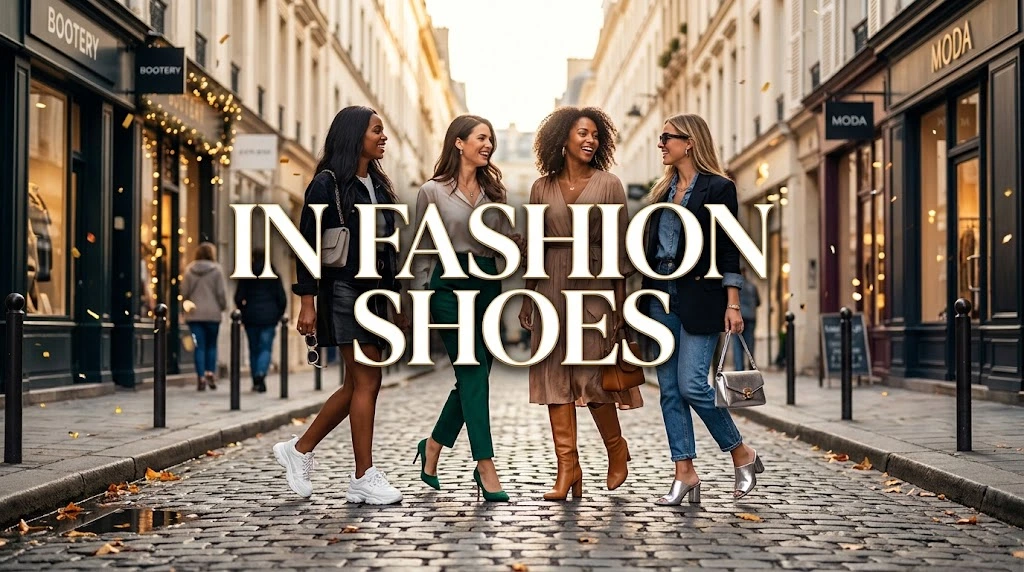
Shoes can completely change the way an outfit feels. You can wear a simple pair of jeans and a plain shirt, then add the right shoes and suddenly the whole look feels polished, modern, and intentional. That is why knowing what is in fashion shoes matters more than simply buying whatever pair happens to be popular.
Fashion shoes are not only about trends. They are about finding the balance between style, comfort, quality, and your own personality. A beautiful pair that hurts after ten minutes will probably spend more time in your closet than on your feet. On the other hand, a comfortable pair with the right shape and color can become something you wear again and again.
Today, shoe fashion is more flexible than ever. Sneakers can work with tailored trousers, loafers can look elegant with denim, boots can add personality to a simple dress, and flats can feel just as stylish as heels. The best choices depend on your lifestyle, the season, your wardrobe, and the image you want to create.
This guide explores the most important shoe styles, current fashion directions, styling ideas, buying advice, common mistakes, and practical ways to make fashionable shoes work in real life.
What Does “In Fashion Shoes” Really Mean?
When people search for in fashion shoes, they usually want to know which shoe styles are currently considered stylish and how to wear them. The answer changes with seasons, designers, street style, social media, and everyday consumer preferences.
However, being fashionable does not mean following every short-lived trend. A shoe can be trendy one month and difficult to wear the next. The smarter approach is to understand which details make a shoe feel current.
These details can include:
- The shape of the toe
- Heel height
- Sole thickness
- Material
- Color
- Hardware
- Overall proportions
- Styling with modern clothing
For example, a classic leather loafer can remain fashionable for years because its basic shape works across many outfits. A highly unusual shoe with an extreme shape may attract attention but have fewer practical uses.
A good fashion choice therefore combines current style with personal versatility. If you can imagine wearing the shoes with at least three or four outfits already in your closet, they are more likely to earn their place.
The Most Fashionable Shoe Styles Right Now
There is no single shoe that dominates every wardrobe. Modern fashion embraces several different categories, which gives shoppers more freedom.
Sneakers remain one of the easiest choices for everyday outfits. Low-profile sneakers can create a clean, understated look, while chunkier designs give casual outfits a stronger streetwear feel.
Loafers are another strong choice. They add structure without requiring the height of a heel. Wear them with straight-leg jeans, wide trousers, tailored pants, skirts, or even relaxed dresses.
Ballet flats and feminine flats have also become important because they offer a softer alternative to sneakers and heels. They work particularly well when you want an outfit to feel polished without looking overly formal.
Boots remain essential for cooler weather. Ankle boots are versatile, while knee-high styles can make dresses and skirts look more sophisticated.
Other fashionable options include:
- Mary Jane shoes
- Slingback pumps
- Minimal sandals
- Retro-inspired trainers
- Platform shoes
- Kitten heels
- Structured mules
- Pointed-toe flats
The important point is that modern shoe fashion is not about choosing one “correct” style. It is about selecting silhouettes that work with your clothing and lifestyle.
How to Choose Fashionable Shoes for Everyday Wear
The most stylish shoe in the world is not useful if you cannot comfortably wear it. Everyday footwear should support your routine rather than make ordinary activities difficult.
Start by thinking about where you spend most of your time. If you walk frequently, commute by public transport, or spend long hours standing, comfort should be a major part of your decision.
Look for:
- A comfortable footbed
- Enough room around the toes
- Secure straps or laces
- Stable heels
- Flexible materials where appropriate
- A sole that suits your usual walking surfaces
Your daily wardrobe matters too. If you mostly wear jeans and relaxed trousers, a pair of clean sneakers or loafers may provide more value than an elaborate evening shoe.
If you regularly wear dresses, skirts, and tailored clothing, flats, slingbacks, boots, or modest heels may give you more styling options.
One of my favorite practical rules is simple: buy shoes for the life you actually live, not the fantasy version of your life.
A gorgeous pair of high heels may look perfect online, but if you rarely attend formal events, they may not be the best investment.
In Fashion Shoes for Women
Women’s shoe fashion offers an especially wide range of silhouettes. The right choice depends on personal style, occasion, and the proportions of the outfit.
For a classic wardrobe, start with a few reliable categories. A clean sneaker, elegant flat, loafer, ankle boot, and dressier shoe can cover a surprisingly large number of outfits.
For example, imagine a woman wearing straight-leg dark jeans and a fitted knit top. A sleek loafer creates a refined appearance. A white sneaker makes the same outfit more relaxed. A pointed flat gives it a more feminine finish.
This is why shoe selection matters so much. The clothing has not changed, but the overall message has.
Women who prefer romantic fashion may enjoy:
- Ballet flats
- Mary Janes
- Slingbacks
- Delicate sandals
- Low heels
Those who prefer a modern minimalist style may prefer:
- Streamlined sneakers
- Simple loafers
- Square-toe flats
- Clean ankle boots
- Neutral pumps
For an edgier wardrobe, chunky boots, platform shoes, metallic details, or statement sneakers can create stronger contrast.
The goal is not to own every style. It is to identify the few silhouettes that naturally complement your wardrobe.
In Fashion Shoes for Men
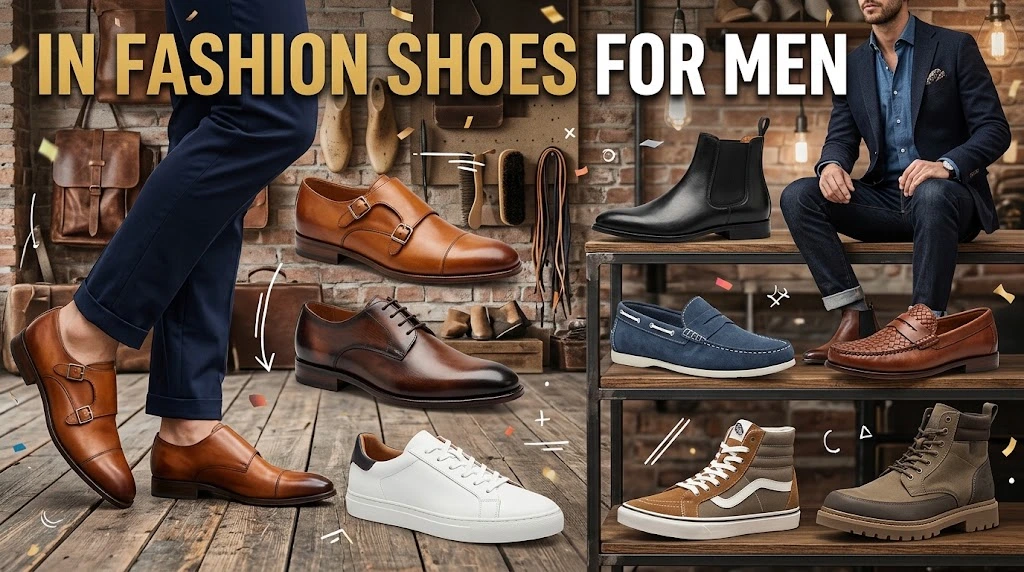
Men’s footwear has also become more flexible. The old rule that sneakers belong only with casual clothing is no longer useful in many modern wardrobes.
A well-chosen minimalist sneaker can work with chinos, relaxed tailoring, denim, and some types of trousers. Loafers can move between casual and smart settings depending on the material and outfit.
Popular men’s footwear categories include:
- Minimal sneakers
- Retro sneakers
- Loafers
- Chelsea boots
- Chukka boots
- Derby shoes
- Leather sandals
- Casual lace-up shoes
Proportion is especially important. Very bulky shoes can make slim trousers look unbalanced, while extremely narrow shoes may look awkward with wide-leg pants.
Try to match the visual weight of your shoes with your clothing. Wider trousers often work well with shoes that have some substance, while slimmer trousers can pair nicely with streamlined footwear.
Color coordination matters too. Brown leather shoes can complement earthy or warm clothing, while black footwear usually creates a sharper, more formal effect.
How Shoe Trends Change With the Seasons
Shoe fashion changes throughout the year because weather affects both practicality and styling.
In spring, lighter shoes often become more useful. Ballet flats, loafers, canvas sneakers, slingbacks, and lightweight trainers can work well with transitional outfits.
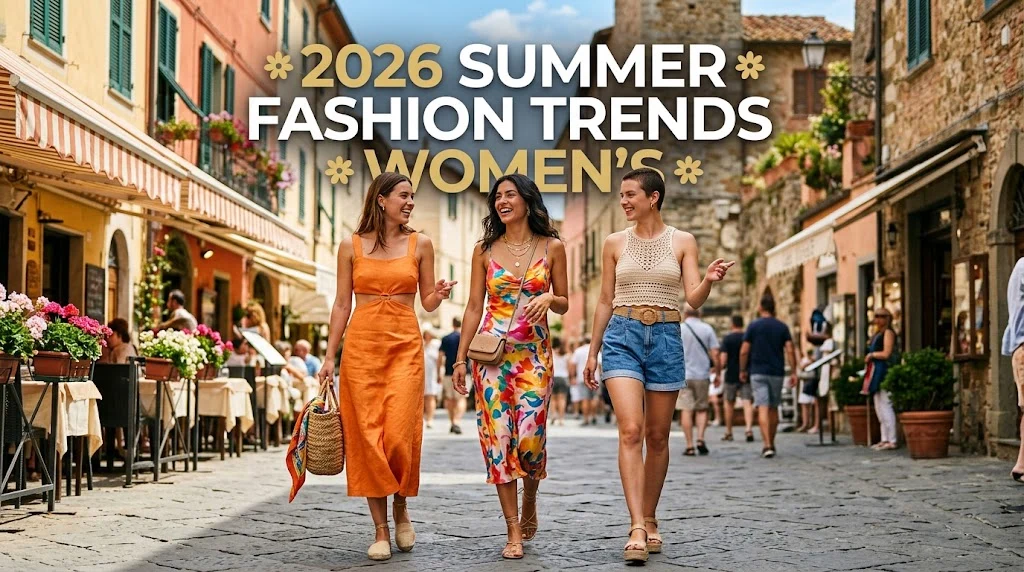
Summer usually brings sandals, breathable sneakers, woven textures, and lightweight flats. Simple sandals can make a linen outfit feel effortless, while sneakers are useful for travel and city walking.
Autumn creates opportunities for loafers, ankle boots, suede-inspired textures, and richer colors. A simple boot can instantly make jeans and a sweater feel more seasonal.
Winter requires greater attention to warmth, traction, and weather resistance. Boots become particularly useful, but fashionable winter footwear should still be practical enough for the conditions.
A common mistake is buying shoes based entirely on appearance while ignoring the season. A delicate flat may look beautiful, but it is not necessarily the right choice for heavy rain or icy conditions.
Think about fashion and function together.
How to Match Shoes With Jeans
Jeans are probably one of the easiest pieces to style with fashionable shoes because they work across several aesthetics.
Straight-leg jeans look excellent with loafers, sneakers, flats, and ankle boots. The relatively balanced shape allows many different shoe silhouettes.
Wide-leg jeans create a different effect. They often look better with shoes that have enough visual weight to balance the volume of the denim.
Skinny or narrow jeans can work with pointed flats, sleek sneakers, boots, and loafers. The narrower leg creates a cleaner connection between the trousers and footwear.
Try these combinations:
- Straight jeans + loafers = polished casual
- Straight jeans + sneakers = relaxed everyday style
- Wide jeans + platform sneakers = modern streetwear
- Dark jeans + ankle boots = refined evening look
- Cropped jeans + ballet flats = feminine and light
Pay attention to the hem. If your jeans stop awkwardly above your shoes, the outfit can lose its visual flow. Sometimes a small change in length makes a bigger difference than buying a completely different shoe.
How to Style Fashion Shoes With Dresses and Skirts
Shoes can completely change the personality of a dress.
A floral dress with delicate flats can feel romantic and soft. The same dress with chunky boots becomes more contemporary. Add sneakers and the look becomes casual and youthful.
This contrast is one of the easiest ways to make your wardrobe more interesting.
For midi dresses, consider the visual relationship between the hem and shoe. A low-profile shoe can create a delicate effect, while boots or chunkier footwear can add structure.
With short skirts, boots can create a strong seasonal outfit. Flats offer a softer alternative, while loafers can make the look feel polished without becoming too formal.
For evening dresses, the shoe does not always need to be dramatic. A simple slingback or elegant sandal can sometimes look more sophisticated than an overly decorated shoe.
When styling dresses, ask yourself what you want the footwear to do:
- Blend quietly into the outfit
- Add contrast
- Create height
- Make the outfit casual
- Add a feminine detail
- Introduce a statement element
That question makes shoe selection much easier.
The Best Shoe Colors for a Versatile Wardrobe
Color can determine how often you wear a pair of shoes.
Black is one of the easiest choices for formal and polished outfits. It works particularly well with darker clothing and creates a strong visual line.
White and cream shoes can brighten casual outfits and work especially well during warmer months. However, they require more maintenance because dirt tends to show quickly.
Brown and tan shoes are excellent for warm, earthy wardrobes. They pair naturally with denim, beige, cream, olive, rust, and other muted shades.
Metallic shoes can function almost like neutrals when styled carefully. Silver can add a cooler, sharper touch, while gold can create warmth.
If you already own several neutral shoes, you might choose a statement color next. Burgundy, red, deep green, or another rich shade can transform a basic outfit without requiring new clothing.
A useful strategy is to match your shoe color with something small in your outfit rather than trying to make everything identical.
For example, a burgundy shoe can echo a handbag, belt detail, scarf, or subtle pattern.
How to Choose the Right Shoe for Your Personal Style
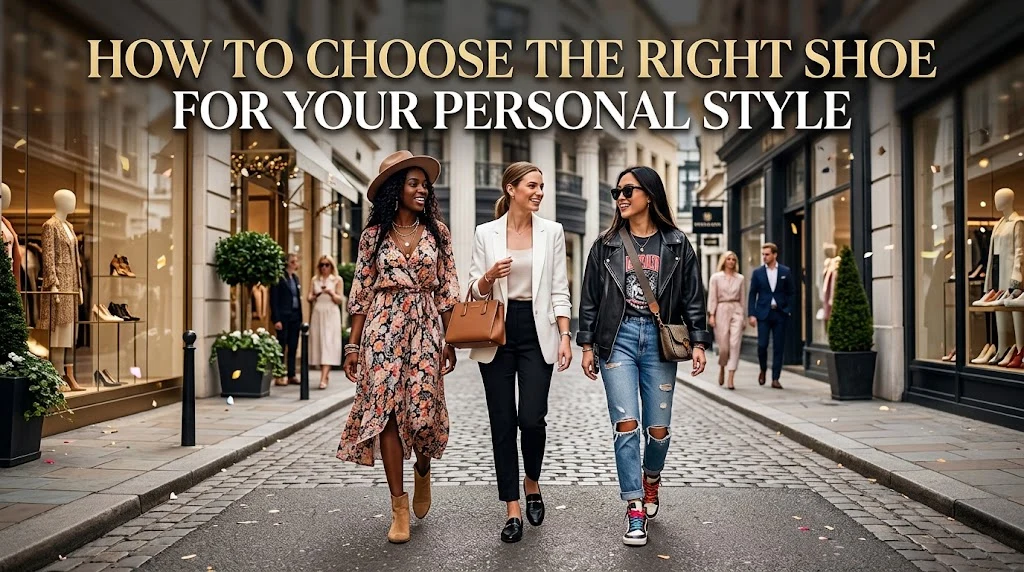
Trends are useful, but personal style should come first.
Before buying a fashionable shoe, look at the clothes you already wear. Do you naturally choose relaxed denim? Tailored trousers? Feminine dresses? Oversized streetwear? Minimalist neutrals?
Your answers reveal which shoe shapes are likely to work.
Someone who loves classic clothing may get more use from loafers, slingbacks, simple boots, and understated sneakers.
Someone who enjoys streetwear might prefer chunky sneakers, platform footwear, and statement boots.
A romantic dresser may naturally gravitate toward ballet flats, Mary Janes, and delicate sandals.
You do not need to force yourself into a trend that feels wrong. Fashion works best when it helps you express yourself rather than making you feel like you are wearing a costume.
The strongest wardrobes usually contain a combination of timeless staples and a few trend-driven pieces.
Comfortable Shoes Can Still Look Stylish
There is an outdated idea that fashionable shoes must be uncomfortable. Fortunately, that does not have to be true.
Comfortable footwear can look polished when the design is intentional.
Instead of choosing shoes based only on softness, consider structure. A comfortable shoe should fit correctly and provide suitable support for how you use it.
If you are shopping online, check the sizing information carefully. Different brands and shoe shapes can fit differently, so do not assume that one size will feel identical everywhere.
For heels, consider the height and stability. A lower heel can sometimes create a more elegant appearance than an extremely high heel because you can walk naturally and maintain good posture.
For everyday sneakers, pay attention to the shape of the toe box and the overall construction.
Most importantly, never ignore pain simply because a shoe looks fashionable. Blisters, pressure points, and persistent discomfort are signs that something is wrong with the fit or design.
Common Mistakes People Make When Buying Fashion Shoes
One of the biggest mistakes is buying shoes only because they are trending.
A trend can look incredible in a photograph but may not suit your proportions, wardrobe, or lifestyle. Instead of asking, “Is everyone wearing this?” ask, “Can I style this successfully with what I already own?”
Another mistake is ignoring quality.
A lower price does not automatically mean poor quality, and a high price does not guarantee excellent construction. Look at the materials, stitching, sole construction, finishing, and overall comfort.
Other common mistakes include:
- Buying the wrong size
- Ignoring width
- Choosing style over comfort
- Owning too many similar shoes
- Buying colors that clash with your wardrobe
- Forgetting the weather
- Purchasing shoes without considering maintenance
- Wearing shoes that do not suit the occasion
There is also a common styling mistake: making every part of an outfit compete for attention.
If your shoes are highly decorative, keep the rest of the outfit relatively simple. If your clothing already contains bold patterns or dramatic details, understated footwear may create a better balance.
How to Build a Smart Shoe Collection
You do not need dozens of pairs to create a versatile shoe wardrobe.
Start with the basics and expand according to your lifestyle.
A practical collection might include:
- A clean everyday sneaker
- A polished loafer
- A versatile flat
- An ankle boot
- A dressier shoe
- A seasonal sandal
- One statement pair
From there, fill genuine gaps rather than buying duplicates.
For example, if you already own three pairs of black shoes but struggle to style summer outfits, another black pair may not solve your problem. A neutral sandal or light-colored flat might provide much more value.
Think about cost per wear. A shoe that costs more but gets worn several times a week can be a better purchase than an inexpensive pair that remains untouched.
A smart shoe collection should make getting dressed easier, not create another source of clutter.
How to Make Trendy Shoes Look Timeless
Fashion changes quickly, but styling can make a trendy shoe feel more lasting.
The easiest method is to pair a statement shoe with classic clothing.
For example, imagine a bold sneaker with straight-leg denim and a simple button-down shirt. The clothing gives the outfit stability while the shoe provides personality.
You can use the same approach with boots, flats, loafers, or colorful footwear.
Another strategy is to avoid building an entire outfit around one trend. If your shoes have a distinctive shape, you do not necessarily need a matching trendy jacket, bag, and accessory.
Let the footwear become the interesting detail.
This creates an outfit that feels current without looking like you copied a complete social-media look.
The best fashion styling often comes from contrast. Mix old and new, casual and polished, simple and dramatic.
How to Shop for Fashionable Shoes Without Overspending
A fashionable wardrobe does not require unlimited spending.
Before shopping, make a list of the shoe categories you actually need. Then check your existing wardrobe.
If you discover that most of your shoes are casual sneakers, perhaps your next purchase should be something polished. If you already have several formal shoes, a versatile everyday pair may provide more value.
Set a budget before browsing. This prevents an attractive display or limited-time promotion from controlling your decision.
Also consider maintenance costs. White shoes may need frequent cleaning. Leather may require appropriate care. Suede-like materials can need extra attention in wet conditions.
Look beyond the initial price and consider cost per wear.
A $150 pair worn 100 times costs $1.50 per wear. A $50 pair worn twice costs $25 per wear.
The calculation is not perfect, but it helps you think about value instead of focusing only on the price tag.
How to Care for Fashion Shoes So They Last Longer
Good shoe care can make fashionable footwear look better for much longer.
Start by cleaning shoes according to their material. Do not assume every shoe can be treated with the same product.
Keep shoes away from excessive moisture unless they are specifically designed for wet conditions. Allow damp footwear to dry properly rather than storing it immediately.
For shoes that hold their shape, appropriate storage can help prevent unwanted creasing or deformation.
Rotate frequently worn shoes when possible. Giving footwear time between wears can help it recover from daily use.
Simple habits can make a major difference:
- Clean dirt before it becomes difficult to remove
- Store shoes in a dry place
- Follow material-specific care instructions
- Replace worn soles when practical
- Avoid using unsuitable cleaning products
- Give wet shoes time to dry naturally
Taking care of your shoes is also part of sustainable fashion. The longer you use something, the less often you need to replace it.
Final Thoughts on in fashion shoes
The best approach to in fashion shoes is not to chase every new trend. It is to understand why certain styles work, then choose the ones that fit your wardrobe, comfort needs, lifestyle, and personality.
Sneakers, loafers, flats, boots, sandals, heels, and statement shoes can all be fashionable. What matters is how you style them and whether they serve a real purpose in your wardrobe.
Start with versatile foundations. Add seasonal pieces when they genuinely improve your outfits. Then introduce one or two trend-driven styles when you want something fresh.
Remember that great footwear should do more than look good. It should help you feel confident when you walk out the door.
When your shoes fit well, suit your outfit, and feel like you, fashion becomes much easier. You stop dressing to follow every trend and start using fashion as a tool for personal expression.
Frequently Asked Questions About in fashion shoes
1. What shoes are currently considered fashionable?
Fashionable shoes include sneakers, loafers, ballet flats, Mary Janes, slingbacks, ankle boots, sandals, and selected statement styles. The best choice depends on the season, outfit, occasion, and personal style.
2. Are sneakers still in fashion?
Yes. Sneakers remain one of the most versatile footwear choices because they can work with jeans, casual trousers, skirts, dresses, and some relaxed tailoring. The key is choosing a shape that complements your outfit.
3. What is the most versatile shoe color?
Black, brown, tan, cream, and other neutral shades are highly versatile. The best color for you depends on the colors already present in your wardrobe.
4. How can I make simple shoes look fashionable?
Use styling and proportion. Pair simple shoes with well-fitted clothing, experiment with different trouser lengths, and add contrast between casual and polished pieces. A simple shoe can look expensive and modern when the entire outfit is balanced.
5. Are comfortable shoes fashionable?
Absolutely. Comfortable footwear can look stylish when it has a clean shape, suitable proportions, and quality construction. You do not need to sacrifice comfort to create a polished outfit.
6. Should I buy trendy shoes or classic shoes?
A combination is usually best. Build your collection around classic, versatile shoes and add a small number of trendy pairs for variety. This gives you current style without making your entire wardrobe dependent on short-lived trends.
7. How many pairs of shoes should I own?
There is no universal number. A useful collection should cover your everyday activities, work or formal needs, seasonal weather, and personal style. Focus on having the right categories rather than reaching a specific number.
One thought on “in fashion shoes”