Fashion has a funny way of changing how we feel about an ordinary day. A simple outfit can make you stand taller, walk with more confidence, and feel ready for whatever comes next. But looking stylish every day does not mean buying new clothes all the time or copying every trend that appears on social media.
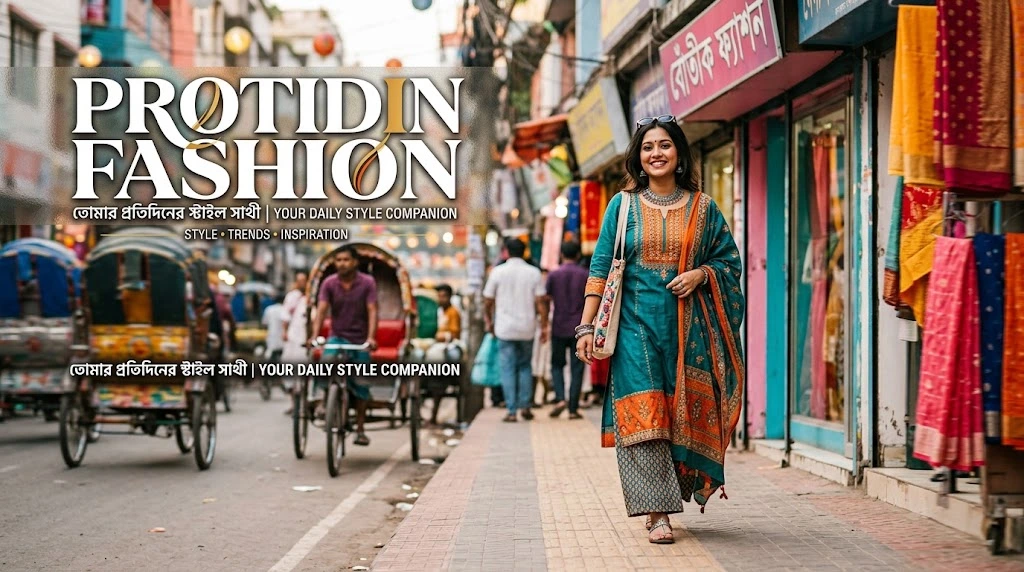
Protidin fashion is really about making everyday style feel easy, personal, and practical. It is the art of choosing clothes that fit your lifestyle, suit your body and comfort level, work well together, and still give you that little feeling of being well put together.
Whether you are getting ready for university, heading to work, meeting friends, running errands, or enjoying a relaxed weekend, your daily wardrobe can look polished without becoming complicated. The secret is knowing what works for you and building outfits around that knowledge.
What Does Protidin Fashion Mean?
Protidin fashion can be understood as everyday fashion or daily dressing. The focus is not on dramatic runway looks. Instead, it is about clothes you can realistically wear again and again while still looking fresh and stylish.
A good daily outfit balances three things: comfort, function, and personal style. If an outfit looks beautiful but makes you uncomfortable after an hour, it is probably not a good everyday choice.
Think about your normal week. You might wear jeans and a shirt on Monday, trousers and a kurta on Tuesday, a simple dress on Wednesday, and relaxed separates on the weekend. These outfits can all belong to the same personal style when you choose colors, cuts, fabrics, and accessories that feel connected.
The best part is that everyday fashion does not require a huge wardrobe. A smaller collection of useful pieces can create far more outfits than a closet full of clothes you rarely wear.
Why Everyday Fashion Matters
What you wear every day affects more than your appearance. It can influence how comfortable you feel, how prepared you are, and how confidently you move through your day.
For example, wearing breathable fabric on a hot day can keep you comfortable during commuting. Choosing practical shoes can make a long day much easier. A well-fitted blazer can instantly make a simple outfit feel appropriate for a meeting.
There is also a financial benefit. When you understand your personal style, you are less likely to buy something simply because it is trending. Instead, you can ask a better question: “Will I actually wear this?”
That small change can make shopping more intentional.
Daily fashion also gives you an opportunity to express personality without trying too hard. Someone may prefer clean neutrals, while another person loves bright colors and prints. Neither approach is more fashionable. The strongest style is usually the one that feels natural to the person wearing it.
How to Build a Stylish Everyday Wardrobe
A practical wardrobe starts with versatile basics. These pieces do not need to be boring. They simply need to work with several other items.
Consider building around:
- A well-fitting pair of jeans
- Straight or wide-leg trousers
- Simple cotton shirts
- Neutral and colorful tops
- A comfortable kurta or tunic
- A versatile everyday dress
- A lightweight cardigan or jacket
- Comfortable sneakers
- Simple flats or loafers
- A practical everyday bag
- A few understated accessories
The important word is versatile. A white or light-colored shirt, for instance, can work with jeans for a casual look, tailored trousers for work, or a long skirt for a more feminine outfit.
Before buying something new, try creating at least three outfits with it in your mind. If you cannot imagine wearing it in different situations, it may not deserve space in your everyday wardrobe.
Protidin Fashion for Work and Office
Office dressing does not have to mean wearing the same formal combination every day. You can create variety while keeping your appearance professional.
Start with reliable foundations such as tailored trousers, modest blouses, shirts, midi skirts, simple dresses, or structured kurtas. Add a blazer or lightweight jacket when you need a more polished finish.
For a relaxed office environment, dark jeans with a neat shirt and loafers can look smart without feeling overly formal. For a traditional workplace, a clean kurta with straight trousers and simple accessories can offer both comfort and professionalism.
Pay attention to fabric as well. Natural or breathable materials can be particularly useful when you spend hours commuting or moving between indoor and outdoor environments.
Stylist tip: Keep one structured piece in your outfit. It could be a blazer, tailored trousers, a structured bag, or polished shoes. That single element can make a casual outfit look much more intentional.
Casual Everyday Outfits That Still Look Polished
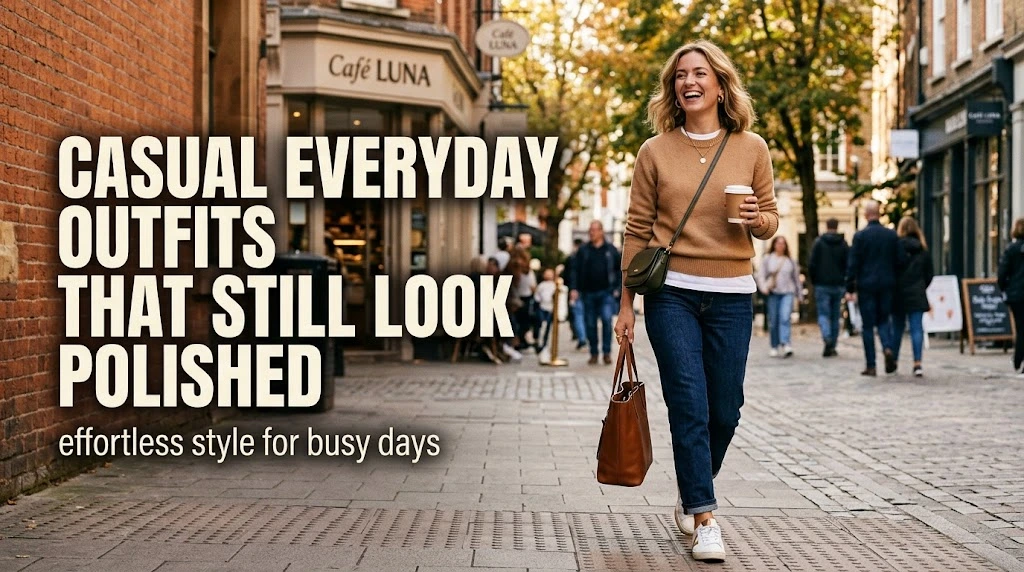
Casual does not have to mean careless. The difference often comes down to fit and finishing details.
Imagine wearing a basic T-shirt with jeans. It is simple, but the outfit can look completely different depending on the fit of the jeans, the condition of the shoes, the way the shirt sits, and the accessories you choose.
Try combinations such as:
- Straight-leg jeans + fitted T-shirt + sneakers
- Wide-leg trousers + tucked-in shirt + flats
- Cotton kurta + straight pants + sandals
- Midi dress + denim jacket + sneakers
- Relaxed trousers + simple top + loafers
A small styling trick can make a big difference. Try a partial tuck rather than leaving a loose shirt completely untucked. It can define the waist and give the outfit a more balanced shape.
You can also roll sleeves neatly, add a belt, or use a small handbag to give a basic outfit more structure.
How to Choose Clothes That Suit Your Body Shape
There is no single body shape that is more fashionable than another. Good styling is about understanding proportions and choosing silhouettes that make you feel comfortable and confident.
If you want to create more definition at the waist, try tucked-in tops, belted dresses, or high-rise trousers. If you prefer a relaxed silhouette, wide-leg trousers and oversized shirts can work beautifully when balanced with a more fitted piece elsewhere.
For example, pairing an oversized shirt with very loose trousers can create a deliberately relaxed look, but adding a structured bag or cleaner footwear can stop the outfit from appearing shapeless.
Do not become trapped by strict “body type rules.” They can be useful as styling ideas, but they should never become fashion laws.
The most important question is simple: Do you like the way the outfit makes you feel?
Choosing Colors for Daily Fashion
Color can transform an outfit without changing the basic clothing pieces.
A practical wardrobe often benefits from a foundation of versatile shades such as black, white, cream, navy, gray, brown, beige, denim, or olive. You can then introduce personality through colors such as burgundy, pink, blue, green, yellow, or red.
One easy method is the three-color approach. Keep most outfits within two or three main colors. This creates visual balance without requiring much effort.
For example:
- Cream top + blue jeans + brown shoes
- Black trousers + white shirt + burgundy bag
- Olive trousers + beige top + white sneakers
- Navy kurta + cream trousers + tan accessories
This does not mean you should never wear more colors. Fashion is about experimentation. The three-color idea is simply a useful starting point when you are unsure what works together.
Seasonal Protidin Fashion Ideas
Daily fashion should change with the weather. The most stylish outfit in the world is not useful if you are freezing in winter or uncomfortable in summer.
During warmer months, prioritize breathable and lightweight fabrics. Cotton, linen, and other airy materials can help create comfortable everyday outfits. Loose silhouettes can also make warm-weather dressing easier.
For cooler weather, layering becomes your best friend. A basic shirt can work under a sweater, cardigan, jacket, or coat. Instead of buying completely different wardrobes for every season, use layers to extend the life of your existing pieces.
A simple seasonal formula can look like this:
Summer: lightweight top + relaxed trousers + sandals
Autumn: shirt + trousers + cardigan + loafers
Winter: knitwear + trousers or jeans + coat + boots
Spring: blouse + jeans or skirt + lightweight jacket + flats
The goal is not to follow a seasonal trend list. It is to dress appropriately while keeping your personal style visible.
Protidin Fashion in Pakistani Style
For Pakistani women, everyday fashion can combine modern styling with traditional clothing in many practical ways.
A simple cotton or lawn kurta with straight trousers can create an effortless daily outfit. You can make it more contemporary with minimal jewelry, a structured handbag, or clean footwear.
Shalwar kameez also offers enormous styling flexibility. Changing the dupatta, shoes, bag, or jewelry can make the same basic outfit feel completely different.
For a more modern look, consider combining:
- A solid-color kurta with wide-leg trousers
- A printed shirt with plain trousers
- A long shirt with straight pants
- A simple shalwar kameez with contemporary accessories
- A neutral outfit with a colorful dupatta
Fabric choice matters especially in Pakistan’s warmer seasons. Lightweight cotton and lawn can be practical for everyday wear, while warmer fabrics and layered pieces become useful during cooler weather.
The strongest approach is not choosing between traditional and modern fashion. You can comfortably use both.
How to Make Simple Clothes Look Expensive
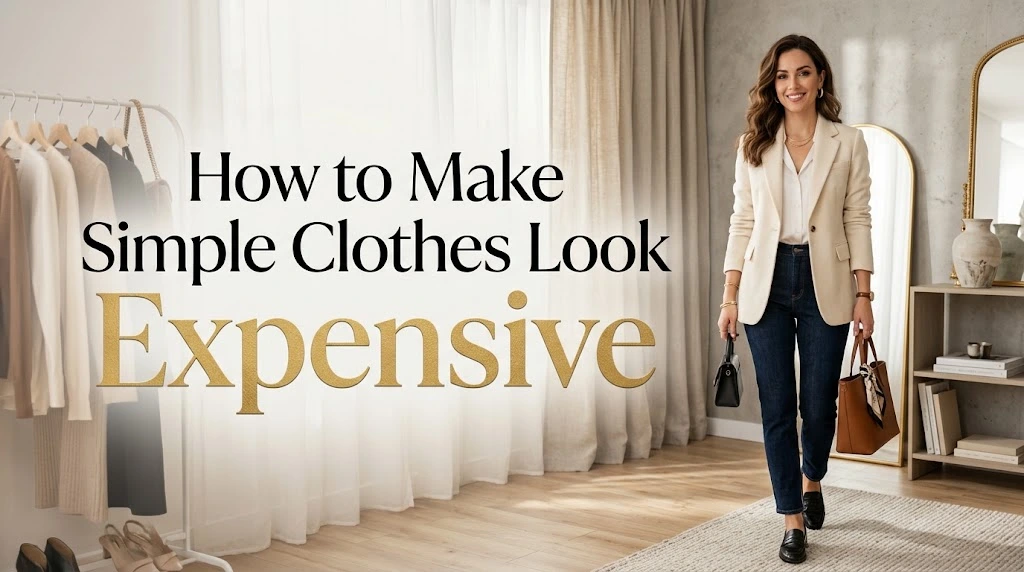
You do not need designer clothing to create a polished appearance. In many cases, the styling and condition of your clothes matter more than the price tag.
Start with fit. Clothes that sit properly on your shoulders, waist, sleeves, and trousers can look far more refined than expensive clothes with poor proportions.
Then pay attention to small details:
- Keep clothes clean and well pressed.
- Remove visible lint and loose threads.
- Choose shoes that are clean and maintained.
- Avoid overcrowding an outfit with accessories.
- Use a structured bag when you want a polished appearance.
- Choose fabrics that hold their shape reasonably well.
- Make sure your clothes are appropriate for the occasion.
A simple monochrome outfit can look sophisticated because the visual line is clean. Adding one quality-looking accessory can finish the outfit without making it complicated.
Polished style usually comes from consistency, not cost.
Accessories That Improve Everyday Outfits
Accessories are one of the easiest ways to change an outfit.
You can wear the same neutral dress several times and make it feel different by changing the bag, shoes, scarf, belt, or jewelry.
For everyday use, consider building a small accessory collection that includes:
- One practical handbag
- One smaller crossbody bag
- Everyday earrings
- A simple watch
- A versatile belt
- A lightweight scarf or dupatta
- Comfortable flats or loafers
- Clean everyday sneakers
Do not add accessories simply because you own them. Each piece should support the outfit.
For example, if your clothing already has a bold print, simple jewelry may work better. If you are wearing a plain neutral outfit, a colorful bag or statement earrings can provide the visual interest.
The trick is knowing when to stop. One strong accessory often looks better than five competing ones.
Protidin Fashion on a Budget
Looking stylish on a limited budget is completely possible. In fact, having a budget can encourage smarter fashion choices.
Instead of buying several inexpensive pieces that you may wear only once, focus on items that can work across different outfits.
Before shopping, make a short list of what your wardrobe actually lacks. You might discover that you need one pair of comfortable trousers rather than another collection of tops.
Try this simple shopping test:
- Does it fit well?
- Can I create at least three outfits with it?
- Does it suit my normal lifestyle?
- Can I wear it in more than one season?
- Would I still want it without the trend attached to it?
If the answer is mostly yes, the buy is more likely to be useful.
Shopping secondhand, buying during seasonal sales, repairing good clothes, and taking proper care of your wardrobe can also stretch your budget.
Common Everyday Fashion Mistakes
Even people who love fashion can make simple mistakes. Fortunately, most are easy to fix.
Wearing the wrong fit: A garment can be beautiful but still look awkward if the proportions do not work for you.
Ignoring comfort: If you constantly adjust your clothing, the outfit is not serving you.
Following every trend: Trends are options, not obligations.
Over-accessorizing: Too many statement pieces can compete for attention.
Ignoring footwear: Shoes often influence the entire mood of an outfit.
Buying without a plan: A closet full of random pieces makes getting dressed harder.
Forgetting the occasion: An outfit should make sense for where you are going.
Neglecting clothing care: Wrinkles, stains, pilling, and worn-out shoes can make an otherwise good outfit look unfinished.
One of the best style habits is to take a quick look in the mirror before leaving and ask: “Does anything feel unnecessary?” Removing one item can sometimes improve the entire outfit.
How to Create a Personal Fashion Style
Personal style develops through observation and experimentation. You do not need to decide that you are permanently a “minimalist,” “classic dresser,” or “trend lover.”
Start by noticing what you repeatedly reach for.
Do you prefer neutral colors? Do you always choose comfortable trousers? Are you happiest in traditional clothing? Do you love feminine dresses? Do sneakers appear in most of your outfits?
These patterns reveal your natural style.
Create a small inspiration folder with outfits you genuinely like. After collecting several examples, look for similarities. You may notice repeated colors, silhouettes, fabrics, or accessories.
Then experiment with your own wardrobe rather than trying to recreate someone else’s outfit exactly.
Personal style should look like you—not like a copy of someone you follow online.
Smart Wardrobe Planning for Busy Days
Some mornings simply do not leave enough time for complicated styling. That is why outfit planning can make everyday fashion much easier.
Create a few reliable outfit formulas that you know work.
For example:
- Work formula: tailored trousers + shirt + loafers
- Casual formula: jeans + T-shirt + sneakers
- Traditional formula: kurta + trousers + dupatta
- Dinner formula: simple dress + small bag + refined footwear
- Weekend formula: relaxed trousers + top + comfortable shoes
You can also prepare an outfit the night before. This saves time and prevents the familiar “I have nothing to wear” problem.
Another useful habit is keeping your wardrobe organized by category. When shirts, trousers, dresses, and outer layers are easy to see, outfit combinations become much easier to notice.
A good wardrobe should help you get dressed faster, not make the process more stressful.
How to Follow Fashion Trends Without Losing Your Style
Trends can be fun. The problem starts when every new trend becomes a shopping emergency.
Instead, treat trends as inspiration. If wide-leg trousers are popular and you already enjoy them, great. If a particular color is everywhere but does not suit your taste, you can simply ignore it.
You can also test a trend through a smaller item before investing in a major piece. Try a trendy color in a scarf, bag, shoes, or jewelry rather than replacing your entire wardrobe.
This approach keeps your style current without making it disposable.
Fashion changes quickly, but your personal wardrobe does not need to change at the same speed.
The smartest everyday dresser asks, “How can I adapt this trend to my existing style?” rather than “How can I become exactly like the trend?”
Conclusion: Make Everyday Style Feel Like Your Own
Good protidin fashion is not about wearing something new every morning. It is about understanding your clothes well enough to create outfits that feel comfortable, attractive, practical, and genuinely yours.
Build your wardrobe around versatile pieces. Pay attention to fit, fabric, color, footwear, and accessories. Dress for the weather and the occasion. Most importantly, do not let trends convince you that your existing wardrobe is suddenly worthless.
A great everyday outfit can be remarkably simple: a well-fitting pair of trousers, a clean shirt, comfortable shoes, and one thoughtful accessory may be all you need.
The real goal of daily fashion is not to impress everyone you meet. It is to look in the mirror before you leave home and feel comfortable, confident, and ready for your day.
FAQs About Protidin Fashion
1. What is protidin fashion?
Protidin fashion means everyday fashion or daily dressing. It focuses on comfortable, practical, stylish outfits that suit normal activities such as work, university, shopping, social events, and weekends.
2. How can I look stylish every day?
Focus on well-fitting clothes, coordinated colors, clean footwear, simple accessories, and appropriate fabrics. You do not need a new outfit every day. Learning different ways to style the same pieces can create much more variety.
3. What are the best everyday fashion essentials?
Useful essentials include well-fitting jeans, trousers, simple shirts and tops, versatile traditional clothing, comfortable shoes, a practical handbag, and a few accessories. Choose pieces that work with several other items in your wardrobe.
4. How can I improve my daily fashion on a budget?
Buy versatile clothing instead of impulse purchases. Look for good fit and durable fabrics, shop during sales when appropriate, repair quality pieces, and choose clothes that can create several different outfits.
5. What should I wear for everyday Pakistani fashion?
Cotton or lawn kurtas, shalwar kameez, straight trousers, lightweight dupattas, simple shirts, and comfortable footwear are practical options. You can combine traditional pieces with modern accessories to create a fresh everyday look.
6. How do I choose clothes that suit me?
Start with comfort and fit. Notice which silhouettes make you feel confident, then experiment with colors, proportions, and fabrics. Avoid rigid fashion rules and focus on creating a balanced look that feels natural to you.
7. How can I make simple outfits look more fashionable?
Improve the fit, coordinate colors, keep your shoes clean, add one thoughtful accessory, and pay attention to small finishing details. Even a basic outfit can look polished when the proportions and details are intentional.