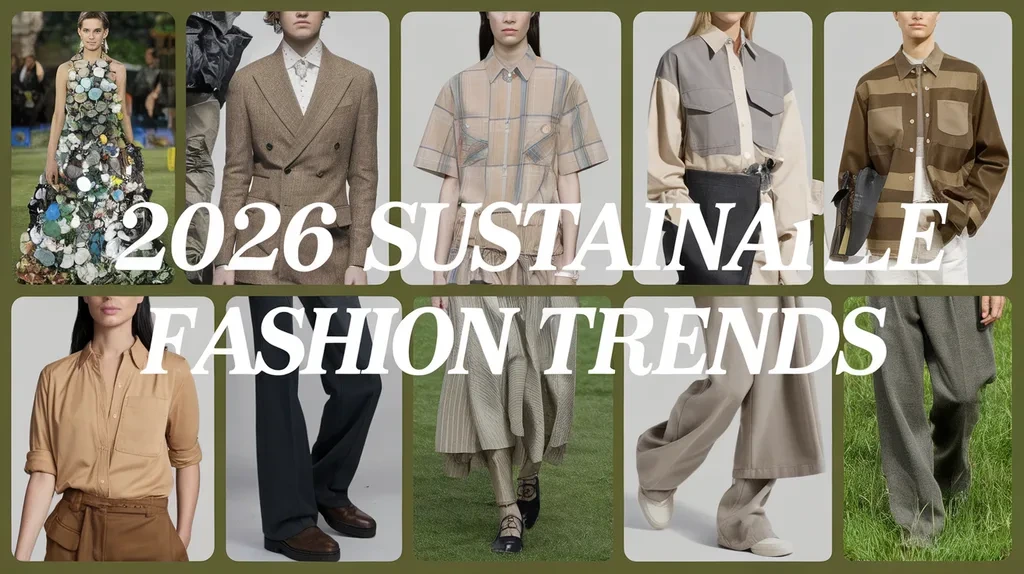
Fashion is changing, but not because designers are choosing new colors, shapes, or fabrics. In 2026, more people are asking a deeper question before buying clothes: “Will I actually wear this, and how long will it last?” That simple question is helping move fashion away from constant overconsumption and toward better materials, longer-lasting pieces, repair, resale, and more thoughtful shopping.
The most exciting 2026 sustainable fashion trends are not about giving up personal style. They are about making style work harder. A well-cut jacket that stays in your wardrobe for years can be more useful than five trendy pieces that lose their appeal after one season. Likewise, buying secondhand, choosing durable fabrics, repairing damaged clothing, and caring for what you already own can make a real difference.
Sustainable fashion in 2026 also looks more practical than the old idea of simply buying “eco-friendly” products. Shoppers are becoming more interested in where materials come from, how clothes are made, how long they last, and what happens when they are no longer wanted. That makes sustainability less of a trend and more of a smarter way to build a wardrobe.
Here are the major sustainable fashion movements worth knowing about in 2026, along with practical ways to bring them into your everyday style.
1. Circular fashion becomes a bigger part of everyday style
Circular fashion focuses on keeping clothing and materials in use for as long as possible instead of following the traditional pattern of buying, wearing, and throwing away. The idea includes resale, repair, reuse, rental, refurbishment, remaking, and recycling.
In practical terms, circular fashion changes how you think about a garment. Instead of asking only whether a shirt looks good today, you might ask whether you could still wear it three years from now, resell it later, repair it if needed, or pass it to someone else.
This approach is becoming especially useful for wardrobe staples. A classic wool coat, quality denim jacket, leather-free handbag, or well-made pair of trousers can have several lives.
Stylist tip: Before buying something new, imagine at least three outfits you could create with clothes you already own. If you cannot do that, the item may not earn its place in your wardrobe.
Circular fashion does not require a perfect wardrobe. Even small choices count. Repairing one pair of jeans instead of replacing them is already a circular action.
2. Secondhand fashion becomes a first choice
Secondhand shopping is no longer limited to charity shops or people searching for bargains. Online resale platforms, vintage stores, consignment boutiques, and curated secondhand shops have made pre-owned fashion much easier to find.
For many shoppers, the appeal goes beyond sustainability. Secondhand clothing can offer better quality, unusual designs, older collections, and pieces that are no longer available in regular stores.
Vintage shopping can also make an outfit feel more personal. If everyone is wearing the same new-season jacket, an older version with a different cut or fabric can give your look more character.
When shopping secondhand, check:
- Fabric condition
- Seams and hems
- Zippers and buttons
- Underarm areas
- Collar wear
- Stains or fading
- Alteration possibilities
- Whether the item fits your existing wardrobe
Do not assume every secondhand item automatically represents a sustainable choice. Buying something you will rarely wear does not solve the problem of overconsumption.
The smarter approach is buy less, choose well, and wear often.
3. Clothing made from recycled materials keeps evolving
Recycled textiles remain an important part of sustainable fashion in 2026. Brands continue exploring ways to turn existing materials into new fibers, fabrics, and garments.
Recycled polyester, recycled nylon, recycled cotton, and regenerated fibers can help reduce dependence on newly produced raw materials. However, the phrase “recycled” should not automatically convince you that a product is environmentally perfect.
The important question is what was recycled, how was it processed, and what happens to the garment later?
For example, recycled synthetic fibers can still create challenges around microfiber shedding. Similarly, recycling a blended fabric can be harder than recycling a garment made from a single fiber.
When comparing products, look beyond a sustainability label. Read the fiber composition and care instructions. A garment made partly from recycled materials can still be a sensible choice if it is durable, useful, and likely to receive years of wear.
Practical rule: Treat recycled content as one factor in your decision, not the entire sustainability story.
4. Natural and lower-impact fibers attract more attention
Natural fibers continue to play a major role in sustainable wardrobe discussions. Cotton, linen, hemp, wool, and other plant- or animal-based fibers can offer useful properties such as breathability, durability, warmth, or biodegradability under suitable conditions.
But “natural” does not automatically mean “sustainable.”
Cotton production can require substantial water and agricultural inputs. Wool has animal-welfare and land-use considerations. Linen can have different environmental characteristics depending on production methods and processing.
That is why a better approach is to think about fiber + production + durability + use.
For hot weather, linen can be a practical choice because its breathable texture works naturally with relaxed summer styling. Hemp can offer durability and a distinctive texture. Wool can be extremely useful for long-lasting outerwear when properly cared for.
Instead of searching for one magical sustainable fabric, build a wardrobe around materials that suit the garment’s purpose.
5. Regenerative materials gain attention
Regenerative fashion goes a step beyond reducing harm. It focuses on agricultural and production practices that aim to improve soil, biodiversity, ecosystems, and natural resources.
Regenerative agriculture can include practices such as improving soil health, increasing crop diversity, protecting soil, and supporting healthier ecosystems. In fashion, these ideas are particularly relevant to materials such as cotton and wool.
However, shoppers should be careful with broad claims. A label saying “regenerative” does not tell you everything about a garment’s environmental impact.
Look for specific information about:
- Farming practices
- Material sourcing
- Certification or verification
- Processing
- Supply-chain transparency
- The percentage of the garment using the claimed material
Expert tip: The more specific a sustainability claim is, the easier it is to evaluate. Detailed sourcing information is more useful than vague phrases such as “green,” “clean,” or “planet-friendly.”
6. Durable clothing replaces disposable trend cycles
One of the strongest sustainable fashion trends for 2026 is actually very simple: buying clothing that lasts.
Durability does not sound as exciting as a new runway aesthetic, but it may be one of the most valuable wardrobe strategies. A garment that survives frequent washing and regular wear can reduce the need to purchase replacements.
Look closely at construction before buying.
Strong signs include:
- Secure seams
- Even stitching
- Quality buttons
- Strong zippers
- Fabric suited to the garment’s purpose
- Reinforced stress points
- A shape that works with your body
- Repairable construction
Price alone does not tell you whether clothing will last. An expensive garment can be poorly made, while an affordable item can sometimes provide excellent value.
Think about cost per wear instead.
A $100 jacket worn 100 times costs $1 per wear. A $30 top worn three times costs $10 per wear.
That simple calculation can completely change the way you shop.
7. Repair culture becomes fashionable again
Repairing clothing used to be a normal household skill. Now it is becoming part of modern fashion culture again.
Small repairs can dramatically extend the useful life of clothing. Replacing a button, fixing a hem, repairing a zipper, patching denim, or reinforcing a weak seam can prevent a wearable garment from becoming waste.
Visible mending adds another interesting dimension. Instead of hiding a repair, some people deliberately make it visible through contrasting thread, patches, embroidery, or decorative stitching.
This works especially well with denim, jackets, sweaters, and casual clothing.
If you are not comfortable sewing, local tailors and alteration services can handle many simple repairs. Learning a few basic skills can also save money.
Common mistake: Throwing away clothing because of one small defect.
Before discarding something, ask whether the problem can be repaired for less than the cost of replacing the garment.
8. Capsule wardrobes become more personal
The capsule wardrobe concept continues to evolve in 2026. Instead of following a strict formula with a fixed number of pieces, many people are building smaller wardrobes around their actual lifestyle.
That is important because sustainability does not require everyone to own the same beige trousers, white shirt, and black blazer.
Your capsule wardrobe should reflect how you really live.
A useful wardrobe might contain:
- Reliable everyday tops
- Well-fitting trousers or jeans
- A versatile outer layer
- Comfortable shoes
- One or two statement pieces
- Seasonal essentials
- Accessories that change outfits
The goal is not minimalism for its own sake. The goal is maximum outfit potential from fewer, better-used pieces.
9. Rental fashion expands beyond special occasions
Fashion rental has traditionally been associated with weddings, formal events, and expensive designer clothing. The concept is now expanding into other areas.
Renting can make sense when you need something temporarily but do not expect to wear it often. Think of formal dresses, special-event outfits, maternity clothing, costumes, or certain seasonal pieces.
The environmental benefit depends on how the rental system operates. Transportation, cleaning, packaging, and garment lifespan all matter.
That means rental is not automatically better in every situation.
If you need a black dress for one wedding and know you will never wear it again, renting can be practical. But if you repeatedly attend events and could wear one versatile dress for years, buying a durable piece may make more sense.
Stylist advice: Use rental to solve occasional wardrobe problems, not as an excuse to consume more clothing.
10. Clothing care becomes a sustainability strategy
One of the easiest sustainable fashion habits costs almost nothing: take better care of the clothes you already own.
Washing clothing less aggressively can help extend its life. Follow the care label, avoid unnecessary high-temperature washing, and use appropriate drying methods.
Different fabrics need different treatment.
Wool and delicate knitwear often benefit from gentle handling. Denim may not need frequent washing. Air-drying can reduce heat exposure compared with frequent tumble drying.
Good storage matters too.
Fold heavy sweaters rather than hanging them if hanging could stretch the shoulders. Give shoes time to air out. Store seasonal clothing clean and completely dry.
A garment does not become sustainable simply because its label says so. Its environmental value improves when you keep wearing it for a long time.
11. Timeless style meets modern fashion
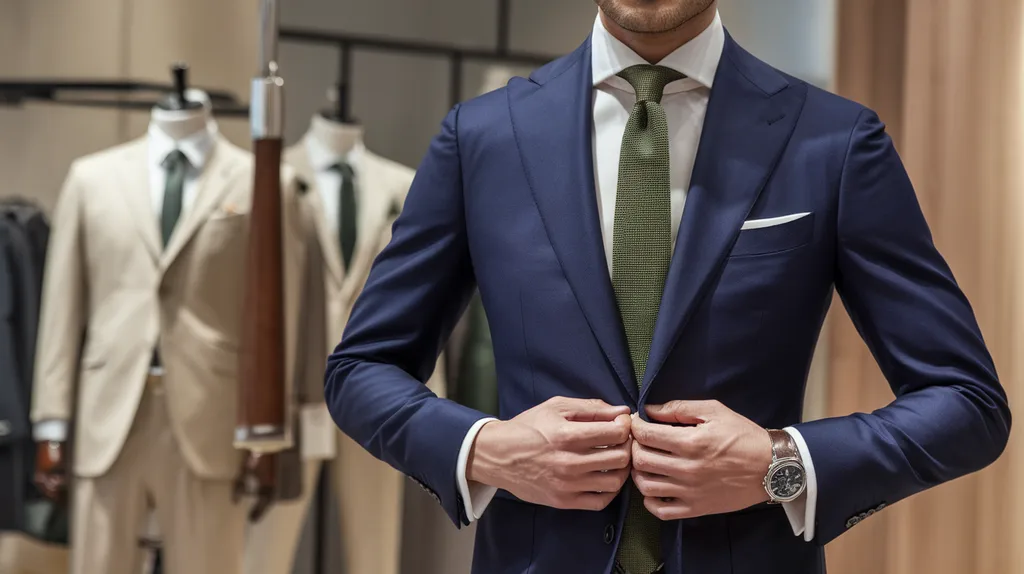
Sustainable fashion does not mean avoiding trends completely. You can still enjoy new silhouettes, colors, prints, and styling ideas without rebuilding your wardrobe every season.
The trick is to separate trend pieces from wardrobe foundations.
For example, you might choose a current-season scarf, bag, or accessory to experiment with a trend while keeping your trousers, coat, knitwear, and shoes more timeless.
This strategy gives you fashion variety without requiring constant shopping.
Try using the 70/30 approach:
- 70% of your wardrobe can consist of reliable pieces you wear regularly.
- 30% can include trend-driven or experimental items.
There is no scientific requirement for these exact percentages. They are simply a practical styling framework.
The best sustainable wardrobe still has personality. If you love fashion, you do not need to stop experimenting. You simply need to become more selective about what enters your closet.
12. Transparent fashion brands earn more trust
Transparency is becoming increasingly important to shoppers who want to understand what they are buying.
A transparent fashion brand should ideally provide meaningful information about materials, manufacturing, supply chains, workers, certifications, and environmental practices.
This does not mean a company must be perfect. Fashion supply chains are complex, and meaningful improvement can take time.
However, vague marketing should make you curious rather than impressed.
Watch for phrases such as:
- “Eco-conscious”
- “Planet positive”
- “Green collection”
- “Responsible fashion”
- “Made with love for the planet”
These phrases may sound attractive, but they do not explain much by themselves.
Instead, look for specific facts. Where was the garment made? What is the exact fiber composition? What certification applies? Does the company explain its suppliers? How does it address worker conditions?
A trustworthy sustainability claim gives you enough information to evaluate it.
13. Digital product information changes how we shop
Digital tools are making it easier for shoppers to access information about clothing. Product pages increasingly provide detailed material information, care instructions, sourcing details, certifications, and other data.
Digital product passports and related traceability systems are also becoming an important part of fashion’s future, particularly as regulations and industry standards develop.
For consumers, better product information can make comparison easier.
Imagine looking at two similar jackets. One provides only a vague material description. The other explains its fiber composition, manufacturing location, repair options, care instructions, and end-of-life pathway.
The second product gives you more information to make a reasoned decision.
Shopping tip: Before purchasing, spend two minutes reading the product details instead of relying only on photos and sustainability badges.
That small habit can prevent many impulse purchases.
14. Low-waste design changes the shape of clothing
Traditional clothing production can leave fabric scraps behind during cutting and manufacturing. Low-waste and zero-waste design approaches try to reduce this unused material.
Designers can use different cutting layouts, modular construction, creative pattern shapes, or leftover materials to reduce waste.
Upcycling takes the idea further by turning existing garments or textile waste into something new.
An old shirt might become a bag. Damaged denim can become patches or accessories. Fabric scraps can become smaller design elements.
Upcycled fashion can also produce highly individual pieces because every source material has its own history.
For everyday shoppers, the lesson is simple: look for creativity in what already exists.
Before buying another item, consider whether an existing garment could be altered. Shorten a dress. Change buttons. Adjust a waistband. Add embroidery. A small alteration can completely change how a piece feels.
15. Smarter shopping becomes the real sustainable fashion trend
The biggest lesson behind 2026 sustainable fashion trends is that sustainability is not one product, one fabric, or one brand.
It is a collection of everyday decisions.
The most sustainable item in your wardrobe is often the one you already own and continue wearing. When you do need something new, prioritize quality, versatility, responsible sourcing, and realistic wear.
A useful shopping checklist is:
- Do I need it?
- Can I style it with at least three outfits?
- Will I wear it regularly?
- Is the fabric suitable for its purpose?
- Does the construction look durable?
- Can I repair it?
- Can I care for it easily?
- Is the sustainability claim specific and credible?
- Could I buy it secondhand?
- What will happen to it when I no longer want it?
This approach is far more useful than trying to create a perfectly sustainable wardrobe overnight.
Sustainable fashion should also be accessible. You do not need an expensive designer wardrobe or a closet full of certified materials to make better choices. Wearing your clothes longer, buying less impulsively, repairing what you own, shopping secondhand, and caring for your garments properly are practical steps almost anyone can take.
Conclusion
The most meaningful 2026 sustainable fashion trends are moving fashion toward longevity, circularity, transparency, repair, resale, responsible materials, and smarter consumption.
But sustainable fashion does not have to feel restrictive. You can still love beautiful clothes, experiment with trends, dress creatively, and enjoy getting ready in the morning.
The difference is intentionality.
Instead of asking, “What should I buy next?” start asking, “How can I make my wardrobe work better?”
That change can lead to fewer impulse purchases, more useful outfits, better cost per wear, and a wardrobe that feels much more like you.
Fashion becomes more sustainable when we stop treating clothing as disposable and start treating it as something worth choosing, caring for, repairing, and wearing again and again.
FAQs
1. What are the biggest sustainable fashion trends in 2026?
The major trends include circular fashion, secondhand shopping, clothing repair, resale, durable garments, recycled and regenerative materials, rental fashion, low-waste design, wardrobe longevity, and greater supply-chain transparency.
2. What is the most sustainable way to shop for clothes in 2026?
Start by buying only what you genuinely need. When you need something, consider secondhand options first, then choose durable, versatile clothing with clear material and manufacturing information. The most important factor is whether you will wear the item frequently and keep it for a long time.
3. Are recycled fabrics really sustainable?
Recycled fabrics can reduce reliance on virgin materials, but they are not automatically impact-free. Consider the fiber type, manufacturing process, durability, care requirements, and what happens to the garment at the end of its useful life.
4. Is secondhand fashion better than buying new clothes?
Secondhand clothing can reduce demand for new production and keep existing garments in use. However, the best choice is still an item you genuinely need and will wear. Buying unnecessary secondhand clothing can still contribute to overconsumption.
5. Which fabrics are best for sustainable fashion?
There is no single universally best fabric. Linen, hemp, wool, cotton, recycled fibers, and other materials can have different advantages and environmental challenges. Consider the complete picture, including sourcing, production, durability, care, and end-of-life options.
6. How can I make my existing wardrobe more sustainable?
Wear your clothes longer, repair damaged pieces, wash them according to care instructions, avoid unnecessary replacement, and find new ways to style what you already own. Reselling, donating responsibly, swapping, or repurposing unwanted clothing can also extend its useful life.
7. How can I follow fashion trends without buying too many clothes?
Use accessories and small statement pieces to experiment with current trends while keeping your core wardrobe versatile and durable. You can also try secondhand shopping, clothing rental, tailoring, and creative restyling instead of buying a completely new outfit for every trend.