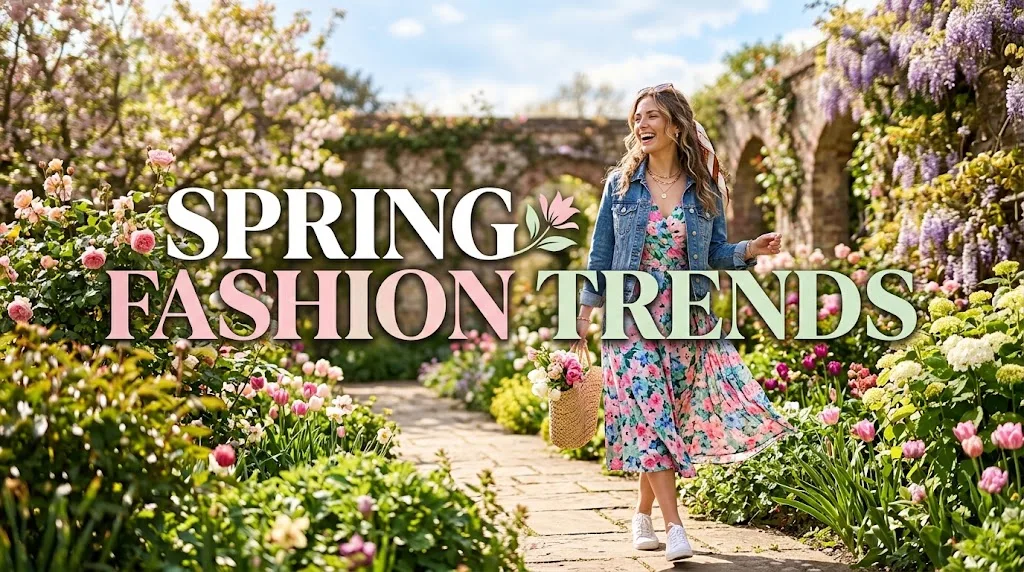
Spring has a way of making people want to start fresh. The days get brighter, heavy coats move to the back of the closet, and suddenly even a simple outfit feels like it deserves a little more thought. That is what makes spring style so enjoyable: you do not need a completely new wardrobe to look current. A few smart updates can change the way your existing clothes feel.
The best spring fashion trends are not simply about copying what appears on a runway. They are about finding useful ideas and making them work in real life. A soft cardigan can become a polished office layer, relaxed jeans can look surprisingly elegant with the right shoes, and a beautiful color can refresh an outfit without requiring you to buy five new pieces.
This guide breaks down the season from colors and fabrics to everyday outfits, accessories, workwear, denim, dresses, and styling mistakes. Whether you love minimalist clothing, feminine looks, sporty outfits, or bold fashion, you can take the ideas that fit your personal style and leave the rest.
What are the biggest spring fashion trends?
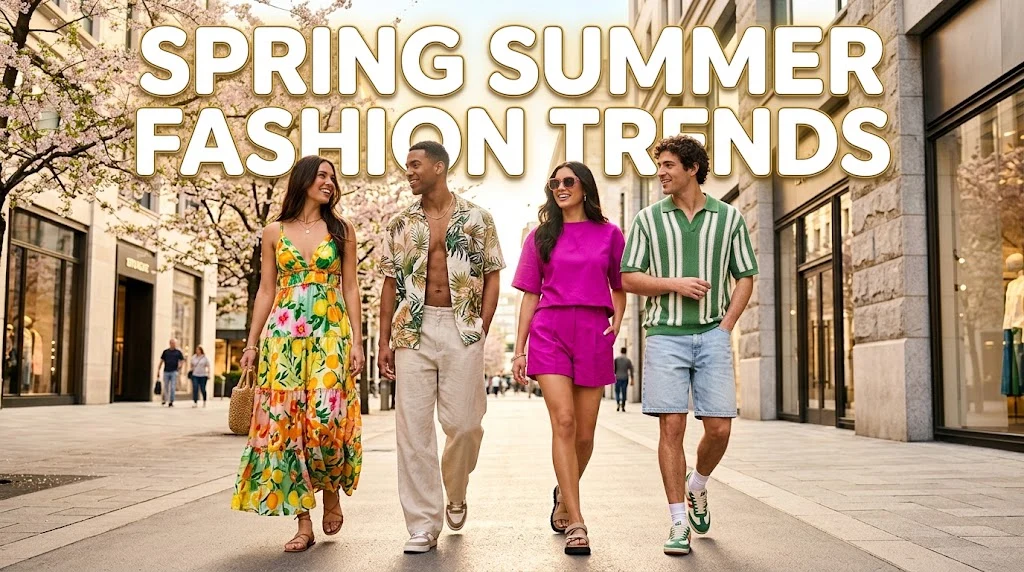
The biggest spring fashion trends usually balance freshness with practicality. Spring weather can change quickly, so the most useful trends are the ones that look stylish while giving you room to layer.
Lightweight tailoring, relaxed denim, feminine dresses, soft knitwear, statement accessories, and easy layering all have a place in a modern spring wardrobe. Instead of wearing one dramatic trend from head to toe, try combining one noticeable piece with simple basics.
For example, wide-leg trousers can feel modern with a fitted T-shirt and clean sneakers. A romantic blouse can become more casual with straight-leg jeans. Even a simple neutral dress can look completely different when you add a structured jacket and a colorful bag.
A good rule is one trend plus two familiar pieces. This keeps an outfit fashionable without making it look like you are trying too hard.
The strongest seasonal wardrobes also include:
- Lightweight jackets and blazers
- Relaxed or straight-leg denim
- Soft knit cardigans
- Feminine blouses and dresses
- Loafers, ballet flats, and clean sneakers
- Practical crossbody or shoulder bags
- Lightweight scarves
- Simple jewelry with one statement piece
The goal is not to wear everything that is trending. It is to identify the trends that naturally fit the clothes you already own.
Spring fashion trends for women
Women’s spring style offers plenty of room for personality. You can build a wardrobe around clean basics, romantic pieces, sporty layers, or a mixture of all three.
One especially useful approach is to create outfits around proportions. If you choose a loose top, balance it with a straighter or more fitted bottom. If you wear wide-leg trousers, a tucked-in top or shorter jacket can help define your shape.
For a relaxed daytime outfit, try straight jeans, a lightweight knit top, a cropped jacket, and comfortable flats. For something more polished, switch the flats for loafers and add a structured handbag.
If you prefer feminine fashion, a midi dress with a lightweight cardigan creates an easy spring look. A belt can add shape, while delicate jewelry keeps the outfit refined.
There is also no reason to abandon darker colors simply because spring has arrived. Navy, chocolate brown, charcoal, cream, and black can look beautiful when combined with lighter fabrics and brighter accents.
Styling tip: Build your outfit around how you want to feel. If comfort matters most, start with relaxed trousers and practical shoes. If you want a polished appearance, begin with tailoring and then soften it with knitwear or casual accessories.
Spring fashion color trends
Color can change the mood of an entire wardrobe, which makes spring an ideal time to experiment.
Pastels remain a natural choice because they work beautifully with lighter fabrics. Soft pink, powder blue, pale yellow, lavender, and mint can add freshness without overwhelming an outfit. At the same time, richer shades such as deep red, olive, navy, and warm brown can give spring outfits more depth.
You do not have to buy a colorful wardrobe. Instead, introduce one new shade at a time.
Try a neutral outfit with a pastel handbag. Wear a cream top with pale blue jeans. Add a soft pink cardigan to an otherwise simple black-and-white outfit. These small changes can make familiar clothing feel new.
Another useful technique is color repetition. If you wear a green blouse, repeat a related green tone in your bag, earrings, or shoes. The repetition makes the outfit look intentional.
If you are unsure which colors suit you, hold the garment near your face in natural daylight. Notice whether your skin looks brighter or duller. Your best colors should make your face look lively rather than compete with it.
Spring fashion trends for casual outfits
Casual spring clothing should feel effortless, but effortless does not mean careless.
A strong everyday formula is denim + lightweight top + third layer + comfortable shoes. The third layer could be a cardigan, denim jacket, blazer, utility jacket, or lightweight trench.
For example, straight-leg jeans with a simple white T-shirt can look basic on their own. Add a cropped jacket, leather belt, small shoulder bag, and loafers, and the same foundation becomes much more polished.
For warmer afternoons, swap jeans for relaxed trousers or a midi skirt. A fitted tank with an open button-down shirt creates a practical layered outfit that can adapt to changing temperatures.
For weekends, consider:
- Relaxed jeans with a striped top
- Wide-leg trousers with a fitted tee
- Midi skirt with a simple sweater
- Casual dress with sneakers
- Utility pants with a feminine blouse
- Denim jacket over a lightweight dress
The key is choosing comfortable pieces with clean shapes. Clothes can be relaxed without looking oversized everywhere.
A common mistake is combining too many loose pieces. If your trousers are wide and your top is oversized, use a shorter jacket, tucked hem, or defined waist to create structure.
Spring fashion trends for workwear
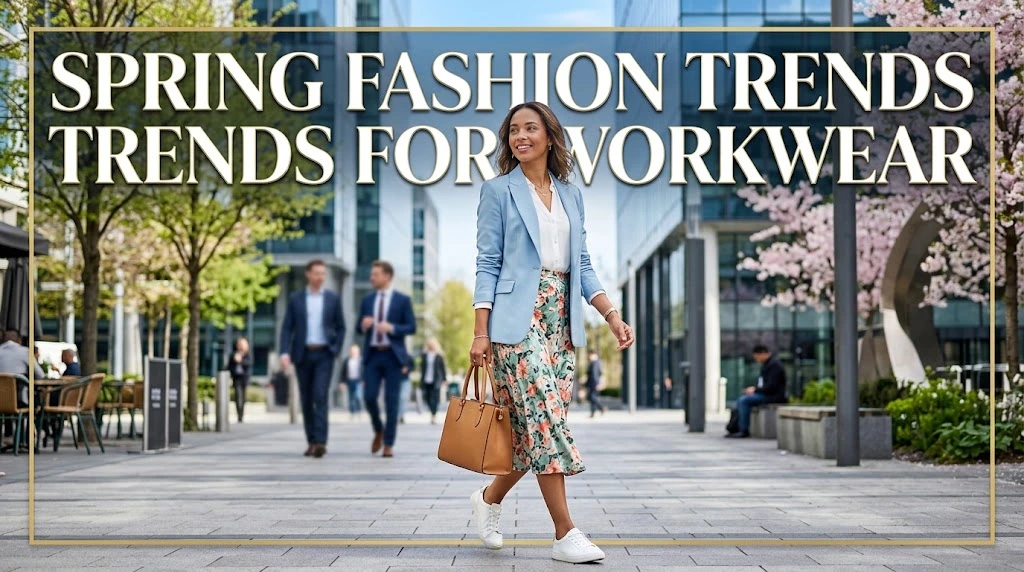
Spring workwear benefits from lighter fabrics and softer combinations while still maintaining a professional appearance.
A blazer remains one of the most useful pieces because it instantly adds structure. Choose a lightweight version that works over shirts, knit tops, dresses, and simple T-shirts.
Wide-leg trousers are another versatile option. Pair them with a tucked-in blouse and pointed flats for a refined office outfit. If your workplace is more relaxed, clean sneakers can work with tailored trousers and a structured jacket.
A neutral base makes workwear easier. Start with navy, beige, gray, cream, brown, or black, then introduce seasonal color through a blouse, bag, scarf, or shoes.
For a feminine office look, try a midi skirt with a fine-knit top and a tailored jacket. Keep accessories simple and choose a shoe that is comfortable enough for a full workday.
Expert tip: Think about movement when shopping for spring workwear. A beautiful jacket is not useful if you cannot comfortably raise your arms, sit at your desk, or commute in it.
Spring fashion trends for dresses and skirts
Dresses and skirts naturally become more appealing as temperatures rise. The trick is choosing silhouettes that fit your lifestyle rather than buying a style simply because it is popular.
A midi dress is one of the easiest spring choices because it works across many settings. Wear it with flats for daytime, sneakers for a casual look, or low heels for dinner.
Shirt dresses are especially practical because they offer structure without feeling stiff. A belt can define the waist, while an open lightweight jacket adds another layer.
If you prefer skirts, try a midi skirt with a fitted knit top. The contrast between a streamlined top and fuller skirt creates a balanced silhouette.
Mini skirts can also work beautifully in spring. Keep the rest of the outfit simple if the skirt has a bold print or strong shape. A plain knit top and understated shoes allow the skirt to become the focus.
When choosing a dress, pay attention to fabric. Lightweight cotton, linen blends, soft viscose, and breathable knits can feel more comfortable during warmer days.
Do not forget the practical details. Check whether the dress works with your usual bra, whether it wrinkles easily, and whether you can comfortably walk and sit in it.
Spring fashion trends in denim
Denim remains a wardrobe foundation because it is easy to style and works with almost everything.
Straight-leg jeans offer a reliable middle ground between skinny and extremely wide silhouettes. Wide-leg jeans create a more relaxed appearance, while cropped denim can highlight flats, loafers, and sneakers.
The wash also changes the mood. Dark denim looks more polished, medium blue feels classic, and lighter washes often create a casual spring appearance.
Try these combinations:
- Light-wash jeans + white shirt + loafers
- Straight jeans + cardigan + ballet flats
- Wide-leg jeans + fitted tank + blazer
- Dark jeans + blouse + low heels
- Relaxed denim + striped shirt + sneakers
One mistake I often see is choosing denim based only on the trend rather than the fit. A popular silhouette will not automatically look good if the rise, length, or waist placement feels wrong.
Pay attention to the hem. Wide-leg jeans often look best when they fall cleanly over the shoe rather than stopping at an awkward point.
Spring layering ideas for changing weather
Spring layering is less about wearing many clothes and more about choosing the right lightweight layers.
Morning temperatures can feel cool while afternoons become warm, so an outfit that cannot adapt quickly can become uncomfortable.
Start with a breathable base layer. Add a cardigan, overshirt, blazer, or light jacket. If you need more warmth, choose a scarf rather than immediately reaching for a heavy coat.
A simple example is a cotton T-shirt under a cardigan with straight-leg jeans. If the afternoon becomes warmer, remove the cardigan and carry it over your shoulders or in your bag.
A lightweight trench can also be extremely useful for rainy or windy days. Keep the underneath layers relatively thin so the coat does not make the outfit bulky.
Good spring layers include:
- Lightweight cardigans
- Cotton overshirts
- Cropped jackets
- Unstructured blazers
- Denim jackets
- Lightweight trenches
- Thin knit sweaters
- Button-down shirts
Avoid putting thick fabrics on top of each other. A chunky sweater under a structured jacket can quickly feel restrictive.
Instead, think in terms of thin layers that work independently.
Spring fashion trends for shoes
Shoes can completely change the personality of a spring outfit.
Ballet flats offer a feminine finish and work well with jeans, trousers, skirts, and dresses. Loafers bring a more structured feeling, especially with tailored trousers or straight denim.
Clean sneakers remain useful for casual outfits. Choose a simple shape if you want maximum versatility.
Low heels and slingbacks can dress up an outfit without the commitment of a very high heel. They work particularly well for dinners, events, and polished daytime looks.
Consider your lifestyle before buying a seasonal shoe. If you walk frequently, comfort should be part of the style decision rather than an afterthought.
A few useful spring shoe categories are:
- Ballet flats for feminine outfits
- Loafers for polished everyday looks
- Minimal sneakers for casual styling
- Slingbacks for dressier outfits
- Low block heels for comfort and height
- Simple sandals for warmer days
Common mistake: buying a beautiful shoe that works with only one outfit. A better purchase should work with at least three or four pieces already in your wardrobe.
Spring fashion trends for accessories
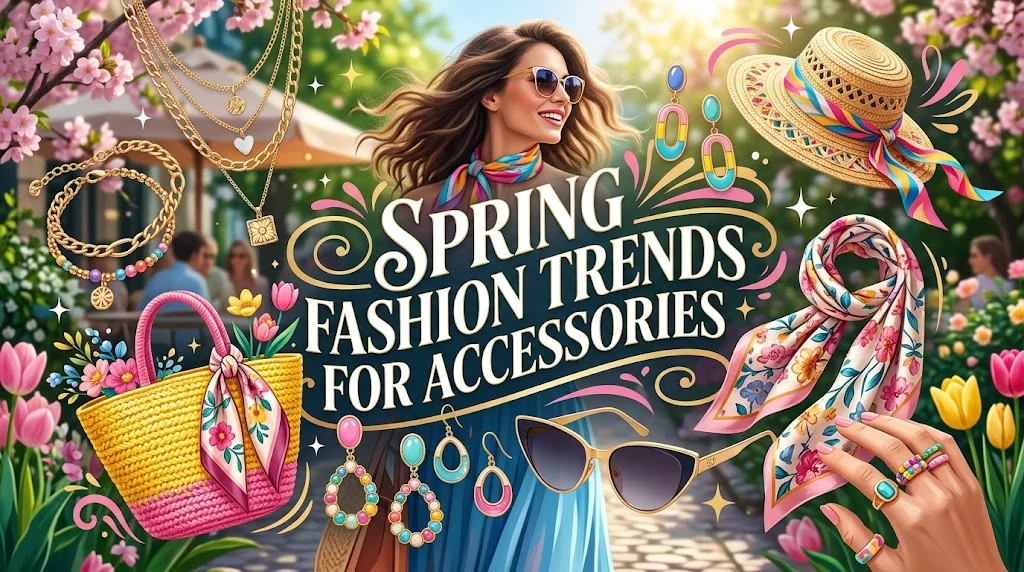
Accessories are one of the easiest ways to update your wardrobe without replacing it.
A structured handbag can make relaxed clothing look more polished. A colorful scarf can bring new life to neutral clothing. Sunglasses add a finishing touch, while simple earrings can make even a basic T-shirt feel intentional.
Jewelry does not need to be complicated. Small hoops, a delicate chain, a watch, or a few carefully chosen rings can create a finished appearance.
Belts are particularly useful when proportions feel loose. Adding a belt to high-waisted trousers or a relaxed dress can define the waist and create a more balanced silhouette.
When using accessories, choose one focal point. If your bag is bold, keep the jewelry quieter. If you are wearing statement earrings, you may not need a dramatic necklace as well.
The best accessories should look like part of the outfit rather than decorations added at the last second.
Spring fashion trends for minimalist style
Minimalist spring fashion is about making simple clothing look intentional.
You do not need a closet full of basics. You need basics with good fit, useful colors, and enough variation in texture to keep outfits interesting.
A cream knit with tailored trousers can look elegant because the shapes and textures do the work. Add a leather belt and loafers, and you have a polished outfit without any loud statement piece.
For minimalist dressing, focus on:
- Clean silhouettes
- Neutral colors
- Quality-looking fabrics
- Simple accessories
- Consistent proportions
- Versatile shoes
Texture becomes especially important when your color palette is quiet. Pair cotton with knitwear, denim with silk-like fabric, or smooth tailoring with suede-inspired accessories.
The biggest mistake with minimalist style is confusing it with boring clothing. Minimalism still needs shape, contrast, texture, and personality.
A single interesting detail—a sculptural bag, unusual shoe, beautiful button, or carefully chosen piece of jewelry—can make a simple outfit memorable.
Spring fashion trends for romantic and feminine looks
Romantic spring fashion works especially well when delicate details meet everyday pieces.
Instead of creating a very formal feminine outfit, try mixing soft and structured elements. A lace-trimmed blouse with straight jeans feels more modern than pairing it with another highly decorative piece.
Floral prints, soft colors, flowing skirts, delicate cardigans, and subtle ruffles can all create a romantic mood. The important part is balance.
For example, wear a floral midi dress with simple sneakers. Or pair a feminine blouse with dark denim and loafers. These combinations prevent the outfit from feeling overly sweet.
If you love feminine style, look for details such as:
- Soft draping
- Small floral prints
- Delicate necklines
- Lightweight cardigans
- Midi skirts
- Fine jewelry
- Soft neutral or pastel colors
Avoid piling every romantic detail into one outfit. One or two feminine elements usually look more sophisticated than six competing details.
Spring fashion trends for different body shapes
There is no single body shape that looks good in only one type of clothing. Styling is more useful when it focuses on proportions, comfort, and personal preference.
If you want to define your waist, try tucked-in tops, wrap shapes, belts, or high-rise bottoms. If you prefer a longer vertical line, choose similar colors on top and bottom and avoid unnecessary visual breaks.
For wider-leg trousers, a more fitted or neatly tucked top can create balance. With a slim bottom, you can comfortably experiment with a relaxed shirt or oversized jacket.
If you want to emphasize your shoulders, structured jackets and interesting necklines can help. If you prefer to draw attention toward your legs, shorter hemlines or statement shoes can create that effect.
Most importantly, ignore the idea that certain clothes are automatically “wrong” for a body type. Fit matters more than fashion rules.
A garment that sits correctly at the shoulders, waist, hips, and hem will usually look better than a supposedly “flattering” style that does not fit your body comfortably.
How to build a spring capsule wardrobe
A spring capsule wardrobe makes getting dressed easier because each piece has a clear purpose.
Start with a small foundation of neutral clothing. Then add a few seasonal colors and one or two personality pieces.
A practical spring capsule might include:
- 2 pairs of jeans
- 1 pair of tailored trousers
- 1 midi skirt
- 2 T-shirts
- 2 lightweight knit tops
- 1 button-down shirt
- 1 cardigan
- 1 blazer
- 1 lightweight jacket
- 1 versatile dress
- 1 pair of sneakers
- 1 pair of loafers or flats
- 1 dressier shoe
- 1 everyday handbag
You can adjust this list based on your lifestyle. Someone who works from home may need fewer office pieces, while someone with a formal workplace may need more tailoring.
Before shopping, make three outfits from each item you already own. If a new purchase does not work with at least three existing pieces, think twice.
This simple test can prevent impulse purchases and help you build a wardrobe that actually works.
How to wear spring fashion trends without overspending
Following fashion does not mean buying a new wardrobe every season.
The smartest way to refresh your style is to identify what already works and update only the weak points.
Start by looking through your closet. Maybe you already own great jeans but need a better spring jacket. Perhaps your dresses are useful but your shoes make them feel dated. Or you may simply need a few accessories.
Prioritize purchases that can create multiple outfits.
For example, a lightweight blazer can work with jeans, trousers, skirts, and dresses. A versatile cardigan can be worn over shirts, tanks, and dresses. A good pair of flats can work across casual and polished outfits.
Before buying a trend, ask:
- Will I wear this at least ten times?
- Does it work with my current wardrobe?
- Is the fabric suitable for my climate?
- Can I style it for more than one occasion?
- Do I genuinely like it, or am I buying it because everyone else is wearing it?
Trends should serve your wardrobe, not control it.
Common spring styling mistakes to avoid
Even a beautiful wardrobe can feel awkward when the proportions or practical details are overlooked.
One common mistake is wearing too many trends together. A statement top, oversized denim, dramatic shoes, large jewelry, and a bold bag may all look interesting separately, but together they can compete.
Another mistake is ignoring the weather. Spring outfits should be adaptable. If you know your day will include a cool morning and warm afternoon, build around removable layers.
Poor fit is another issue. Clothing that pulls at buttons, bunches at the waist, or has an awkward trouser length can make an otherwise stylish outfit look unfinished.
Watch out for these problems:
- Too many oversized pieces at once
- Heavy fabrics on warm days
- Shoes that look good but hurt after an hour
- Buying trends that do not match your lifestyle
- Ignoring garment length and proportions
- Over-accessorizing
- Choosing color without considering the rest of the outfit
The easiest solution is to pause before leaving the house and check the outfit as a whole. Look at the silhouette, not just individual pieces.
If one item feels too loud, remove something else. If the outfit feels shapeless, define one area. If it feels boring, add texture or one interesting accessory.
How to create effortless spring outfits
Effortless style is rarely accidental. It usually comes from having a few reliable outfit formulas that you can repeat and adapt.
One of the easiest formulas is jeans + simple top + lightweight jacket + polished shoe. It works for shopping, lunch, casual meetings, and weekend plans.
Another is midi dress + cardigan + flats. This is especially useful when you want to look feminine without spending a lot of time choosing separate pieces.
For a modern work outfit, try tailored trousers + fitted knit + blazer + loafers. For a relaxed day, switch the blazer for an overshirt and the loafers for sneakers.
You can also create interest through small contrasts. Pair something feminine with something casual. Combine a structured piece with a soft one. Mix a relaxed silhouette with a sharper accessory.
The secret is consistency. When your clothes fit well and your colors work together, you need fewer styling tricks.
Spring fashion should make getting dressed feel exciting, not stressful.
Conclusion: making spring style your own
The most useful spring fashion trends are the ones that make your existing wardrobe more flexible, comfortable, and expressive. You do not need to chase every new silhouette or completely change your personal style when the season changes.
Start with the basics that already make you feel good. Add lighter layers, fresh colors, updated denim, practical shoes, and a few thoughtful accessories. Then experiment with proportions until the outfit feels balanced.
Remember that good style is not about wearing the most fashionable item in the room. It is about knowing why an outfit works and adapting that knowledge to your own life.
Choose trends that fit your body, climate, routine, budget, and personality. When you do that, spring fashion stops being a list of rules and becomes what it should be: a fun way to express yourself.
FAQs About Spring Fashion Trends
1. What are the key spring fashion trends?
Key spring trends include lightweight layering, relaxed tailoring, updated denim, feminine dresses, soft knitwear, versatile flats, loafers, fresh colors, and practical accessories. The best choices depend on your personal style and daily routine.
2. What colors are popular for spring fashion?
Soft pink, powder blue, lavender, pale yellow, mint, cream, navy, olive, and rich red can all work well for spring outfits. You can introduce seasonal colors through small accessories instead of changing your entire wardrobe.
3. What should I wear in spring when the weather changes during the day?
Use lightweight layers. Start with a breathable top and add a cardigan, blazer, overshirt, or light jacket that you can remove when temperatures rise.
4. What are the best spring outfits for everyday wear?
Jeans with a simple top and lightweight jacket are an easy choice. Dresses with sneakers, trousers with knit tops, and skirts with cardigans are also practical combinations for everyday spring dressing.
5. How can I follow spring trends without spending too much?
Shop your closet first. Then buy versatile pieces that work with several items you already own. Prioritize clothing you can wear repeatedly rather than one-season statement pieces.
6. How can I make simple spring outfits look more stylish?
Focus on fit, proportions, and accessories. A tucked-in top, good belt, polished shoes, structured bag, or lightweight jacket can make a basic outfit look much more intentional.
7. How do I choose spring trends that suit me?
Consider your lifestyle, comfort, preferred colors, body proportions, and existing wardrobe. Try one trend at a time and keep the pieces that make you feel confident and comfortable.