
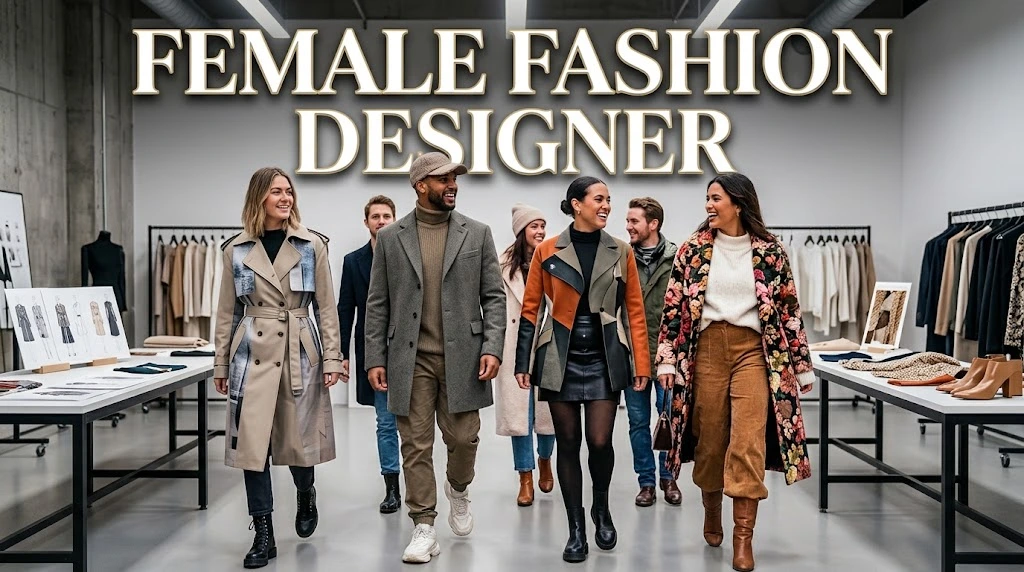
Fashion has a way of telling a story before we say a single word. A beautiful dress can make someone feel confident. A well-cut jacket can change the way a person carries themselves. Behind many of those powerful moments is a creative mind who understands that clothing is about much more than fabric.
A female fashion designer can turn an idea into something people can wear, love, and remember. She may sketch a gown by hand, choose fabrics for a new collection, create everyday clothing, manage a fashion brand, or work behind the scenes for a major label. The career can look glamorous from the outside, but successful designers combine creativity with business sense, patience, technical knowledge, and a strong understanding of people.
Women have also played an important role in shaping modern fashion. Designers such as Coco Chanel, Elsa Schiaparelli, Diane von Furstenberg, Vivienne Westwood, Donna Karan, Stella McCartney, and many others have shown how personal ideas can influence the way millions of people dress.
Today, fashion design is changing quickly. Social media, sustainable materials, digital design tools, independent brands, and direct-to-consumer businesses have opened new doors. You no longer need to fit one traditional career path to build a name in fashion.
Whether you want to become a designer, understand what a fashion designer does, start your own label, or simply learn more about influential women in fashion, this guide will help you understand the industry from the inside.
What Does a Female Fashion Designer Do?
A female fashion designer creates clothing and accessories by combining artistic ideas with practical design skills. Her work may include everything from the first sketch to the finished garment.
The exact job depends on where she works. A designer at a large fashion house may focus on one part of the creative process, while an independent designer may handle nearly everything herself.
Common responsibilities include:
- Researching fashion and consumer trends
- Creating mood boards and design concepts
- Sketching clothing ideas
- Selecting fabrics, colors, prints, and trims
- Developing patterns or working with pattern makers
- Creating samples and prototypes
- Fitting garments on models
- Adjusting designs for comfort and movement
- Working with manufacturers and suppliers
- Preparing collections for presentations or fashion shows
- Planning seasonal collections
- Understanding customer preferences
- Helping with pricing and product development
A designer also needs to think about how clothing works in real life.
For example, a beautiful evening dress may look impressive on a runway, but it still needs to fit properly, allow movement, and feel comfortable enough for the person wearing it. Good design balances beauty, function, comfort, and identity.
That balance separates a creative idea from a successful fashion product.
How to Become a Female Fashion Designer
There is no single route into fashion design. Some designers study fashion formally, while others learn through practical experience, internships, sewing, independent projects, or years of working in the industry.
A strong starting point is to learn the fundamentals.
You should understand basic drawing, color theory, textiles, garment construction, fashion history, and sewing. You do not need to become an expert at everything immediately. However, knowing how clothing is actually made will make your creative decisions much stronger.
Education can help, especially if you want to work for an established fashion company. Fashion schools and university programs may offer courses in fashion design, textile design, merchandising, pattern making, or apparel production.
But education alone does not create a designer.
Your portfolio often matters just as much. A portfolio should show how you think, not simply how well you draw. Include sketches, fabric experiments, finished garments, mood boards, technical drawings, and photographs of your work.
If you are starting from home, begin small.
Design five outfits around one clear idea. Sketch them, choose fabrics, make samples, photograph the finished pieces, and explain why you made each decision. This simple project can become the beginning of a serious portfolio.
Skills Every Female Fashion Designer Needs
Fashion design requires more than creativity. A designer may have a wonderful imagination, but she also needs technical and professional skills to turn ideas into products.
One of the most important skills is visual thinking. Designers must imagine how fabric, color, proportion, texture, and shape will work together.
Technical knowledge is equally important.
A designer should understand measurements, garment construction, seams, silhouettes, fabrics, and basic pattern development. Even designers who do not personally sew every garment benefit from knowing how construction works.
Communication also matters.
Fashion is collaborative. Designers regularly work with pattern makers, sample makers, buyers, photographers, models, manufacturers, marketing teams, and business partners.
Other valuable skills include:
- Creative problem-solving
- Trend research
- Time management
- Presentation skills
- Basic business knowledge
- Digital design
- Understanding of textiles
- Attention to detail
- Adaptability
- Customer awareness
One practical tip is to develop skills in groups rather than trying to master everything at once.
For example, spend one month improving sketching, then focus on fabric knowledge, followed by garment construction. This creates steady progress without making the learning process overwhelming.
Famous Female Fashion Designers Who Changed the Industry
Fashion history is filled with women who challenged expectations and changed how clothing could look, feel, and function.
Coco Chanel transformed women’s fashion by introducing a more relaxed approach to dressing and helping popularize simple, practical silhouettes. Her influence continues through Chanel’s use of clean lines, refined details, and recognizable design codes.
Elsa Schiaparelli became known for imaginative designs that connected fashion with art and surrealism. Her work demonstrated that clothing could be playful, unexpected, and intellectually creative.
Diane von Furstenberg became famous for the wrap dress, a design that combined practicality with a flattering shape. Her career shows how one distinctive product can become strongly associated with a designer’s identity.
Vivienne Westwood used fashion as a creative and cultural form of expression. Her work challenged traditional ideas and helped bring punk influences into high fashion.
Stella McCartney has made sustainability a major part of her brand identity. Her approach demonstrates how environmental concerns can become part of a modern fashion business rather than simply an additional marketing message.
These designers had very different aesthetics. That is an important lesson for anyone entering fashion: you do not need to copy another designer’s style to succeed.
You need to discover what makes your point of view recognizable.
Female Fashion Designer vs. Fashion Stylist
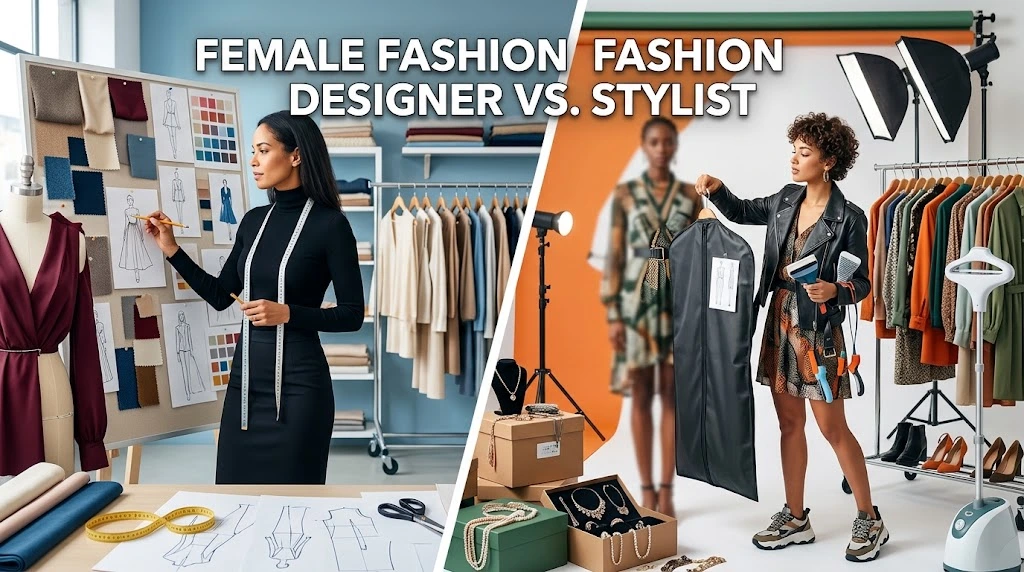
People often confuse fashion designers and fashion stylists, but they perform different jobs.
A fashion designer creates clothing or accessories. She decides the shape, materials, colors, construction, and overall concept of a garment or collection.
A fashion stylist works primarily with existing clothing and accessories to create a particular look.
For example, imagine a designer creates a black blazer. A stylist might combine that blazer with wide-leg trousers, a simple top, statement jewelry, and specific shoes for a magazine shoot.
The designer creates the product.
The stylist creates the complete visual presentation.
Both careers require strong knowledge of fashion, but their daily work can be very different.
If you enjoy creating garments from scratch, fashion design may suit you better. If you enjoy combining clothing, building outfits, working with people, and creating visual stories, styling may be a better fit.
Some professionals eventually work across both areas.
How a Female Fashion Designer Creates a Collection
Creating a fashion collection usually starts long before the public sees a finished garment.
The designer begins with research. She may look at art, architecture, music, travel, street style, history, culture, nature, or current social trends for inspiration.
Next comes the concept.
A designer may choose a theme such as “modern garden,” “urban minimalism,” or “1970s travel.” The concept helps guide decisions throughout the collection.
Mood boards are useful at this stage. They can include:
- Color references
- Fabric samples
- Photographs
- Artwork
- Textures
- Shapes
- Historical references
- Architecture
- Typography
- Accessories
After research, the designer starts sketching.
The first sketches do not need to be perfect. They are tools for exploring ideas. Strong concepts are refined through several rounds of changes.
Then the technical work begins. Fabrics are selected, patterns are developed, and samples are produced.
Fittings are especially important because clothing often behaves differently on a real body than it does on paper.
The designer may discover that a sleeve feels too tight, a skirt hangs incorrectly, or a neckline needs more support. These details are corrected before production.
This process shows why fashion design combines art and engineering.
How to Develop a Signature Fashion Style
A recognizable design identity does not appear overnight.
It develops when a designer repeatedly makes creative choices that reflect her personal taste.
Your signature style could come from unusual tailoring, romantic dresses, bold prints, minimalist shapes, sustainable materials, dramatic silhouettes, traditional craftsmanship, or another visual language.
Start by studying your own work.
Look at ten designs you have created and ask:
- Which colors appear most often?
- Do I prefer fitted or relaxed shapes?
- What fabrics attract me?
- Are my designs romantic, modern, classic, dramatic, or casual?
- What details appear repeatedly?
- What type of woman do I imagine wearing my clothes?
Patterns will begin to appear.
Do not force a signature style simply because you think customers expect one. Your strongest identity usually develops from the things you naturally return to.
At the same time, avoid becoming too predictable.
A recognizable designer can still experiment. The goal is not to make every collection look identical. The goal is to make different collections feel like they came from the same creative mind.
Fashion Design for Different Types of Women
Good fashion design begins with understanding the person who will wear the clothing.
A designer should consider age, lifestyle, body movement, climate, occasion, culture, budget, and personal taste.
A working professional may need clothing that moves easily from meetings to dinner. A university student may want affordable pieces that can be styled several ways. Someone attending a wedding may prioritize elegance, comfort, and photographs.
These needs lead to different design choices.
For example, a designer creating everyday clothing might focus on:
- Comfortable fabrics
- Easy-care materials
- Useful pockets
- Versatile colors
- Practical silhouettes
- Durable construction
A designer creating occasionwear may focus more heavily on:
- Dramatic shapes
- Decorative details
- Luxurious fabrics
- Embellishment
- Structure
- Movement
The important point is simple: design for a real person, not an imaginary trend report.
When clothing solves a genuine problem or creates a genuine emotional response, customers notice.
Sustainable Fashion and the Modern Female Designer
Sustainability has become an important part of modern fashion conversations.
A responsible designer can consider environmental impact at several stages, including material selection, production, packaging, product lifespan, and waste.
Sustainable fashion does not simply mean using one particular fabric. It involves looking at the entire product lifecycle.
A designer might choose durable materials so garments last longer. She might produce smaller quantities to reduce unsold inventory or use deadstock fabrics that already exist.
Other approaches include:
- Repairable garment construction
- Responsible sourcing
- Lower-waste pattern cutting
- Recycled materials
- Upcycled clothing
- Small-batch production
- Reusable packaging
- Timeless designs
However, designers should avoid making broad sustainability claims without evidence.
If a brand says a product is environmentally friendly, customers deserve clear information about what makes that claim meaningful.
Transparency builds trust.
For an independent female designer, sustainability can also become a creative advantage. Thoughtful production can encourage customers to buy fewer pieces and care for them better.
How Technology Is Changing Fashion Design
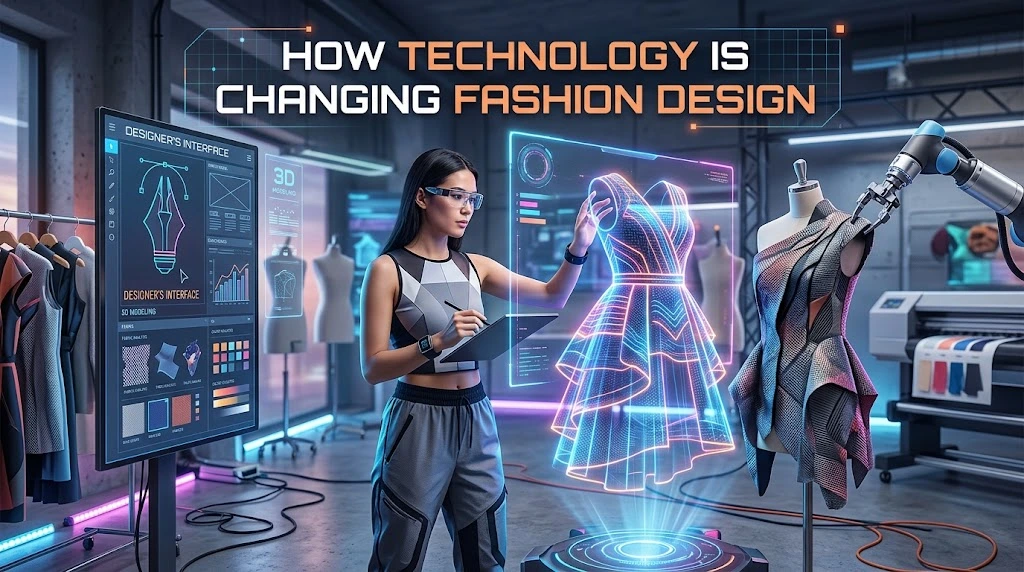
Technology has changed the way designers create, present, and sell fashion.
Digital illustration tools allow designers to test colors, patterns, and variations quickly. Computer-aided design can help with technical drawings and garment development.
Three-dimensional fashion software can also help designers visualize clothing before making physical samples.
This can reduce unnecessary sampling and speed up certain parts of the development process.
Social media has changed the business side too.
A small designer can now show her work directly to potential customers through platforms such as Instagram, TikTok, Pinterest, and other digital channels. She can build an audience without immediately needing a traditional retail network.
Online stores also allow independent labels to sell directly to customers.
Artificial intelligence is becoming another part of the wider fashion technology conversation, especially for trend research, image generation, product visualization, forecasting, and business analysis.
Still, technology should support creativity rather than replace human judgment.
Fashion depends on emotion, culture, craftsmanship, and personal taste. Those elements remain deeply human.
How to Start a Fashion Brand as a Female Designer
Starting a fashion brand can feel exciting, but it is easy to make the process more complicated than necessary.
You do not need to launch twenty products on your first day.
A focused collection of five to ten strong pieces may be easier to manage and can give customers a clearer understanding of your design identity.
Start by defining your customer.
Ask yourself who you want to serve and why she would choose your clothing.
Then develop a clear brand identity. This includes your name, visual direction, product style, price range, packaging, photography, and communication style.
Before producing large quantities, test your designs.
You can create samples, gather feedback, and make improvements before committing to a larger production run.
Keep careful records of costs. Include:
- Fabric
- Labor
- Sampling
- Packaging
- Shipping
- Photography
- Website expenses
- Marketing
- Returns
- Business overhead
Many creative businesses struggle because the designer focuses heavily on the product but not enough on pricing and cash flow.
A beautiful collection still needs a sustainable business model.
How to Build a Strong Fashion Design Portfolio
A fashion portfolio should tell a story.
Instead of filling every page with unrelated drawings, organize your work around clear projects.
For each project, show the development process.
You might begin with research images, then include a mood board, sketches, fabric choices, technical drawings, and photographs of the finished garment.
This helps an employer, client, or fashion school understand how you think.
Quality matters more than quantity.
Ten carefully developed projects can be more impressive than fifty unfinished sketches.
Your portfolio should also demonstrate range without losing your identity.
For example, if you specialize in womenswear, you might show casualwear, occasionwear, and tailored pieces while maintaining a consistent design language.
If you are applying for a specific role, customize the portfolio.
A sportswear company will likely care about different skills than a luxury eveningwear label.
This small adjustment can make your application much stronger.
Common Mistakes New Female Fashion Designers Make
New designers often make the same avoidable mistakes.
The first is following every trend.
Trends can provide inspiration, but building an entire identity around trends can make a brand look interchangeable.
The second mistake is ignoring fit.
A garment can have beautiful fabric and an excellent concept but still fail if the fit is uncomfortable or unflattering.
Another common mistake is choosing materials based only on appearance.
Fabric affects drape, movement, durability, care requirements, and production cost. Designers should understand how a material behaves before committing to it.
Poor financial planning is another major problem.
A designer may calculate fabric and sewing costs but forget photography, packaging, marketing, shipping, taxes, returns, and other expenses.
Finally, some designers try to please everyone.
That usually makes a collection less distinctive.
A stronger approach is to understand your ideal customer deeply and create products that genuinely suit her.
How to Style and Wear Pieces From a Female Fashion Designer
Designer clothing does not always need complicated styling.
In fact, simple styling often allows a strong garment to become the focus.
If you own a statement jacket, pair it with a plain top and simple trousers. If you have a dramatic printed dress, keep shoes and accessories understated.
For everyday designer pieces, think about balance.
A structured blazer can look relaxed with denim and sneakers. A feminine blouse can feel modern with straight-leg trousers. A bold skirt can work beautifully with a simple knit top.
Accessories should support the outfit rather than compete with every element.
Also consider proportion.
If you wear an oversized top, a cleaner or more fitted bottom can create balance. If your trousers are wide and flowing, a more structured top can give the outfit shape.
Most importantly, wear clothing in a way that feels like you.
The best designer piece is not the one that receives the most attention. It is the one that makes you feel comfortable, confident, and genuinely yourself.
Career Opportunities for a Female Fashion Designer
Fashion design can lead to many careers beyond becoming the creative director of a major fashion house.
Possible paths include:
- Womenswear designer
- Menswear designer
- Childrenswear designer
- Textile designer
- Accessories designer
- Costume designer
- Technical designer
- Pattern maker
- Product developer
- Fashion illustrator
- Creative director
- Fashion entrepreneur
- Sustainable fashion consultant
- Design educator
Some designers work for established brands. Others become freelancers or start their own labels.
There are also opportunities in costume design for film, television, theater, advertising, and entertainment.
The fashion industry also needs professionals who understand both design and technology.
That means learning digital tools, e-commerce, content creation, or data analysis can expand your career options.
Do not feel pressured to choose one permanent path at the beginning.
Your career may evolve as you discover what parts of fashion you enjoy most.
FAQs About Becoming a Female Fashion Designer
1. What is a female fashion designer?
A female fashion designer is a woman who creates clothing, accessories, or fashion collections. Her work can include research, sketching, fabric selection, garment development, fitting, production, and collection planning.
2. What qualifications do you need to become a female fashion designer?
A formal fashion design degree can be helpful, but it is not always required. Practical skills, a strong portfolio, industry experience, sewing knowledge, and a clear creative point of view can also help you build a career.
3. Can I become a fashion designer without going to fashion school?
Yes. You can learn through sewing classes, online education, books, internships, personal projects, apprenticeships, and practical experience. A strong portfolio can demonstrate your ability even without a traditional fashion degree.
4. Who is the most famous female fashion designer?
There is no single answer because fame depends on the period and type of fashion being considered. Coco Chanel is one of the most widely recognized female designers in fashion history, while designers such as Vivienne Westwood, Diane von Furstenberg, Stella McCartney, and Elsa Schiaparelli have also had major influence.
5. How much does a female fashion designer earn?
Income varies greatly depending on experience, location, employer, specialty, and whether the designer owns a business. An employee may receive a regular salary, while an independent designer’s income can change significantly from one season or collection to another.
6. What skills are most important for a female fashion designer?
Creativity, garment construction, textile knowledge, communication, trend research, problem-solving, attention to detail, and business awareness are all valuable. A designer also needs patience because developing a strong collection often requires many rounds of changes.
7. How can I start my own fashion brand?
Start with a focused customer, a clear design identity, and a small collection. Develop samples, calculate your complete costs, test customer interest, build a strong visual identity, and grow production gradually instead of investing heavily before you understand demand.
Fashion is ultimately about people. The most successful designers understand that clothing is not simply something placed on a hanger. It becomes part of someone’s morning routine, first impression, celebration, confidence, memory, and personal identity.
That is why becoming a female fashion designer can be such a rewarding creative career. You get to combine imagination with craftsmanship and turn ideas into something that exists in the real world.
The strongest designers are not necessarily the ones who follow every trend first. They are the ones who notice what people need, understand how clothing makes people feel, and develop a point of view that is unmistakably their own.
If you are starting today, do not wait for the perfect studio, perfect sketchbook, or perfect collection. Start with one idea. Develop it carefully. Learn from the mistakes. Make something with your hands. Study how it fits. Ask what could be better.
Then do it again.
Over time, those small projects become experience, experience becomes confidence, and confidence can become a distinctive fashion career.
The future of fashion will need designers who are creative, thoughtful, technically capable, and willing to question old ways of doing things. With patience and a clear vision, there is plenty of room for the next generation of women to make their mark.
2 thoughts on “female fashion designer”