Fashion has a funny way of changing how we feel. Sometimes, putting on the right dress can turn an ordinary morning into a day when you walk a little taller, smile a little more, and feel completely comfortable in your own skin. The good news is that staying stylish does not mean replacing your entire wardrobe every season.
The latest fashion dress styles are all about finding that sweet spot between current trends and clothes that genuinely suit your life. Designers and everyday dressers are embracing more wearable shapes, interesting textures, expressive colors, relaxed tailoring, and versatile details. Instead of following every trend blindly, the smartest approach is to choose styles that work with your body, personality, budget, and daily routine.
Whether you are looking for an elegant dress for a wedding, a simple outfit for work, a casual weekend look, or something eye-catching for an evening out, there are plenty of modern options. The trick is knowing what is actually worth wearing and how to style it without making the outfit feel forced.
This guide breaks down the most useful dress trends, silhouettes, fabrics, colors, styling ideas, shopping tips, and common mistakes so you can make better choices with confidence.
What Are the Latest Fashion Dress Styles?
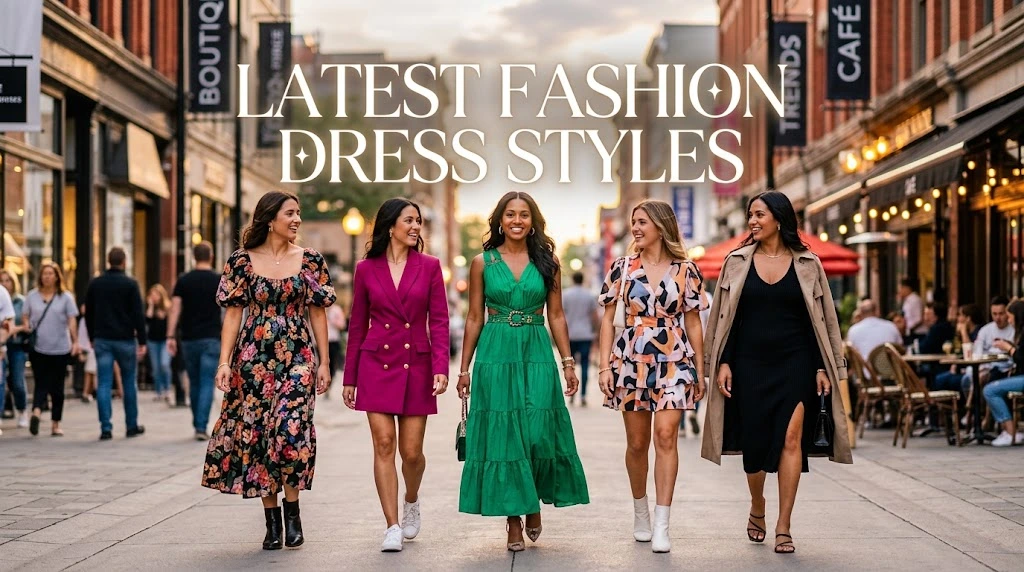
The latest dress styles focus on wearability, personality, and versatility rather than one single dominant look. Modern wardrobes include everything from relaxed shirt dresses and flowing maxi dresses to polished midi styles, structured mini dresses, slip dresses, knit designs, and romantic silhouettes.
One noticeable shift is the balance between comfort and polish. People want clothes that look intentional but still allow them to move, sit, work, travel, and enjoy their day.
Some of the strongest style directions include:
- Relaxed maxi dresses
- Feminine midi dresses
- Modern shirt dresses
- Minimal slip dresses
- Soft knit dresses
- Structured tailored dresses
- Romantic dresses with subtle volume
- Waist-defined silhouettes
- Easy day-to-night dresses
- Bold prints and expressive colors
The important point is that a trend does not automatically make a dress flattering. A beautiful dress can still feel wrong if the fabric is uncomfortable, the proportions do not suit you, or the style does not fit the occasion.
A better rule is simple: use trends as inspiration, not instructions.
For example, if oversized dresses are popular but you prefer definition at the waist, choose a flowing dress with a belt or shaped seam. You get the relaxed modern feel without losing the silhouette you enjoy.
Trending Dress Silhouettes for a Modern Wardrobe
The silhouette often matters more than the print, color, or decoration. It controls how the dress hangs on the body and strongly affects the overall mood of the outfit.
The A-line dress
An A-line shape remains one of the easiest silhouettes to wear. It fits more closely around the upper body and gradually widens toward the hem.
This shape works particularly well when you want comfortable movement without wearing something completely loose. It also transitions easily from daytime to evening.
The shirt dress
A shirt dress combines the familiar details of a button-up shirt with the ease of a dress. Look for versions with a defined waist, dropped shoulder, or relaxed fit depending on your preferred style.
For work, pair a structured shirt dress with loafers and a simple handbag. For a casual weekend, wear it with flat sandals or clean sneakers.
The slip dress
The slip dress has a simple, fluid shape and usually uses lightweight fabric with narrow straps. It can look elegant without requiring much styling.
For a less formal daytime outfit, layer it over a fitted T-shirt or under a lightweight jacket. At night, let the dress stand alone with refined jewelry and heels.
The maxi dress
Maxi dresses remain popular because they combine drama with comfort. A long flowing dress can feel effortless while still looking polished.
If a loose maxi makes you feel overwhelmed, try one with a defined waist, a V neckline, or a slit that creates visual movement.
The fitted midi
A fitted midi dress can create a clean, sophisticated appearance. It works especially well for dinners, events, office occasions, and polished daytime outfits.
The best versions allow enough room for comfortable movement. A dress that looks great while standing but restricts you when sitting is rarely a smart purchase.
Best Casual Dress Styles for Everyday Wear
A casual dress should make getting dressed easier, not more complicated. The best everyday styles can work with several pairs of shoes and adapt to changing plans.
Cotton dresses, relaxed shirt dresses, simple knit dresses, T-shirt dresses, and lightweight midi dresses are particularly practical choices.
For a simple weekend outfit, try:
- A relaxed midi dress
- White or neutral sneakers
- A crossbody bag
- Small hoop earrings
- A lightweight overshirt
The result feels put together without looking as though you spent an hour planning it.
For warmer weather, choose breathable fabrics such as cotton or linen blends. In cooler conditions, a knit dress can work beautifully with boots and a structured coat.
One of my favorite styling tricks is to buy a simple dress and change the accessories instead of buying a different dress for every occasion. A basic black midi can look casual with sneakers, professional with loafers, and elegant with heels and jewelry.
That kind of versatility gives your wardrobe much more value.
Elegant Dress Styles for Weddings and Special Events
Special occasions require more thought because the dress needs to match both the event and the setting. A wedding guest dress, for example, should feel polished without competing with the bride.
Midi dresses are a reliable choice for many daytime weddings. For evening events, a longer dress or a more refined maxi silhouette can create a stronger sense of occasion.
Consider details such as:
- The event dress code
- Time of day
- Venue
- Season
- Fabric weight
- Neckline
- Sleeve length
- Shoe choice
- Accessories
A romantic floral midi may work beautifully for a garden wedding. A sleek satin-style dress may suit an evening reception better.
Be careful with extremely casual fabrics at formal events. Jersey can be comfortable, but a very casual T-shirt-style dress may look underdressed in an elegant venue.
Likewise, you do not always need heavy embellishment to look dressed up. A well-cut dress in a rich color with beautiful shoes can create a more sophisticated result than an overly decorated outfit.
Latest Dress Trends for Work and Office Style
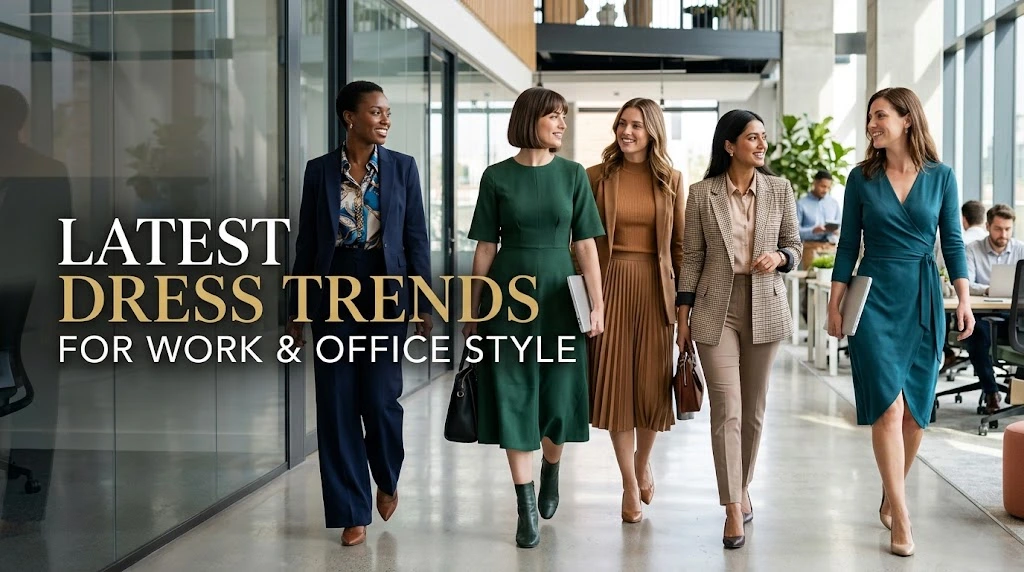
Workwear has become more flexible, but that does not mean every casual dress belongs in the office. The ideal professional dress looks polished, feels comfortable, and allows you to move through a busy day without constant adjustment.
Shirt dresses, tailored midi dresses, simple wrap-inspired styles, and structured knit dresses are useful options.
For a professional look, focus on clean lines and controlled proportions. A dress does not need to be tight to look tailored.
Try a midi dress with:
- Low-profile loafers
- A structured tote
- Minimal jewelry
- A simple belt
- A lightweight blazer
Color can also change the impression dramatically. Navy, charcoal, cream, brown, muted green, burgundy, and other refined shades can create a professional appearance without relying entirely on black.
If your workplace has a formal dress code, check the specific rules before experimenting with very short hemlines, sheer fabrics, dramatic cutouts, or casual silhouettes.
The best office dress is usually one you can wear confidently without thinking about it every five minutes.
Popular Dress Colors and Prints
Color trends change quickly, but you do not need to chase every fashionable shade. Start with colors that complement the rest of your wardrobe.
Neutrals remain valuable because they create easy outfit combinations. Black, cream, navy, gray, brown, and soft beige can serve as wardrobe foundations.
At the same time, stronger colors can make a simple dress feel fresh. Depending on the season and current fashion direction, you may see increased interest in rich reds, soft pastels, earthy greens, deep blues, warm browns, and expressive accent shades.
Prints also remain an easy way to add personality.
Popular choices include:
- Floral prints
- Stripes
- Polka dots
- Abstract patterns
- Checks
- Geometric prints
- Artistic motifs
When wearing a bold print, keep the rest of the outfit relatively simple. Let the dress become the focus instead of competing with it using a large bag, dramatic shoes, and heavy jewelry.
A useful styling formula is one statement, everything else supportive.
For example, if your dress has a large floral print, choose shoes and a bag in one of the quieter colors already found in the pattern.
Best Dress Fabrics for Comfort and Style
Fabric can make or break a dress. Two dresses with the same silhouette can look completely different because of their materials.
Cotton is a dependable choice for everyday wear because it is comfortable and breathable. Linen offers a relaxed texture that works especially well in warm weather, although it naturally wrinkles.
Knit fabrics provide stretch and comfort, making them useful for everyday dresses. However, very thin knits may reveal more than you expect, so always check the fabric under normal lighting before buying.
Satin and satin-like materials create a smooth, polished appearance and work well for evening looks. They can also highlight body contours, so consider the fit carefully.
Other useful fabric choices include:
- Chiffon for light, flowing layers
- Denim for casual dresses
- Wool blends for cooler weather
- Velvet for special occasions
- Crepe for polished silhouettes
- Jersey for relaxed comfort
Do not judge fabric only by appearance. Check whether it feels comfortable, whether it clings in unwanted places, whether it wrinkles easily, and whether it requires difficult care.
A beautiful dress that needs constant special cleaning may spend more time in your closet than on your body.
How to Choose a Dress for Your Body Shape
There is no single “correct” dress for any body shape. The goal is not to hide your body. The goal is to understand proportion and choose details that make you feel confident.
Whether you like to emphasize your waist, look for wrap-style designs, belts, shaped seams, or dresses that naturally narrow around the middle.
whether you prefer to create a longer visual line, try:
- Monochromatic colors
- Vertical details
- Longer hemlines
- Streamlined silhouettes
- Simple necklines
Wheather you enjoy drawing attention toward your shoulders or neckline, consider interesting collars, square necklines, boat necks, or subtle shoulder details.
Whether you prefer more room around the hips, an A-line or softly flowing skirt can offer comfort without looking oversized.
The most important styling rule is fit beats size. A dress labeled one size larger can look far better than a smaller dress that pulls, bunches, or restricts movement.
Never become emotionally attached to the number on a clothing tag. Brands use different sizing systems, and fit matters much more than the label.
Latest Dress Styles for Different Seasons
Seasonal dressing is about choosing the right combination of silhouette, fabric, layering, and color.
Spring
Spring is ideal for lightweight midi dresses, floral prints, soft colors, shirt dresses, and flowing silhouettes.
A simple midi can work with flats during the day and a lightweight jacket when temperatures fall in the evening.
Summer
Summer dresses should prioritize breathability. Cotton, linen blends, lightweight viscose, and other airy fabrics can help create comfortable outfits.
Loose maxi dresses, sleeveless midi dresses, relaxed shirt dresses, and simple sundresses are practical choices.
Fall
Fall makes layering more interesting. Wear a midi dress with ankle boots, a cardigan, or a structured jacket.
Darker neutrals and richer colors can create a seasonal feeling without requiring a completely new wardrobe.
Winter
Winter dresses need thoughtful layering. Knit dresses, heavier fabrics, long sleeves, tights, boots, and warm coats can work together.
Instead of buying a dress that can only be worn in cold weather, consider whether it can also work during transitional seasons with lighter layers.
How to Style the Same Dress in Different Ways
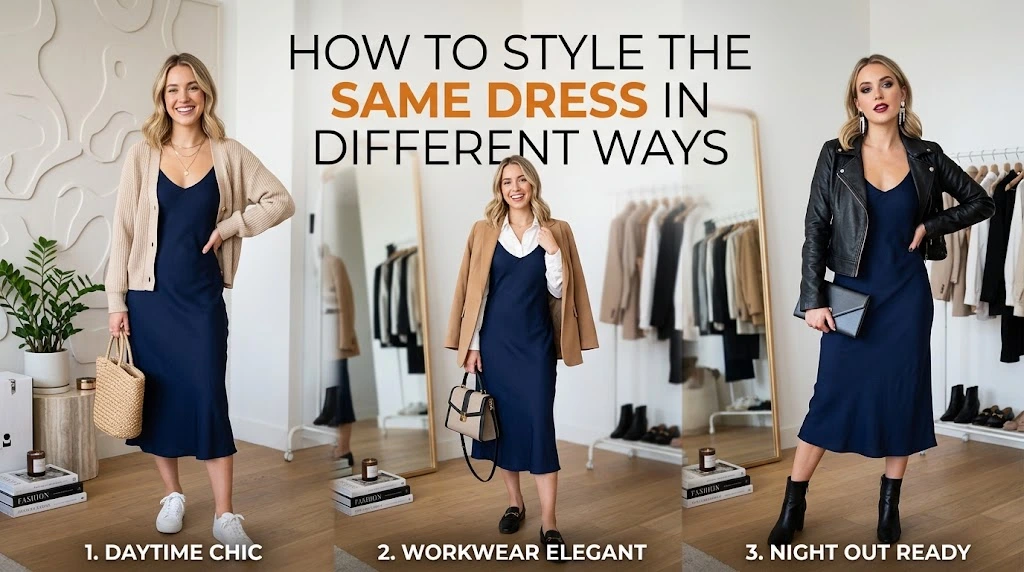
One of the smartest ways to build a fashionable wardrobe is to make individual pieces work harder.
Take a simple black midi dress. whether a casual afternoon, wear it with sneakers, a denim jacket, and a crossbody bag.
for the office, switch to loafers, a blazer, and a structured tote.
whether dinner, replace the casual accessories with heels, delicate jewelry, and a small shoulder bag.
The dress stays the same, but the outfit feels completely different.
You can use the same strategy with colorful dresses. Instead of buying another dress because you are tired of an existing one, change the layer, shoes, belt, bag, or jewelry.
Try these combinations:
- Dress + sneakers = relaxed
- Dress + loafers = polished
- Dress + boots = modern
- Dress + heels = elegant
- Dress + cardigan = soft and casual
- Dress + blazer = professional
- Dress + leather-style jacket = edgy
This approach saves money and encourages you to become more creative with clothes you already own.
Dress Styles That Flatter Without Feeling Uncomfortable
A flattering dress should not require you to spend the entire day adjusting it. Comfort is part of good style.
Pay attention to where seams sit, how the fabric behaves when you walk, and whether the neckline stays in place.
Before buying, perform a quick movement test:
- Sit down.
- Walk several steps.
- Raise your arms.
- Turn around.
- Check the neckline.
- Check whether the hem moves too much.
- Make sure you can breathe comfortably.
This sounds simple, but it can prevent many disappointing purchases.
Also check the dress from different angles. A fitting-room mirror may show only one perspective, while photos or a second mirror can reveal pulling, bunching, or uneven draping.
If a dress feels uncomfortable in the store, it is unlikely to become magically comfortable after you buy it.
How to Accessorize Modern Dress Styles
Accessories should support the dress rather than overwhelm it.
A simple dress creates room for stronger accessories. A heavily printed or embellished dress usually needs less.
Start with the neckline. If the dress already has an interesting neckline, you may not need a large necklace. Earrings or a bracelet can provide enough detail.
Belts are especially useful when you want to change the silhouette of a loose dress. A narrow belt can add subtle definition, while a wider belt creates a stronger visual statement.
Shoes also change the mood.
For example:
- Sneakers make many dresses feel casual.
- Loafers create a polished everyday look.
- Ballet flats add a softer feel.
- Ankle boots create a modern edge.
- Heels increase formality.
- Flat sandals suit relaxed warm-weather outfits.
Your bag should also match the purpose of the outfit. A large tote works for daytime and work, while a small shoulder bag or clutch often suits evening occasions better.
Common Mistakes When Buying Trendy Dresses
Following fashion can be fun, but shopping without a plan often creates a wardrobe full of clothes you rarely wear.
One common mistake is buying a dress simply because it looks impressive on a model. The model’s proportions, styling, lighting, and tailoring may differ significantly from your own situation.
Another mistake is choosing appearance over practicality. If you dislike ironing, a fabric that wrinkles heavily may frustrate you. If you walk a lot, an uncomfortable shoe-and-dress combination will quickly become a problem.
Watch for these mistakes:
- Buying the wrong size to chase a certain look
- Ignoring fabric quality
- Choosing a dress that suits only one occasion
- Wearing too many competing trends
- Forgetting the dress code
- Buying uncomfortable shoes to “complete” the outfit
- Ignoring care instructions
- Purchasing something that does not match existing wardrobe pieces
There is also a temptation to treat every social-media trend as a must-have. Resist it.
A trend becomes valuable when it improves your wardrobe, not when it simply makes you feel temporarily behind.
How to Shop for the Latest Fashion Dress Styles on a Budget
You do not need an expensive wardrobe to look current. In fact, thoughtful shopping often creates better outfits than constant buying.
Start by identifying gaps in your existing wardrobe. Maybe you need a versatile black dress, a comfortable summer maxi, or a polished option for work.
Then ask three questions before buying:
Can I wear it at least three different ways?
Does it work with shoes and accessories I already own?
Would I still want it if it were not currently trending?
If the answer is yes to all three, the purchase is more likely to earn its place in your closet.
You can also update older dresses with modern accessories. A belt, contemporary shoes, a new jacket, or different jewelry can make a familiar dress feel surprisingly fresh.
During sales, avoid buying something merely because the discount looks attractive. A cheap dress that stays unworn is still wasted money.
Look for quality construction, useful colors, comfortable fabrics, and silhouettes that can survive more than one fashion cycle.
How to Build a Versatile Dress Wardrobe
A strong dress wardrobe does not need dozens of options. It needs a useful range of styles.
A practical starting collection might include:
- One simple everyday midi
- One versatile black or neutral dress
- One casual maxi
- One polished work dress
- One special-occasion dress
- One seasonal knit dress
- One statement dress in a color or print you love
From there, add pieces according to your actual lifestyle.
If you attend formal events often, invest more in occasion dresses. If you work from home and spend weekends outdoors, prioritize comfortable casual styles.
Think about your real calendar rather than an imaginary lifestyle.
Your wardrobe should reflect what you actually do.
Also consider whether each new dress works with at least three existing items. If a dress requires a new pair of shoes, new bag, new coat, and new jewelry before you can wear it, the true cost is much higher than the price on the tag.
How to Create a Personal Style With Current Dress Trends
Trends are temporary, but personal style can last for years. The best wardrobes combine both.
Start by identifying the silhouettes you naturally reach for. Maybe you always feel confident in midi dresses. Perhaps you prefer flowing maxis, tailored shirt dresses, or fitted styles.
Next, identify your favorite colors and textures.
Then introduce trends selectively.
If you love classic clothes, add a modern bag or contemporary shoe rather than replacing your entire wardrobe. If you prefer expressive fashion, experiment with a bold print or unusual silhouette while keeping the rest of the outfit simple.
A useful formula is:
70% personal staples + 30% current trends.
This is not a strict fashion rule. It is simply a helpful way to prevent your wardrobe from becoming trend-dependent.
Most importantly, wear clothes that allow you to feel like yourself. The strongest outfit is rarely the one that follows every fashion rule. It is the one that looks intentional because the person wearing it feels comfortable and confident.
Final Thoughts on Latest Fashion Dress Styles
The latest fashion dress styles offer more choice than ever, but you do not need to follow every trend to dress beautifully. Modern fashion gives you room to mix comfort with elegance, classic silhouettes with fresh details, and personal taste with seasonal trends.
The smartest approach is to focus on fit, fabric, proportion, versatility, and confidence. Choose dresses that work for your real life, style them in different ways, and spend your money on pieces you genuinely enjoy wearing.
Remember that a fashionable dress is not necessarily the newest or most expensive one. Sometimes, the dress that makes you feel amazing every time you put it on is the best style choice in your closet.
FAQs
1. What are the latest fashion dress styles right now?
Popular modern dress directions include relaxed maxi dresses, polished midi dresses, shirt dresses, slip dresses, knit dresses, tailored silhouettes, and romantic designs with soft volume. The best choice depends on your lifestyle, body proportions, comfort preferences, and occasion.
2. Which dress style is best for everyday wear?
A versatile midi, shirt dress, relaxed maxi, or simple knit dress can work well for everyday wear. Choose a breathable, comfortable fabric and a silhouette that works with several shoes and layers.
3. What dress style looks most elegant?
Elegance usually comes from good fit, fabric, proportion, and simplicity rather than excessive decoration. A well-fitted midi or maxi in a refined color can look extremely elegant with minimal accessories.
4. Are maxi dresses still fashionable?
Yes. Maxi dresses remain a useful option because they combine comfort with a strong visual silhouette. You can make them feel current by choosing modern proportions, interesting textures, contemporary footwear, or simple accessories.
5. How do I choose a dress that flatters my body?
Start with the fit and the areas you want to emphasize. Waist definition, neckline, hemline, fabric weight, and overall proportion can all change how a dress looks. Most importantly, choose a size that allows comfortable movement instead of focusing on the number on the label.
6. How can I make an old dress look fashionable again?
Change the styling rather than immediately replacing the dress. Try new shoes, a belt, modern jewelry, a different jacket, or a new handbag. Layering can also give an older dress an entirely different appearance.
7. How many dresses should a woman have in her wardrobe?
There is no ideal number. A better goal is to own enough dresses for your actual lifestyle. A small collection of versatile everyday, work, seasonal, and special-occasion dresses can be more useful than a large wardrobe filled with pieces you rarely wear.