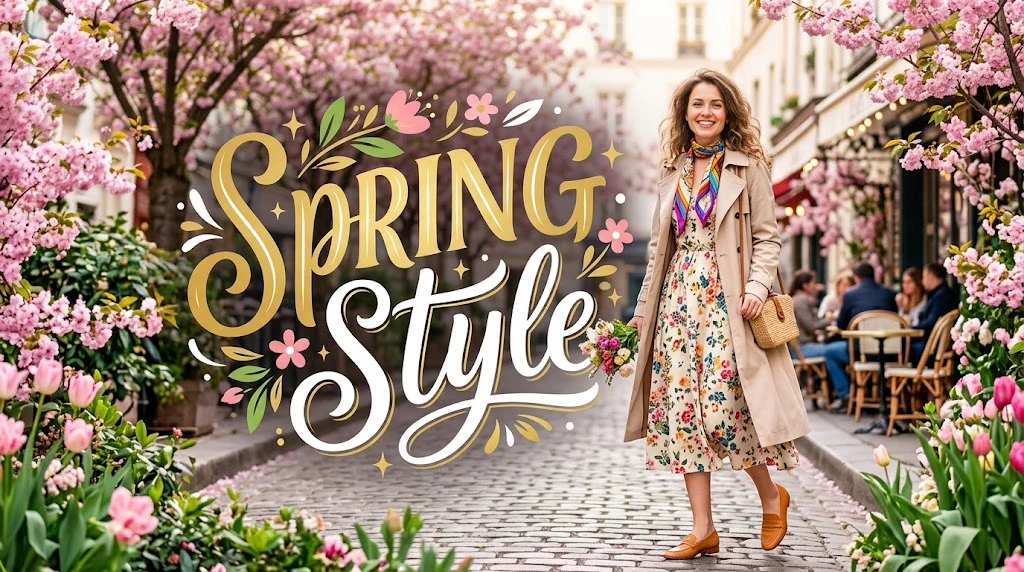
Spring has a way of making you want to change everything at once. The mornings feel lighter, the weather starts to soften, and suddenly those heavy winter layers no longer feel right. You open your closet and want something fresh—but you may still be dealing with cool mornings, warm afternoons, and weather that cannot quite make up its mind.
That is what makes spring dressing so interesting. It is not simply about putting on lighter clothes. Great spring style is about balance, comfort, color, texture, and smart layering. You want outfits that feel fresh without leaving you cold, polished without looking overdone, and current without buying an entirely new wardrobe.
The best part is that you probably already own many pieces you need. A favorite pair of jeans, a simple shirt, a lightweight cardigan, sneakers, a trench coat, or a versatile skirt can become the foundation of dozens of spring outfits.
This guide breaks down how to build those looks in a practical way. Whether you love minimalist outfits, feminine dresses, casual streetwear, office clothing, or relaxed weekend looks, you will find ideas that can work in real life.
What Is Spring Style?
Spring style is the way you dress during the transition from winter into warmer weather. It usually combines lighter fabrics, brighter or softer colors, breathable layers, and footwear that feels less heavy than traditional winter shoes.
However, spring fashion does not have one strict formula. Some people prefer soft pastels and floral prints, while others feel better in black, denim, white, beige, or earthy shades.
What matters most is creating outfits that match the season while still feeling like you.
A useful spring wardrobe often includes:
- Lightweight sweaters
- Cotton shirts and T-shirts
- Straight-leg or wide-leg jeans
- Midi or maxi skirts
- Casual dresses
- Lightweight jackets
- Cardigans
- Trench coats
- Loafers, ballet flats, or sneakers
- Small scarves and simple accessories
The real secret is versatility. Instead of collecting dozens of seasonal trends, choose pieces that can work together.
For example, a white button-down shirt can look completely different with jeans and sneakers than it does with a midi skirt and loafers. That flexibility gives your wardrobe more value.
How to Build a Spring Wardrobe
A strong spring wardrobe starts with reliable basics rather than trend-heavy purchases.
Think about what you actually wear. If you spend most of your week at work, your wardrobe should support polished office outfits. If your lifestyle is casual, comfortable denim, T-shirts, knitwear, and sneakers may deserve more attention.
Start with a small foundation.
First, choose your everyday bottoms. Straight-leg jeans, relaxed trousers, chinos, or a midi skirt can provide several outfit options.
Next, add simple tops. White, cream, black, navy, light blue, and soft gray are easy to combine. You can then introduce seasonal colors through a few statement pieces.
After that, add layers. A lightweight jacket or cardigan can make a simple outfit feel finished while also solving the problem of changing temperatures.
Finally, consider shoes and accessories. A good pair of sneakers can make a dress casual, while loafers can instantly make jeans look more polished.
Before buying something new, ask yourself three questions:
- Can I wear it with at least three things I already own?
- Can I wear it for more than one occasion?
- Does it feel comfortable enough for a normal day?
If the answer is yes to all three, it is probably a worthwhile addition.
Best Spring Colors to Wear
Color can change the entire mood of an outfit, and spring gives you plenty of room to experiment.
Soft shades such as butter yellow, pale blue, blush pink, mint, lavender, cream, and soft green can create a fresh seasonal appearance. You do not need to wear head-to-toe pastel clothing, though.
A simple approach is to keep your main outfit neutral and add one spring color.
For example, try:
- Cream trousers with a pale blue shirt
- Blue jeans with a soft yellow cardigan
- Black pants with a pink blouse
- Beige trousers with a green top
- White jeans with a lavender sweater
If bright colors are not your thing, do not force them. Spring style can look beautiful in neutrals.
White, ivory, beige, tan, denim blue, chocolate brown, gray, and black can create a sophisticated spring wardrobe. Add seasonal color through a handbag, scarf, shoes, jewelry, or one top.
One of my favorite styling tricks is to repeat a color in small amounts. A pale blue shirt paired with a blue-toned handbag or subtle blue jewelry creates a coordinated look without looking too planned.
Easy Casual Spring Outfits
Casual spring outfits should feel effortless, but effortless does not mean careless.
Start with a simple combination such as jeans and a fitted T-shirt. Add a lightweight cardigan or jacket and finish with clean sneakers.
For a slightly more interesting look, swap the T-shirt for a striped shirt. Stripes work particularly well in spring because they add visual interest without requiring a loud print.
Other easy combinations include:
- Wide-leg jeans + fitted tank + cardigan
- Straight-leg jeans + button-down shirt + sneakers
- Relaxed trousers + basic T-shirt + loafers
- Midi skirt + simple knit top + flats
- Casual dress + denim jacket + sneakers
- Cargo pants + fitted top + lightweight jacket
Proportion matters here.
If you choose loose trousers, a more fitted top can create balance. If your top has an oversized shape, straight or slimmer bottoms can prevent the outfit from looking too bulky.
The goal is not to make every casual outfit look fashionable in an obvious way. Instead, focus on good proportions, clean shoes, and thoughtful layering.
Spring Workwear Ideas
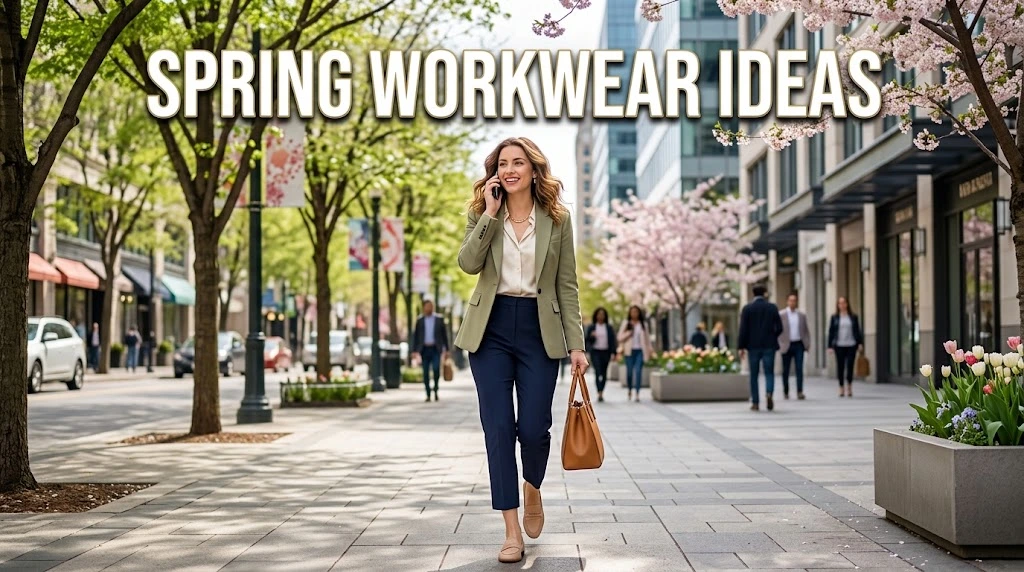
Spring office outfits can be tricky because professional clothing often involves layers, while warmer weather encourages lighter pieces.
A lightweight blazer is one of the easiest solutions. Wear it over a blouse, simple T-shirt, or fine-knit top.
For a traditional office, consider:
- Tailored trousers + blouse + lightweight blazer
- Midi skirt + knit top + loafers
- Wide-leg trousers + tucked shirt + low heels
- Straight trousers + cardigan + pointed flats
- Shirt dress + structured handbag + loafers
For a relaxed workplace, you have more freedom. Dark or medium-wash jeans can work with a polished shirt and blazer if your office allows denim.
Avoid relying too heavily on heavy fabrics. Thick wool coats and chunky sweaters can make a spring work outfit feel visually heavy, especially later in the season.
Instead, look for cotton, linen blends, lightweight knitwear, poplin, and other breathable materials.
A simple styling rule works well: one structured piece plus one relaxed piece.
For example, pair tailored trousers with a soft knit top. Or wear relaxed jeans with a sharp blazer. The contrast keeps the outfit professional without making it stiff.
Spring Dresses for Everyday Wear
Few clothing pieces capture the feeling of spring as easily as a dress.
A casual spring dress does not have to be covered in flowers. A simple solid-color dress can be just as seasonal when you style it with the right accessories.
Look for comfortable silhouettes that suit your normal routine. Shirt dresses, midi dresses, relaxed maxi dresses, wrap styles, and simple A-line shapes can all work beautifully.
For daytime, try a midi dress with sneakers. Add a denim jacket if the weather is cool.
For a slightly dressier occasion, switch to flats, loafers, or low heels and add a structured bag.
If the weather changes throughout the day, use a cardigan or lightweight jacket as your extra layer.
Pay attention to fabric as well. A dress may look beautiful online but feel uncomfortable after a few hours if the material traps heat or does not move well.
For everyday spring dressing, comfort should be part of the style decision, not an afterthought.
How to Layer Clothes in Spring
Spring layering is less about piling clothes on and more about choosing the right weight.
You might leave home when the temperature feels cool, spend lunchtime in warm sunshine, and return home when the evening becomes chilly again. A good outfit should handle all three situations.
Start with a lightweight base layer. A T-shirt, tank top, blouse, or thin knit works well.
Then add one removable layer, such as:
- Cardigan
- Denim jacket
- Lightweight blazer
- Trench coat
- Overshirt
- Cotton jacket
If you need additional warmth, add a thin scarf rather than automatically reaching for a heavy coat.
Layering also creates visual interest. A white shirt underneath a sweater, for instance, adds a small amount of contrast around the neckline and cuffs.
The biggest mistake is using layers that are too bulky. Three thick pieces can make an outfit uncomfortable and restrict movement.
Instead, use thin layers that work independently. That way, you can remove one without ruining the entire outfit.
Spring Style for Changing Weather
Spring weather can be unpredictable, so practical dressing matters.
A beautiful outfit is not very useful if you spend the entire day uncomfortable because you underestimated the weather.
Check the temperature and conditions before choosing your outfit. If rain is likely, practical shoes and a water-resistant outer layer may be more useful than delicate footwear.
For cool mornings, try:
Jeans + T-shirt + cardigan + lightweight coat
As the day warms up, remove the coat and carry it over your arm or keep it somewhere convenient.
On warmer days, breathable fabrics become more important. Cotton, linen, and lightweight blends can help you stay comfortable.
If wind is expected, a lightweight jacket can be more useful than a thin cardigan. If rain is likely, consider a trench or another practical outer layer.
Good spring style should respond to the weather rather than ignore it.
Spring Shoes That Complete an Outfit
Shoes can completely change the personality of a spring outfit.
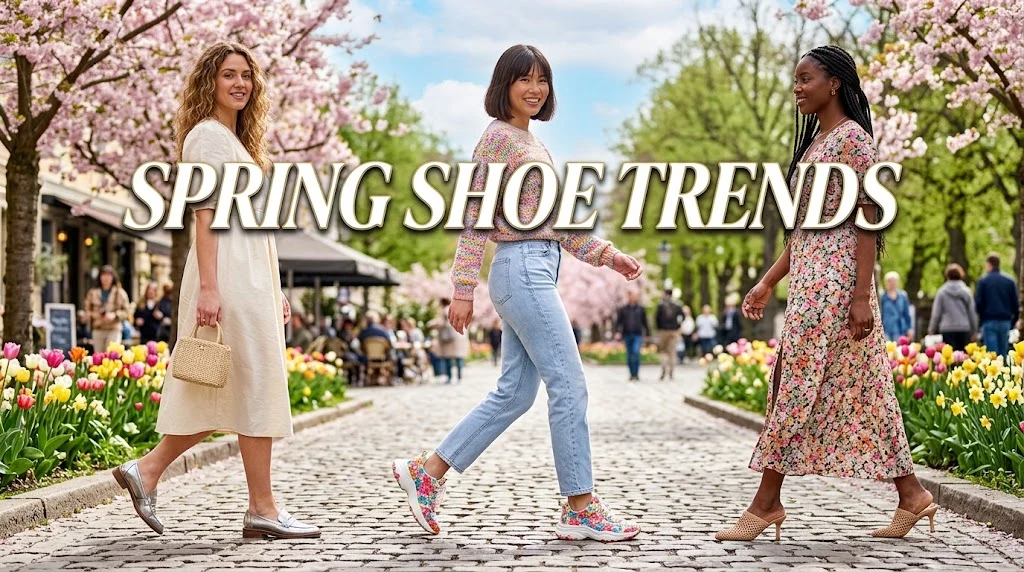
Sneakers are an obvious choice because they work with jeans, dresses, skirts, and casual trousers. Clean, simple sneakers can also make an outfit feel modern without requiring much effort.
Loafers are useful when you want something more polished. They pair especially well with tailored trousers, jeans, midi skirts, and dresses.
Ballet flats can create a softer and more feminine look, while low heels work well for occasions that require extra polish.
Consider keeping a small rotation of versatile shoes:
- Everyday sneakers
- Loafers
- Ballet flats
- Simple sandals for warmer days
- Low heels for dressier occasions
Do not choose shoes based only on appearance. Think about how much walking you normally do.
A pair of beautiful shoes that hurts after twenty minutes will probably spend most of the season in your closet.
Spring Accessories and Styling Details
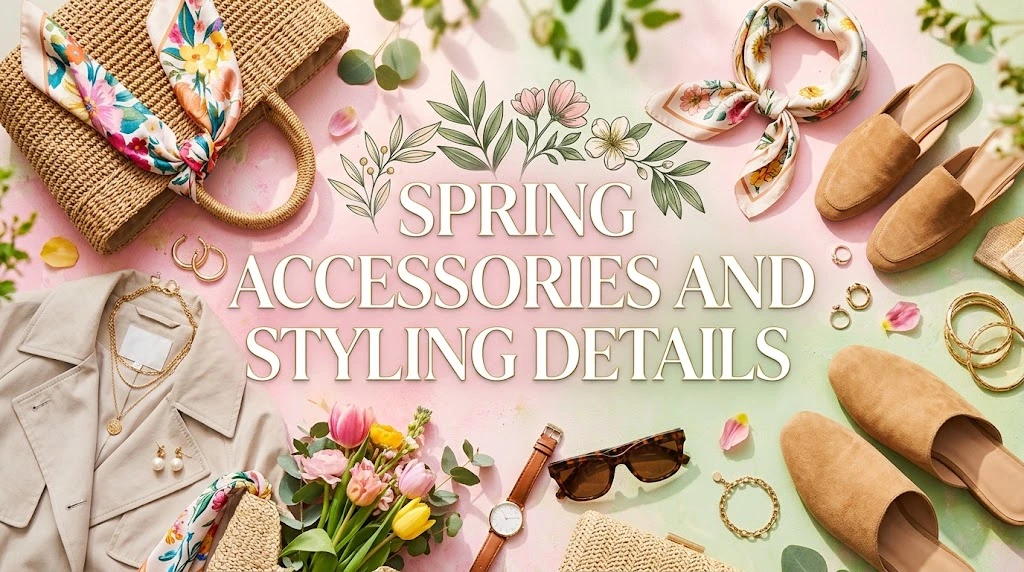
Accessories can make basic spring clothing feel much more personal.
A simple outfit can become noticeably different with a handbag, belt, sunglasses, scarf, or jewelry.
For example, take a basic combination of jeans and a white shirt. Add a leather belt and loafers for a polished appearance. Replace those with sneakers and a canvas tote, and the outfit becomes much more relaxed.
Small details matter.
Try:
- A woven or lightweight handbag
- Simple gold or silver jewelry
- Sunglasses
- A slim belt
- Lightweight scarf
- Minimal hair accessories
- A structured tote for work
You do not need every accessory at once. Too many competing details can make an otherwise clean outfit look busy.
Instead, choose one or two pieces that support the outfit.
A useful rule is to ask what the outfit needs. If the clothes already have a bold print, keep accessories simple. If the outfit is mostly neutral, a statement bag or interesting jewelry can add personality.
Spring Style for Different Body Shapes
There is no single body shape that determines what you should wear. Good styling is about understanding proportions and choosing clothing that makes you feel comfortable and confident.
If you want to define your waist, try a tucked shirt, belted dress, or high-rise trousers.
If you prefer to create a longer visual line, monochromatic outfits can help. Wearing similar shades from top to bottom creates a continuous appearance.
If you love your shoulders, a structured jacket can highlight them. If you prefer relaxed clothing around your upper body, an open cardigan or overshirt can create a softer shape.
The key is to avoid rigid fashion rules.
Instead of asking, “What am I supposed to wear for my body type?” ask:
“Which proportions make me feel best?”
Try different combinations in front of a mirror. Pay attention to where the hem falls, where the waist sits, and how the volume is distributed.
Personal style improves when you learn what works on your own body rather than blindly following rules.
Minimalist Spring Style
Minimalist spring fashion focuses on simplicity, clean lines, useful basics, and a limited color palette.
You might build an outfit around:
- White shirt
- Beige trousers
- Neutral cardigan
- Simple sneakers
- Structured handbag
The result can look sophisticated without requiring statement pieces.
Neutral colors are especially useful for minimalist wardrobes because they combine easily. Cream, white, beige, gray, navy, black, and denim can create many outfits from relatively few pieces.
However, minimalism does not mean boring.
Texture can add depth. Try combining denim with cotton, knitwear with smooth trousers, or linen with structured accessories.
You can also use one subtle statement. A sculptural handbag, interesting sunglasses, or colorful shoes can add personality without breaking the clean aesthetic.
The most successful minimalist wardrobes usually focus on fit and quality of basics rather than constant shopping.
Feminine Spring Style
Feminine spring style often uses soft colors, flowing shapes, delicate details, skirts, dresses, and elegant accessories.
But femininity does not require a specific look.
You can create a feminine outfit with a simple midi skirt and fitted sweater. Or pair a floral blouse with straight-leg jeans and loafers.
Try combinations such as:
- Floral midi dress + simple flats
- Pleated skirt + fitted knit top
- Soft blouse + straight-leg jeans
- Pastel cardigan + white trousers
- Wrap dress + delicate jewelry
The trick is balance.
If your outfit includes a romantic piece such as a ruffled blouse, pair it with something more structured or casual. This prevents the look from becoming overly sweet.
For example, a feminine blouse with relaxed denim often feels more modern than pairing it with several equally delicate pieces.
Streetwear-Inspired Spring Style
Spring streetwear is all about comfort, attitude, and interesting proportions.
Relaxed jeans, cargo pants, oversized shirts, graphic T-shirts, sneakers, bomber jackets, and lightweight outerwear can form the foundation.
Try an oversized shirt with straight-leg jeans and streamlined sneakers. Or combine relaxed cargo trousers with a fitted tank and cropped jacket.
Layering works especially well with streetwear because you can play with different lengths and volumes.
For example, an oversized shirt worn open over a fitted top creates contrast. A cropped jacket with wide-leg trousers creates another strong proportion.
Do not assume streetwear has to mean oversized everything. That can easily make an outfit look shapeless.
Instead, combine one or two relaxed pieces with something more fitted or structured.
Accessories also matter. A simple cap, crossbody bag, sunglasses, or understated jewelry can strengthen the look without making it feel like a costume.
Common Spring Styling Mistakes to Avoid
Even a great wardrobe can become difficult to style when a few basic mistakes get in the way.
Wearing too many trends at once is one of the most common problems. If your shoes, jacket, bag, trousers, and top all follow different trends, the outfit can lose its sense of direction.
Choose one main trend and let the rest of the outfit support it.
Another mistake is ignoring fabric weight. Heavy sweaters paired with thick trousers can make a spring outfit uncomfortable even if the colors look seasonal.
Poor proportions can also create problems. Oversized clothing from head to toe may hide your shape and make the outfit feel heavier than intended.
Finally, do not sacrifice comfort for appearance.
If you cannot walk comfortably, sit comfortably, or handle the weather, the outfit is not working for your real life.
Before leaving home, take a quick look at the complete outfit. Ask whether the colors work together, whether the proportions feel balanced, and whether you can comfortably wear the outfit for several hours.
Those few seconds can make a surprisingly big difference.
How to Create Spring Outfits on a Budget
You do not need a completely new wardrobe every spring.
Start by shopping your own closet. Pull out pieces you have not worn recently and create new combinations.
A basic cardigan might work with a dress. Last year’s trousers might look different with a new shirt. A pair of sneakers can completely change a skirt or dress.
If you do buy something, prioritize pieces that solve a wardrobe problem.
Instead of purchasing another similar top, consider whether you need a lightweight jacket, versatile trousers, comfortable flats, or a useful everyday bag.
Secondhand shopping can also be a smart option for finding quality clothing at lower prices. Look for natural fabrics, strong stitching, good buttons and zippers, and pieces that show little wear.
A simple cost-per-wear mindset can help.
A jacket you wear twice a week for several months may provide much more value than a trendy item that looks exciting but rarely leaves your closet.
The best spring wardrobe is not necessarily the largest one. It is the one where most pieces work together.
Frequently Asked Questions About Spring Style
1. What should I wear in spring?
Choose lightweight layers that you can easily remove as the temperature changes. Jeans, cotton shirts, T-shirts, cardigans, lightweight jackets, midi skirts, casual dresses, and versatile sneakers are useful starting points.
2. What colors are popular for spring outfits?
Spring commonly brings lighter and fresher shades such as pale blue, soft yellow, pink, green, lavender, cream, and other gentle tones. Neutral colors such as beige, white, navy, gray, and denim also work extremely well.
3. How do I dress for cold mornings and warm afternoons?
Use layers. Start with a breathable base such as a T-shirt or lightweight shirt, then add a cardigan, blazer, denim jacket, or lightweight coat that you can remove later.
4. Can I wear jeans in spring?
Absolutely. Jeans remain one of the most useful spring wardrobe staples. Pair them with lighter tops, loafers, sneakers, flats, or a lightweight jacket to make the outfit feel seasonal.
5. What shoes are best for spring?
Sneakers, loafers, ballet flats, low heels, and sandals for warmer days are all practical choices. The best option depends on the weather and how much walking you expect to do.
6. How can I make a basic spring outfit look fashionable?
Focus on fit, proportion, and accessories. A simple jeans-and-shirt outfit can look much more polished with a good belt, clean shoes, a structured bag, and one piece of jewelry.
7. How can I follow spring fashion trends without overspending?
Keep your existing wardrobe as the foundation and add only a few trend-focused pieces. Choose items that work with several outfits rather than buying an entire new look every season.
Spring style works best when fashion and real life meet. You do not need a closet full of new clothes or a perfect collection of seasonal trends. You need pieces that feel good, work together, and suit the way you actually spend your days.
Start with dependable basics, then add color, texture, and a few personal touches. Learn how to layer for changing weather. Pay attention to proportions instead of following strict body-shape rules. Most importantly, wear clothes that let you move through your day with confidence.
The most memorable spring outfits are often surprisingly simple. A great pair of jeans, a beautiful shirt, comfortable shoes, and one thoughtful accessory can be enough.
Good style is not about wearing more. It is about choosing better.