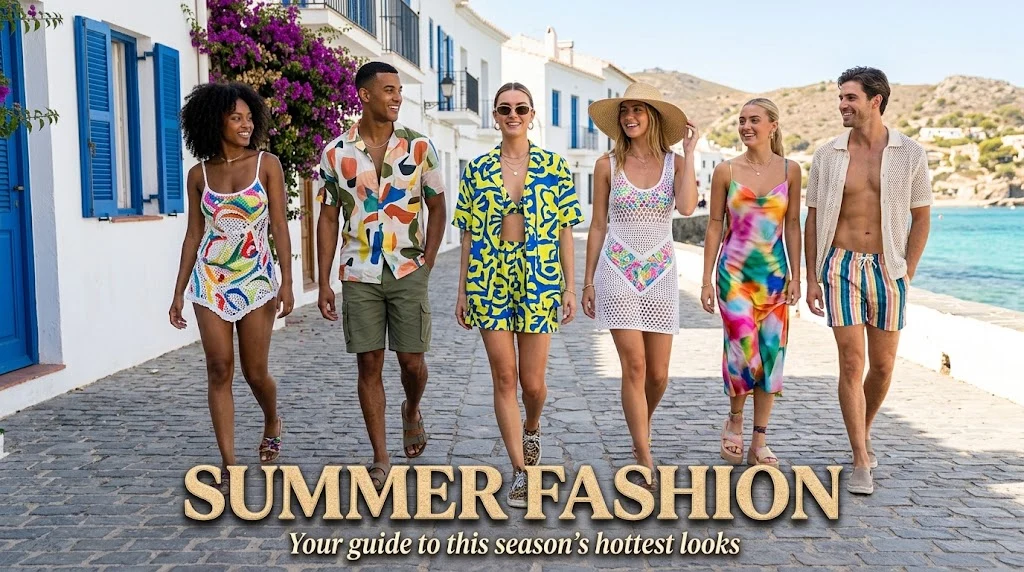
Summer has a way of changing how we get dressed. Heavy layers disappear, mornings feel lighter, and suddenly the question is not “What should I wear?” but “How do I look put together without feeling too hot?”
That is the real secret behind great summer fashion. It is not about buying every new trend. It is about choosing breathable fabrics, comfortable shapes, useful colors, and a few stylish details that make simple outfits feel intentional.
Whether you are dressing for work, a weekend brunch, a beach holiday, a casual day out, or a summer evening, the best outfits usually start with the same idea: comfort first, style second, and practicality throughout. Once you understand that balance, getting dressed becomes much easier.
What Is Summer Fashion?
Summer fashion refers to clothing, footwear, accessories, and styling choices designed for warm-weather conditions. Lightweight fabrics, relaxed silhouettes, breathable shoes, and brighter or softer color palettes often become more useful during the season.
However, summer style does not have one fixed look. Someone living in a humid city may need very different clothes from someone spending summer in a dry, mild climate. Your lifestyle matters just as much as the trend cycle.
A practical summer wardrobe usually includes:
- Lightweight tops
- Cotton or linen shirts
- Relaxed trousers
- Shorts
- Midi or maxi dresses
- Breathable skirts
- Simple sandals
- Comfortable sneakers
- Sunglasses
- Lightweight layers
- A versatile summer bag
The goal is to create outfits that work in real life. A beautiful outfit that leaves you uncomfortable after 20 minutes is rarely a successful warm-weather look.
Best Summer Fashion Trends to Try
Summer trends change from year to year, but several ideas remain useful because they combine fashion with everyday comfort.
Relaxed tailoring is one example. Instead of tight blazers and structured trousers, try loose trousers, oversized shirts, and softly tailored jackets. The result feels polished without looking overly formal.
Another strong direction is easy monochrome dressing. Wearing different shades of one color can make a simple outfit look considered without requiring complicated styling.
You can also experiment with:
- Striped shirts
- Wide-leg trousers
- Minimal dresses
- Lightweight denim
- Textured fabrics
- Relaxed matching sets
- Simple statement jewelry
- Sporty sneakers with feminine pieces
Do not feel pressured to wear every trend at once. Choose one noticeable trend and combine it with familiar wardrobe staples.
For example, if wide-leg trousers are new to you, wear them with a fitted cotton T-shirt and simple sandals. The outfit feels current while remaining easy to wear.
Summer Outfits for Women
A useful women’s summer wardrobe should give you multiple outfits without requiring a huge number of clothes.
For a casual daytime look, try a cotton T-shirt, wide-leg trousers, flat sandals, and a shoulder bag. It is simple enough for errands but polished enough for lunch.
For something more feminine, a midi dress with comfortable sandals works beautifully. Add sunglasses and a small bag, and you have an outfit that can move easily from daytime plans to an early dinner.
For a relaxed weekend, consider:
- Linen shirt + tank top + relaxed trousers
- Tank top + midi skirt + sneakers
- Cotton dress + flat sandals
- Loose shirt + denim shorts
- Lightweight trousers + fitted top
One of my favorite styling tricks is to create contrast. Pair something loose with something more fitted. For example, wide trousers look balanced with a neat tank top, while an oversized shirt works well with straight or slim bottoms.
That small change can make an otherwise basic outfit look much more intentional.
Casual Summer Fashion for Everyday Wear
Everyday summer dressing should be easy. You should not need to spend 30 minutes deciding what works together before leaving the house.
Start with dependable basics in colors that mix easily. White, cream, navy, black, denim, beige, and soft earth tones can form a strong foundation. Then add seasonal colors through tops, bags, shoes, or accessories.
A simple everyday formula is:
Basic top + relaxed bottom + comfortable shoes + one accessory
For example, a white cotton top with beige trousers may look very simple. Add woven sandals, sunglasses, and a small crossbody bag, and the outfit immediately feels more finished.
Sneakers are also useful for casual summer outfits. Pair clean sneakers with a midi skirt, relaxed trousers, or a casual dress when you want more walking comfort.
The important point is to dress for your actual day. If you will be walking around a city, choose shoes accordingly. If you are spending the afternoon outdoors, prioritize breathable clothing and sun protection.
Summer Fashion for Work
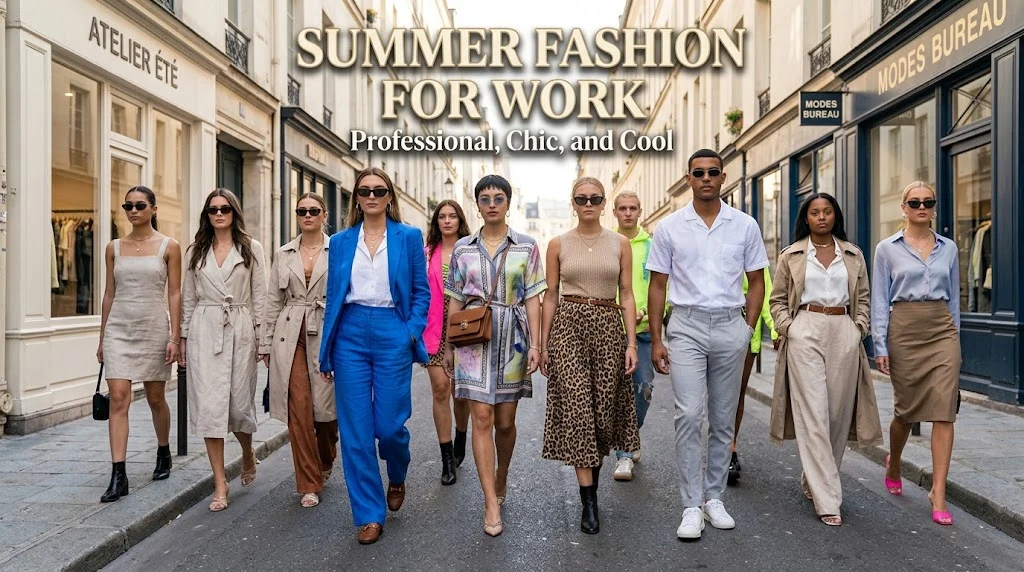
Dressing for work during hot weather can be tricky. You want to stay cool without looking too casual.
Lightweight tailoring is the answer. Look for trousers with a relaxed fit, breathable shirts, simple midi skirts, and dresses with a professional silhouette.
A linen-blend blazer can also work as a lighter alternative to a traditional heavy jacket, especially in environments where some structure is expected.
Try combinations such as:
- Lightweight trousers + tucked-in shirt
- Midi skirt + simple blouse
- Tailored trousers + sleeveless knit
- Structured midi dress + low heels
- Wide-leg trousers + lightweight button-down
Be careful with very thin or transparent fabrics in professional settings. A fabric can feel wonderfully light but still require thoughtful layering.
Your office dress code should guide your choices. A creative workplace may allow more relaxed styling, while a formal workplace may require more structure.
Summer Dresses That Are Easy to Style
Summer dresses are popular because they solve an entire outfit in one piece.
The right dress depends on your lifestyle. A cotton shirt dress can work for casual days, while a simple midi dress may be appropriate for dinner or an event.
When choosing one, consider:
- Fabric breathability
- Length
- Fit around the waist
- Sleeve style
- Neckline
- Ease of movement
- Whether you can wear it with different shoes
A neutral dress can become surprisingly versatile. Wear it with sandals during the day, sneakers for a casual look, or slightly dressier shoes in the evening.
You can also change the appearance of a simple dress with accessories. A belt can define the waist, while a lightweight shirt worn open over it creates another layer without making the outfit feel heavy.
Summer Tops and Shirts to Build Around
Tops often do most of the work in a summer wardrobe. The right ones can be mixed with trousers, skirts, shorts, and jeans.
A few useful options include cotton T-shirts, sleeveless tops, relaxed button-down shirts, polo-style tops, and lightweight knit tops.
A white button-down shirt deserves special attention because it can be styled in many ways. Wear it tucked into trousers for a cleaner look, open over a tank top for a relaxed outfit, or loosely tied over a dress.
Do not automatically choose oversized clothing just because it is summer. Very loose pieces can feel comfortable, but too much volume can overwhelm the outfit.
Instead, think about proportion.
If your shirt is oversized, try a more streamlined bottom. If your trousers are very wide, a closer-fitting top can create balance.
Summer Fashion Colors
Color can completely change the mood of a summer outfit.
Classic summer shades include white, cream, light blue, soft green, yellow, coral, pink, and various neutral tones. But there is no requirement to wear bright colors simply because it is summer.
Neutral dressing can look just as fresh. A combination of cream trousers, a white top, tan sandals, and a natural-textured bag creates a relaxed warm-weather appearance.
If you enjoy color, start small. Instead of buying an entirely bright wardrobe, introduce color through:
- Handbags
- Shoes
- Scarves
- Jewelry
- Sunglasses
- Lightweight tops
A useful styling rule is to keep the main outfit simple when using a strong accent color. This prevents the look from becoming visually crowded.
Best Fabrics for Hot Weather
Fabric matters enormously when temperatures rise.
Cotton and linen are popular summer choices because they are lightweight and generally comfortable in warm conditions. Linen is especially associated with relaxed warm-weather dressing, although it naturally wrinkles.
Lightweight viscose and certain breathable blends can also be useful, depending on the garment and climate.
When shopping, look beyond the fiber name. The actual fabric weight, weave, construction, and fit can affect how comfortable a garment feels.
For very hot conditions, consider:
- Lightweight cotton
- Linen
- Linen blends
- Breathable lightweight fabrics
- Loose-fitting garments
One common mistake is choosing a fabric only because it looks expensive or fashionable. Touch it, check its weight, and think about where you will wear it.
If you sweat easily, also consider how visible moisture may be on the color and fabric.
Summer Shoes for Comfort and Style

Shoes can make or break a summer outfit.
Sandals are an obvious choice, but they are not the only option. Sneakers, loafers, ballet flats, espadrilles, and low heels can all work depending on the occasion.
For long walking days, prioritize support and comfort. A fashionable shoe that causes blisters will quickly become the least useful item in your wardrobe.
Try matching shoes to the activity:
- Walking: supportive sneakers or comfortable flat sandals
- Office: loafers, flats, or modest heels
- Beach: simple sandals
- Dinner: refined sandals or low heels
- Travel: comfortable sneakers or versatile flats
White or neutral sneakers can be particularly useful because they work with dresses, trousers, shorts, and skirts.
Summer Accessories That Complete an Outfit
Accessories are often the easiest way to make simple clothing look more personal.
Sunglasses are practical as well as stylish. A lightweight scarf can add color, while a woven or structured bag can give a basic outfit more character.
Useful summer accessories include:
- Sunglasses
- Lightweight scarves
- Straw or woven bags
- Crossbody bags
- Simple belts
- Minimal jewelry
- Baseball caps
- Wide-brim hats
Do not add accessories simply because you feel an outfit is missing something. Ask what the outfit actually needs.
A simple dress may only need earrings and sandals. A basic T-shirt and trousers combination might benefit from a belt, watch, sunglasses, and structured bag.
Good styling is often about editing rather than adding more.
Summer Fashion for Different Body Shapes
There is no single body type that owns a particular style. The better approach is to understand proportion and choose clothing that makes you feel comfortable and confident.
If you want to create more definition at the waist, try belted dresses, high-rise trousers, or tops that finish around the waistline.
If you prefer to create a longer visual line, try monochrome dressing, straight-leg trousers, or shoes that blend closely with the color of your outfit.
whether you enjoy emphasizing your shoulders, a clean sleeveless top can work beautifully with relaxed trousers or a flowing skirt.
The key is not to follow rigid body-shape rules. Clothing should serve your preferences, not dictate what you are allowed to wear.
Try different silhouettes in front of a mirror. Notice where the garment creates volume, where it falls on your body, and whether you can move comfortably.
That practical test is often more useful than any fashion rule.
Summer Fashion for Travel and Vacations
Travel requires clothes that can do more than one job.
Instead of packing individual outfits for every day, build a small color palette. Choose pieces that can be mixed and matched easily.
For example:
- Two lightweight tops
- One button-down shirt
- One pair of relaxed trousers
- One pair of shorts
- One versatile dress
- One lightweight layer
- Comfortable walking shoes
- Simple sandals
- A compact bag
A shirt can become a beach cover-up. Trousers can work for sightseeing and dinner. A dress can be casual with sandals and more polished with accessories.
Also think about your destination. A beach holiday, city break, and mountain trip have completely different clothing requirements.
Pack for activities rather than packing based only on the number of days.
Summer Evening and Date-Night Outfits
Summer evenings allow you to dress up without relying on heavy fabrics.
A flowing midi dress with elegant sandals creates an easy evening look. Alternatively, try tailored trousers with a fitted top, or a simple skirt with a refined blouse.
For a date night, small details can make a big difference. A delicate necklace, polished shoes, or a structured bag may be enough to elevate a simple outfit.
If the evening could become cooler, bring a lightweight cardigan, shirt, or thin jacket. This is especially useful for outdoor restaurants and late-night walks.
Avoid choosing an outfit that looks impressive but requires constant adjustment. You should be able to sit, walk, eat, and enjoy the evening comfortably.
Sustainable Summer Fashion Choices
Summer shopping can quickly become excessive because seasonal trends arrive constantly. A more thoughtful wardrobe starts by buying fewer pieces that you can wear repeatedly.
Before buying something new, ask:
- Can I create at least three outfits with it?
- Does it work with clothes I already own?
- Is the fabric suitable for my climate?
- Will I actually wear it next summer?
- Does the garment fit comfortably now?
Taking care of your clothes also extends their useful life. Follow care labels, avoid unnecessary washing when appropriate, and store garments properly.
You do not need a completely new wardrobe every season. Sometimes the most sustainable choice is simply styling an existing piece differently.
A dress you wore last summer can feel new when paired with a different belt, shoes, bag, or lightweight layer.
Common Summer Fashion Mistakes to Avoid
Even a beautiful wardrobe can become frustrating if the clothes are not practical.
One common mistake is wearing too many trends at once. If your outfit contains several bold shapes, colors, prints, and accessories, the individual pieces can compete for attention.
Another mistake is ignoring fabric quality. A garment may photograph beautifully but feel uncomfortable in real heat.
Other mistakes include:
- Choosing shoes without considering how much walking you will do
- Wearing overly heavy layers
- Buying clothes that require complicated care
- Ignoring transparency in lightweight fabrics
- Choosing trends that do not suit your lifestyle
- Wearing too many accessories at once
- Forgetting a light layer for air-conditioned spaces
The solution is simple: test your outfit before you need it. Walk around your home, sit down, move your arms, and check whether anything feels restrictive.
That small habit can prevent a surprising number of wardrobe problems.
How to Build a Simple Summer Capsule Wardrobe
A summer capsule wardrobe does not need to be extremely small. It simply needs to be coordinated.
Start with a few neutral basics, then add several pieces that provide color, texture, or personality.
A practical capsule might include:
- 3–5 tops
- 2–3 pairs of trousers or shorts
- 1–2 skirts
- 2 dresses
- 1 lightweight outer layer
- 2 everyday shoes
- 1 dressier shoe
- 1 everyday bag
- A few versatile accessories
Choose pieces that overlap in purpose. Your favorite trousers should work with multiple tops, while your shoes should complement several outfits.
The biggest benefit is not owning fewer clothes. It is making more outfits from the clothes you already own.
Final Thoughts
Great summer fashion does not require a closet full of new trends. It starts with understanding your climate, your daily routine, your comfort level, and the silhouettes you genuinely enjoy wearing.
Choose breathable fabrics, build outfits around versatile basics, and use trends as accents rather than rules. A simple cotton dress, relaxed trousers, clean sneakers, or lightweight shirt can become the foundation for dozens of outfits when you style them thoughtfully.
Most importantly, let your clothes support your summer rather than interrupt it. The best warm-weather outfit is one that looks good, feels comfortable, and lets you forget about your clothes once you walk out the door.
FAQs About Summer Fashion
1. What should I wear in summer to stay cool and stylish?
Choose lightweight, breathable fabrics such as cotton and linen, and favor relaxed silhouettes. Pair simple pieces with comfortable sandals or sneakers and finish with one or two practical accessories.
2. What are the best summer clothes for hot weather?
Lightweight shirts, cotton tops, loose trousers, shorts, breathable dresses, and relaxed skirts are practical choices. Fabric weight and garment construction also matter, so look for pieces that allow airflow.
3. What colors are popular for summer fashion?
White, cream, blue, green, pink, yellow, coral, beige, and other light or natural shades are commonly associated with summer dressing. However, neutral colors can look just as fresh and sophisticated.
4. How can I look fashionable without buying lots of new clothes?
Start by restyling what you already own. Change your shoes, accessories, layering pieces, or proportions. Building outfits around versatile basics can create many different looks without constant shopping.
5. What should women wear to work in summer?
Try lightweight trousers, midi skirts, breathable blouses, simple dresses, and relaxed tailoring. Always consider your workplace dress code and choose fabrics that remain comfortable throughout the day.
6. What shoes are best for summer outfits?
The best choice depends on your activity. Sneakers are useful for walking, sandals work well for casual occasions, and loafers, flats, or low heels can suit professional settings. Comfort should always influence the decision.
7. How can I make a basic summer outfit look more stylish?
Focus on proportion, accessories, and fit. A simple top and trousers can look much more polished with a well-fitting belt, clean shoes, sunglasses, a structured bag, or a lightweight layer.