Fashion can be exciting, but it can also feel confusing. Every season brings new colors, silhouettes, fabrics, shoes, and accessories. One day oversized jackets are everywhere, and the next, fitted tailoring starts showing up again. The challenge is not knowing every new trend. The real skill is learning how to make trends work for you.
That is where trend styling becomes useful. It is not about copying a runway look from head to toe. It is about understanding what is current, choosing the parts that suit your personality, and combining them with clothes you already love.
Good styling should make getting dressed easier, not harder. A trendy outfit can still feel comfortable, practical, and completely personal. You might pair a relaxed jacket with straight-leg jeans, add a modern handbag, or use one bold color to refresh a simple outfit. Small decisions can create a surprisingly polished result.
Whether you follow fashion closely or simply want your everyday wardrobe to look more current, the right approach can help you build outfits that feel fresh without looking forced. This guide explains how to style trends, choose pieces wisely, avoid common mistakes, and create fashionable outfits that actually work in real life.
What Is Trend Styling?
Trend styling means using current fashion ideas to create outfits that look modern while still fitting your personal style. Those trends can include clothing shapes, colors, prints, fabrics, footwear, accessories, or even ways of layering clothes.
The important point is that trend styling is different from trend chasing. Trend chasing means buying something simply because it is popular. Trend styling means deciding whether that trend adds something useful to your wardrobe.
For example, suppose relaxed trousers become popular. You do not necessarily need to replace every pair of jeans in your closet. Instead, you could try one wide-leg trouser with a fitted knit top and simple shoes. You have adopted the silhouette without completely changing your identity.
A stylist often looks at three things:
- The trend: What feels current?
- The wearer: What suits the person’s shape, lifestyle, and taste?
- The outfit: How can the pieces work together?
This approach creates a more balanced wardrobe. Instead of having a closet full of fashionable items that do not work together, you build outfits around a few thoughtful updates.
Why Trend Styling Matters in Modern Fashion
Fashion changes quickly, but personal style does not have to change at the same speed. Trend styling helps you keep your wardrobe current without losing the visual identity that makes your outfits feel like yours.
Think about a classic white shirt. It does not suddenly become outdated because a new trend appears. You can style it with updated trousers, a current handbag, modern jewelry, or a different shoe shape. The basic item stays useful while the styling changes.
This is especially helpful if you want to shop more carefully. Instead of asking, “What is fashionable right now?” ask, “Which current trend will make my existing wardrobe more interesting?”
That question can save money and reduce unnecessary shopping.
Trend styling can also improve confidence. When an outfit feels modern but still comfortable, you are more likely to wear it naturally. The best outfits rarely look like costumes. They look effortless because the person wearing them feels comfortable in the clothes.
A useful rule is to let trends support your style rather than control it.
How to Find Fashion Trends Worth Trying
Not every fashion trend deserves a place in your wardrobe. Some trends work for years, while others disappear quickly. Learning to separate useful trends from temporary hype is one of the most valuable styling skills.
Start by looking for trends that connect with your existing wardrobe. If you already enjoy relaxed clothing, an oversized blazer may feel natural. If you prefer feminine outfits, you might experiment with softer fabrics, delicate details, or elegant silhouettes.
Pay attention to repeated signals rather than one viral outfit. When the same color, shape, fabric, or styling idea appears across different collections and fashion communities, it is more likely to influence the wider market.
Before buying a trendy item, consider:
- Can you style it with at least three pieces you already own?
- Does it suit your lifestyle?
- Would you wear it more than a few times?
- Does the fit feel comfortable?
- Does it work with your usual shoes and accessories?
- Can you imagine wearing it next season?
If most answers are yes, the trend probably has practical value for you.
You should also consider cost per wear. A simple trend piece worn twenty times can be a better purchase than a dramatic statement item worn once.
How to Mix Trends With Classic Clothing
One of the easiest ways to create polished trend-focused outfits is to combine modern pieces with timeless basics.
Imagine wearing a classic straight-leg trouser with a trend-forward top. Or take a traditional button-down shirt and pair it with a current skirt shape. The classic piece creates stability while the newer item gives the outfit personality.
This method works because too many trends can compete with one another.
A useful styling formula is:
One statement trend + two or three familiar pieces.
For example, a bold printed skirt could work with a plain knit top and simple loafers. A dramatic jacket could be worn with jeans and a clean T-shirt. A modern shoe can update an otherwise traditional outfit.
The same principle works with accessories. You might wear a basic black dress but add a sculptural bag and contemporary earrings. The dress remains simple, while the accessories make the overall look feel current.
When in doubt, simplify. One well-styled trend usually looks more intentional than five competing trends.
Trend Styling for Different Personal Styles
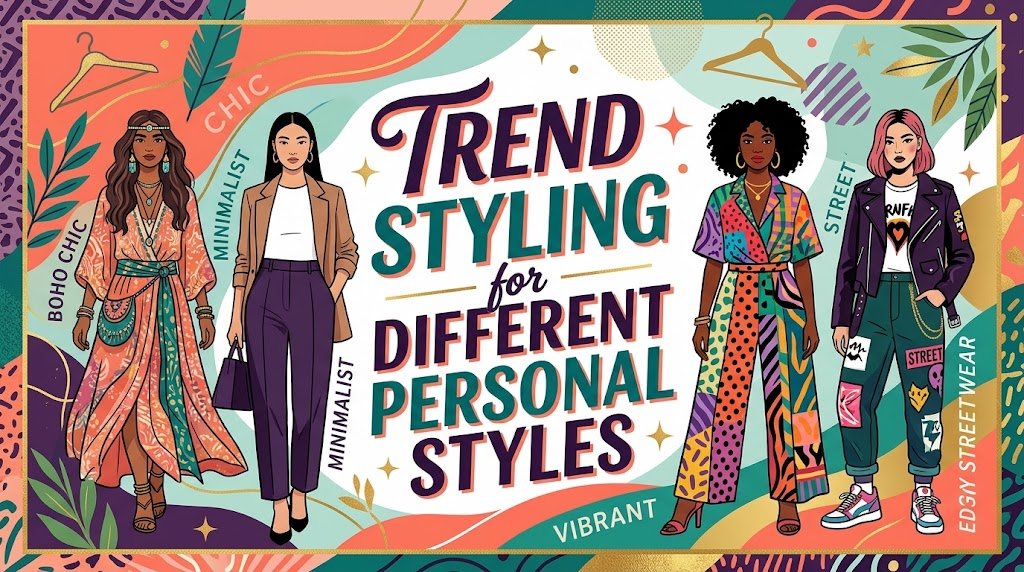
There is no single correct way to follow fashion. A trend should change according to the person wearing it.
Someone with a minimalist wardrobe may prefer clean lines, neutral colors, and subtle updates. Someone with a romantic style might interpret the same trend through soft textures, flowing shapes, or delicate accessories.
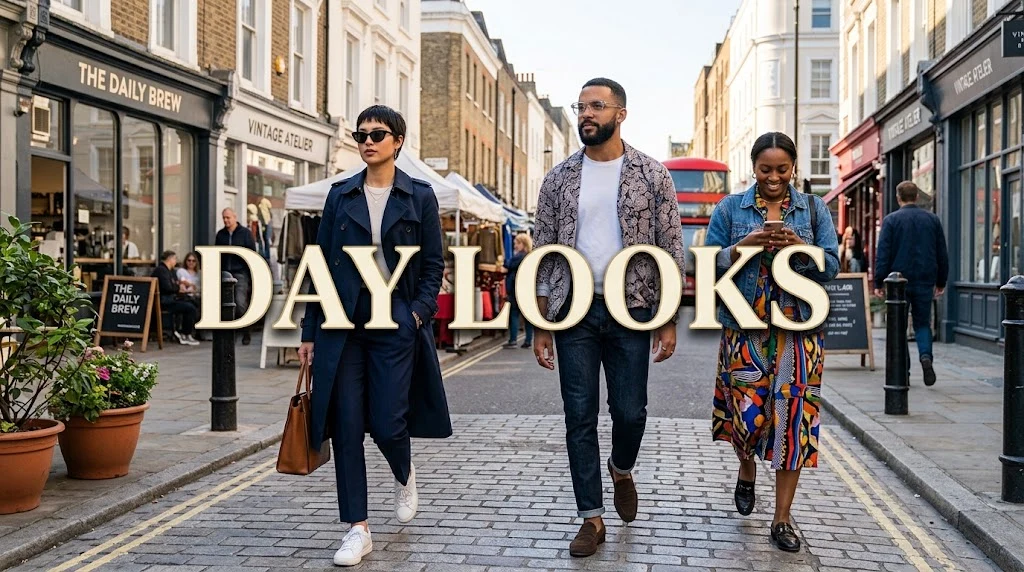
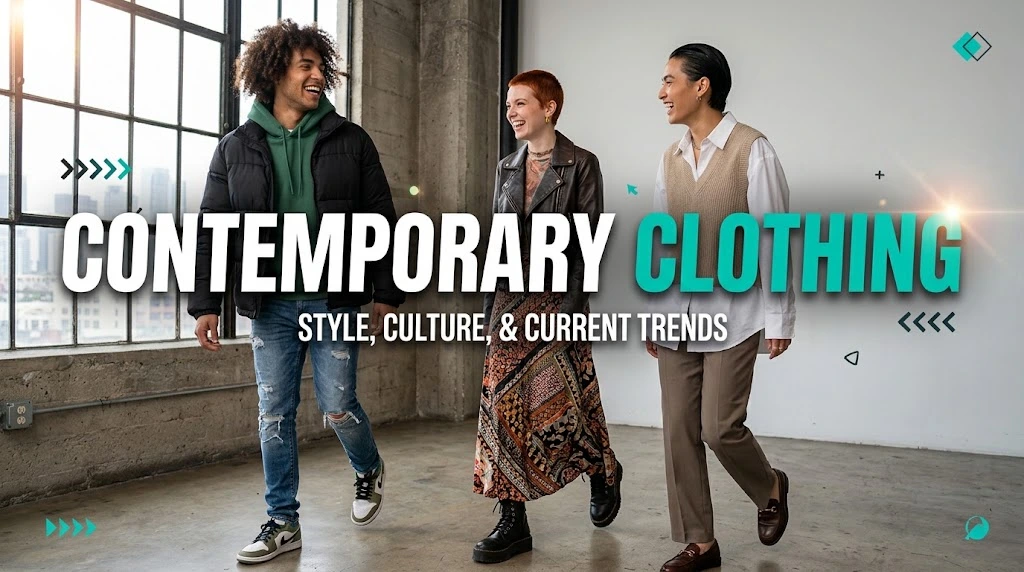
If your style is casual, try relaxed trousers, modern sneakers, layered tops, or an updated denim silhouette.
If your style is classic, experiment with one contemporary item at a time. A structured bag, updated blazer, or modern shoe can make traditional clothing feel fresh.
If your style is feminine, look for interesting textures, graceful proportions, statement skirts, elegant dresses, or refined jewelry.
If your style is edgy, play with leather, unusual proportions, darker tones, chunky footwear, or unexpected layering.
If your style is minimalist, focus on silhouette rather than decoration. A beautifully cut coat can make more impact than a heavily embellished outfit.
The goal is not to become someone else. The goal is to translate a trend into your own fashion language.
How to Style Trends for Everyday Outfits
Runway fashion can look dramatic because it is designed to communicate an idea. Everyday clothing needs to do more. It needs to be comfortable, practical, and easy to move in.
For daily outfits, start with one item that makes the look feel current. Then build around it.
For example:
- Wide-leg trousers + fitted top + simple flats
- Oversized blazer + jeans + clean sneakers
- Modern midi skirt + basic T-shirt + structured handbag
- Relaxed shirt + tailored trousers + simple jewelry
- Statement cardigan + straight jeans + ankle boots
The key is proportion. If one item has a lot of volume, consider balancing it with something more fitted or structured.
An oversized shirt can work beautifully with straighter trousers. A full skirt can look balanced with a more streamlined top. A cropped jacket can work well with high-rise bottoms.
You do not need complicated combinations. Good proportions often create the polished effect people associate with great styling.
Trend Styling for Work and Professional Looks
Workwear trends require a little more restraint. The goal is to look modern without sacrificing professionalism.
Tailoring is one of the easiest places to introduce current fashion ideas. An updated blazer, wider trouser, longer skirt, or refined vest can refresh a professional wardrobe.
Color can also make a difference. If your workplace allows it, try adding a fashionable shade through a blouse, handbag, shoes, or knitwear rather than wearing a complete head-to-toe statement look.
For a conservative office, keep the clothing itself relatively classic and experiment with accessories.
For a creative workplace, you may have more freedom to mix unusual silhouettes, prints, textures, and contemporary footwear.
A reliable professional formula is:
Structured base + one modern detail + polished accessories.
Avoid wearing a trend simply because it is popular. Your outfit should still communicate confidence and competence.
Fit matters particularly here. Even an expensive trend piece can look untidy if the shoulders, sleeves, waist, or trouser length are wrong.
How to Style Trends for Parties and Going Out
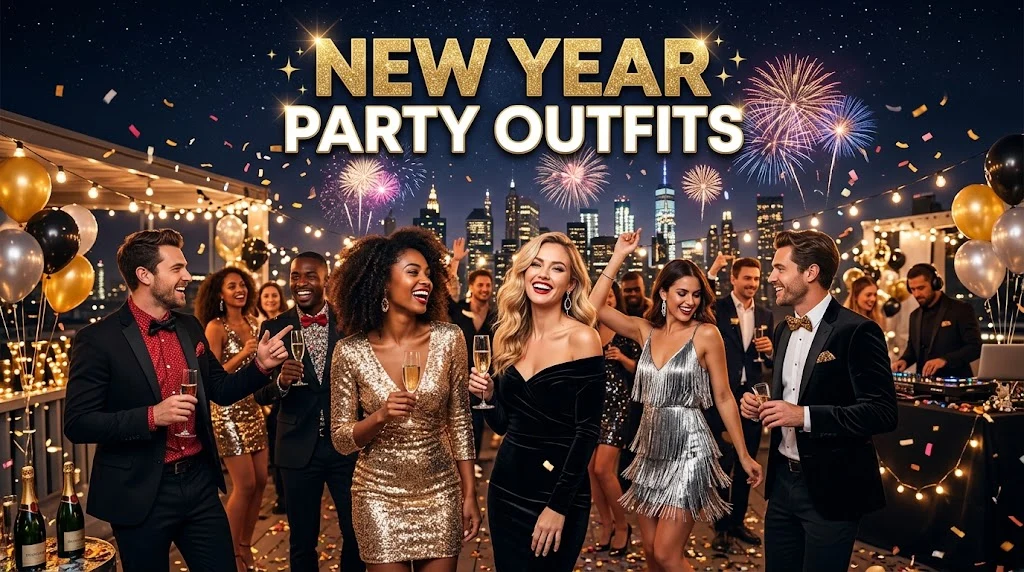
Evening and going-out outfits allow more room for experimentation. You can use stronger colors, dramatic shapes, shine, interesting textures, and statement accessories.
However, the same rule still applies: create a focal point.
If your dress has a dramatic neckline or bold shape, keep the accessories relatively controlled. If the clothing is simple, let the shoes, bag, jewelry, or makeup provide the visual interest.
For example, a simple black outfit can become much more memorable with a sculptural handbag or striking earrings.
You can also play with contrast. A feminine dress with structured boots can feel more modern than a traditional matching combination. A tailored blazer over an evening top can create a confident, sophisticated look.
Before leaving home, check the outfit from different angles. Ask yourself whether the clothes look balanced when you stand, sit, and move.
That small check can prevent uncomfortable surprises later.
How to Choose Colors for Trendy Outfits
Color trends can be tempting because a new shade can make an old wardrobe feel completely different. Still, not every fashionable color will flatter you or fit your lifestyle.
Begin with colors you already wear confidently. Then introduce a trend shade through a smaller item.
Good starting points include:
- Handbags
- Shoes
- Scarves
- Cardigans
- T-shirts
- Jewelry
- Belts
Once you know you enjoy the color, you can make it a larger part of your wardrobe.
You can also use color relationships to make an outfit feel intentional. Neutral colors provide a calm foundation, while one stronger shade creates focus.
For example, beige trousers with a soft blue top can look understated. Black clothing with a rich accent color can feel sharper. Several neutral shades can create an elegant monochromatic outfit without requiring bright color at all.
Do not assume trendy color means loud color. A new shade can be subtle and still make an outfit feel fresh.
How Accessories Transform Trend Styling
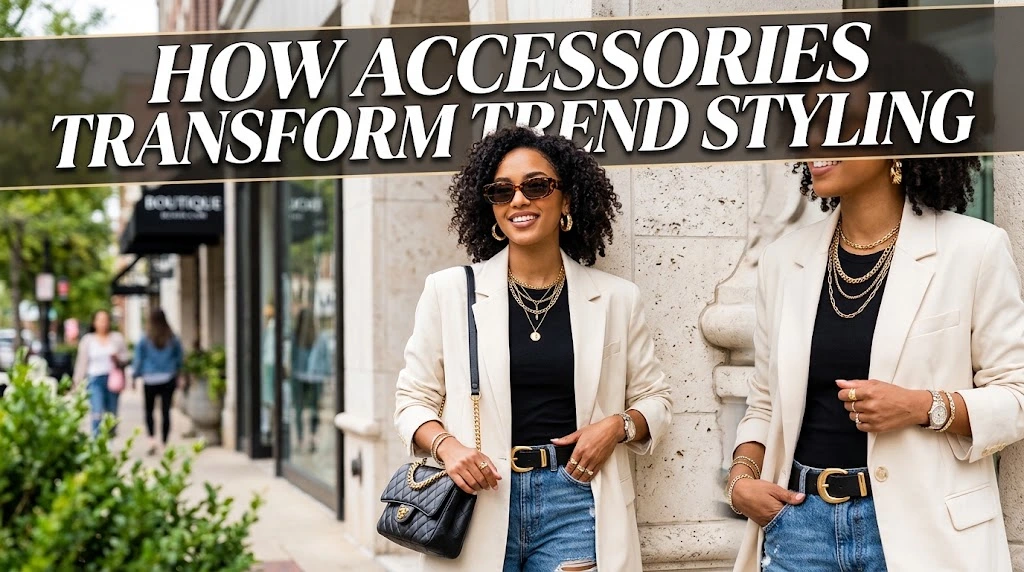
Accessories often provide the easiest way to update an outfit.
A classic outfit can take on a completely different mood when you change the bag, shoes, belt, sunglasses, or jewelry. This makes accessories especially useful when you want to experiment without buying an entirely new wardrobe.
Consider a simple outfit of jeans and a plain top. Add a structured bag and sleek shoes, and the look becomes polished. Replace them with sneakers and a relaxed crossbody bag, and the same clothing becomes more casual.
Think about accessories as styling tools, not decoration.
A belt can change the shape of an outfit. A handbag can add structure. Earrings can draw attention toward the face. Shoes can change the entire attitude of a look.
One common mistake is wearing several statement accessories at once. If your bag, shoes, necklace, earrings, and sunglasses all demand attention, the outfit may lose its visual focus.
Choose one hero accessory and let the other pieces support it.
Trend Styling for Different Body Proportions
Good styling does not depend on having a particular body type. The more useful approach is understanding proportions and deciding which shapes make you feel comfortable and confident.
If you wear an oversized top, you may prefer a straighter or more fitted bottom. If you choose wide trousers, a shorter or more streamlined top can create balance.
But these are guidelines, not rules.
Some people love oversized clothing from head to toe. Others prefer fitted silhouettes. Fashion should give you choices rather than create a list of restrictions.
The most important thing is to notice how clothing sits on your body.
Check:
- Where the shoulder seam falls
- Where trousers break at the shoe
- Whether fabric pulls across the body
- Whether the waist feels comfortable
- Whether the garment allows natural movement
Tailoring can also make a major difference. A relatively affordable garment can look much more polished after small alterations.
Instead of asking which trend “hides” your body, ask which proportions make you feel your best.
How to Make Trendy Outfits Look Expensive
Looking polished is not always about wearing expensive clothing. Styling, fit, condition, and restraint often matter more.
Start with clean, well-maintained garments. Remove loose threads, repair small damage, clean your shoes, and keep fabrics looking fresh.
Then pay attention to fit. Clothes that sit correctly on the shoulders, waist, hips, and hemline tend to look more refined.
Simple combinations can also create an expensive-looking effect. Neutral colors, clean tailoring, quality-looking textures, and minimal accessories often work well together.
Avoid adding logos or decorative details simply to make an outfit appear luxurious. Strong personal styling usually looks more sophisticated than obvious attempts to signal price.
Another useful trick is repetition. Repeating one color in two different parts of an outfit can make the combination feel planned.
For instance, a handbag that subtly connects with the color of your shoes can create cohesion without looking overly matched.
Common Trend Styling Mistakes to Avoid
Even experienced fashion lovers make styling mistakes. The good news is that most are easy to fix.
Wearing every trend at once is one of the most common problems. Pick one or two current elements and give them enough space to stand out.
Ignoring comfort is another. If you cannot walk, sit, or move comfortably, the outfit will affect your confidence no matter how fashionable it looks.
Buying without a styling plan can also create wardrobe clutter. Before purchasing a trend piece, think about the outfits you can actually build around it.
Choosing the wrong size can completely change how an item looks. Do not assume the size number matters more than the actual fit.
Over-accessorizing can make an outfit feel busy. Decide which part of the look should receive the most attention.
Copying someone else’s style exactly can also backfire. A look that works beautifully on one person may not fit your lifestyle, proportions, or personality.
Finally, do not confuse “new” with “better.” Some of the strongest outfits combine current styling with clothing you have owned for years.
How to Build a Trend-Focused Capsule Wardrobe
You do not need a huge closet to practice trend styling. A small, flexible wardrobe can actually make styling easier.
Begin with dependable foundation pieces such as trousers, jeans, shirts, knitwear, simple dresses, jackets, and versatile shoes. Then add a few seasonal pieces that bring a current feel.
A useful capsule can include:
- One structured jacket
- One relaxed outer layer
- Two versatile trousers
- A reliable pair of jeans
- Several simple tops
- One statement piece
- One current shoe style
- One practical everyday bag
- A few adaptable accessories
The exact items depend on your lifestyle.
Someone working in an office may need more tailoring. Someone working from home may prioritize comfortable separates. Someone attending frequent events may invest more in dresses and evening accessories.
The trick is to make your wardrobe mixable. If most pieces work with several others, you can create many outfits without constantly shopping.
Before buying something trendy, imagine at least three complete outfits. If you cannot do that, the item may be more difficult to use than it first appears.
How to Develop Your Own Trend Styling Formula
The strongest personal style usually comes from repetition. Once you notice what consistently works for you, you can turn it into a simple styling formula.
Maybe you always feel best in high-waisted trousers, fitted tops, and structured bags. Perhaps you prefer loose shirts, straight jeans, and sneakers. Or you may love dresses with boots and statement earrings.
There is no universal formula.
Start by looking at outfits you have genuinely enjoyed wearing. Identify repeated details such as:
- Favorite silhouettes
- Preferred colors
- Comfortable fabrics
- Shoe styles
- Jewelry choices
- Common outfit proportions
- Levels of formality
Then introduce trends into that formula.
If you love minimal outfits, do not suddenly build maximalist looks because social media says they are fashionable. Instead, find the modern version of minimalism that feels natural to you.
This is the difference between having style and simply wearing trends.
Personal style becomes stronger when you understand why an outfit works.
How to Shop for Trends Without Wasting Money
Smart trend shopping starts before you enter a store or open an online shopping app.
First, identify the actual gap in your wardrobe. Maybe you need a versatile jacket rather than another top. Maybe your shoes are outdated, or your everyday bag no longer works with your clothes.
Next, create a short list.
Ask whether the trend piece:
- Works with your current wardrobe
- Fits your normal activities
- Can be worn in multiple seasons
- Feels comfortable
- Has a useful color or pattern
- Offers enough value for its price
Avoid buying something just because it photographs well. Fashion photographs can make unusual pieces look exciting, but real life requires movement, comfort, weather-appropriate clothing, and repeat wear.
Waiting can also help. If you still want an item after several days, it may have genuine appeal rather than being an impulse purchase.
For expensive pieces, consider quality and construction. Look at seams, fabric, closures, lining, and finishing details rather than relying only on branding.
Good trend styling begins with good buying decisions.
Conclusion: Make Trends Work for You
Trend styling is not about having the newest wardrobe or following every fashion forecast. It is about knowing how to take current ideas and turn them into outfits that feel natural, flattering, practical, and personal.
Start small. Choose one trend that genuinely appeals to you, then pair it with pieces you already understand. Pay attention to proportion, fit, color, texture, and accessories. Most importantly, wear the clothes instead of allowing the clothes to wear you.
Fashion becomes much more enjoyable when you stop asking, “What should I wear because it is trending?” and start asking, “How can I make this trend feel like me?”
That shift creates better outfits and a more useful wardrobe. It also makes personal style more sustainable because you learn to buy thoughtfully rather than constantly replacing everything.
The best trend is ultimately the one that makes you feel confident when you leave the house.
Frequently Asked Questions About Trend Styling
1. What does trend styling mean?
Trend styling means incorporating current fashion trends into outfits while considering your personal style, comfort, body proportions, lifestyle, and existing wardrobe. It focuses on adapting trends rather than copying complete looks.
2. How can I look trendy without buying new clothes?
Start by restyling what you already own. Change your proportions, add layers, switch shoes, introduce different accessories, or create monochromatic combinations. Even a simple outfit can look current when styled differently.
3. How many trends should I wear in one outfit?
There is no strict number, but one or two noticeable trends are often enough. Combining too many dramatic elements can make an outfit feel visually crowded. A current statement piece paired with simple basics usually creates a more balanced result.
4. How do I know if a fashion trend suits me?
Consider whether the trend fits your lifestyle, feels comfortable, works with your existing wardrobe, and makes you feel confident. Try a smaller version of the trend first, such as an accessory or simple top, before investing heavily.
5. How can I make trendy clothes look classy?
Focus on fit, clean proportions, quality-looking fabrics, simple color combinations, and controlled accessories. A polished outfit does not need to be complicated. Often, restraint makes a trend look more sophisticated.
6. Can I follow fashion trends while keeping a minimalist wardrobe?
Yes. In fact, trend styling can work particularly well with a minimalist wardrobe. Keep your foundation pieces simple and introduce seasonal trends through one jacket, shoe, bag, color, or accessory at a time.
7. What is the biggest mistake people make with trend styling?
The biggest mistake is wearing trends without considering personal style. A fashionable item can still look uncomfortable or unnatural if it does not fit your proportions, lifestyle, or personality. The strongest styling adapts fashion to the individual.