Spring has a way of making getting dressed feel exciting again. After months of heavy coats, dark layers, and practical shoes, the first warm afternoon can make you want to open your wardrobe and start over. Suddenly, lighter fabrics look appealing, fresh colors feel right, and even a simple pair of jeans can seem new.
The best spring outfit trends are not about buying an entirely new wardrobe. They are about making familiar pieces feel current. A well-cut blazer, relaxed jeans, a flowing skirt, a simple tank, or a lightweight knit can become the foundation for dozens of outfits when you style them thoughtfully.
This season, the strongest looks balance comfort with personality. You will see relaxed tailoring, soft layers, denim, sporty details, feminine pieces, interesting accessories, and easy everyday combinations. The key is knowing how to adapt these ideas to your own lifestyle instead of copying a look from head to toe.
Whether you need casual spring outfits, work-ready combinations, weekend looks, or ideas for a special occasion, the guide below will help you build outfits that feel modern without feeling forced.
1. What Are the Biggest Spring Outfit Trends?
The biggest spring outfit trends focus on wearability, layering, and personal style. Instead of one dominant aesthetic taking over every wardrobe, spring fashion offers several directions that can work together.
Relaxed tailoring remains useful because a structured blazer or loose trouser can instantly make a simple outfit look polished. At the same time, softer pieces such as flowing skirts, lightweight knits, and relaxed cotton shirts keep outfits from feeling too formal.
Denim also remains an easy starting point. Straight-leg jeans, relaxed jeans, denim skirts, and lighter washes work especially well when paired with spring textures.
Some of the most useful directions include:
- Relaxed blazers and tailored trousers
- Straight-leg and wide-leg denim
- Lightweight cardigans and knit layers
- Button-down shirts worn in relaxed ways
- Feminine skirts balanced with casual basics
- Sporty sneakers and comfortable flats
- Soft pastel and earthy colors
- Simple outfits finished with statement accessories
- Layered looks that handle changing temperatures
The important point is that these trends are styling tools, not strict rules. You can choose one or two and build them around clothes you already own.
2. Easy Casual Spring Outfits for Everyday Wear
Everyday spring dressing should feel effortless. You should be able to put on an outfit in the morning without spending twenty minutes deciding whether every piece works together.
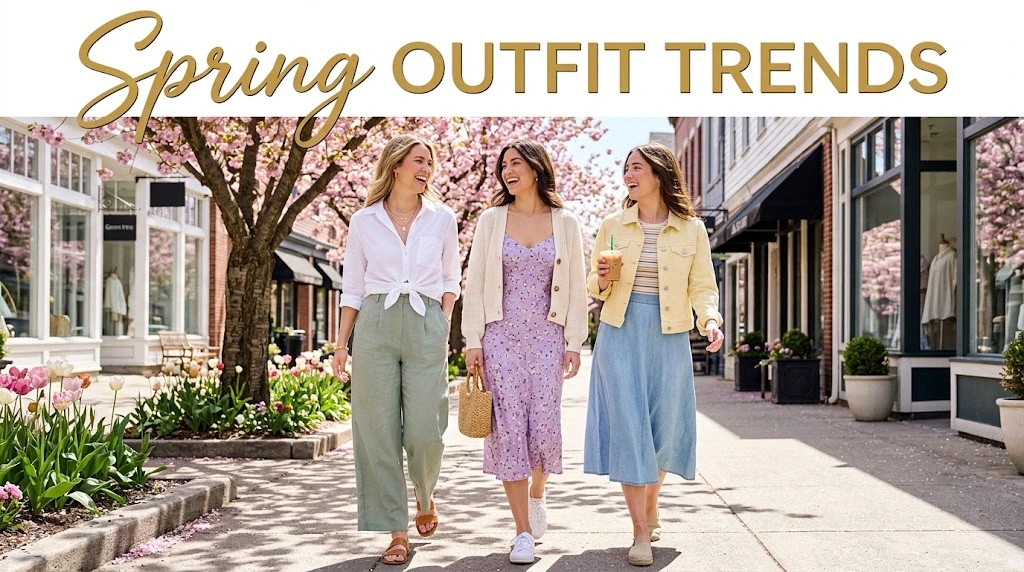
One of the easiest combinations is straight-leg jeans, a fitted T-shirt, a lightweight cardigan, and sneakers. It is simple, but the proportions make the outfit look intentional. Choose a slightly cropped cardigan if your jeans sit high on the waist, or try a longer layer with a relaxed pair of jeans.
Another dependable option is relaxed trousers with a basic tank and an open button-down shirt. This works especially well when the weather changes throughout the day. You can wear the shirt open in the afternoon and button it later when the temperature drops.
For weekends, try a denim skirt with a simple knit top and comfortable flats. Add a crossbody bag and small jewelry rather than piling on accessories.
A useful rule is to let one piece create the interest. If your jeans have an unusual cut, keep the top simple. If your blouse has a bold print, use quieter bottoms.
3. Spring Outfit Trends for Work and the Office
Spring work outfits need to look polished without becoming uncomfortable. Lightweight tailoring is particularly useful because it gives you structure without the heaviness of winter suiting.
Try wide-leg trousers with a tucked-in knit top and a tailored blazer. A simple belt can define the waist and give the outfit a cleaner finish.
A midi skirt is another strong choice. Pair it with a fitted sweater or crisp shirt and add loafers or low heels. This combination feels professional while still looking fresh.
For a more relaxed office, combine straight-leg trousers with a quality T-shirt, blazer, and polished sneakers. The trick is choosing pieces that look intentional rather than overly casual.
Keep these details in mind:
- Choose breathable fabrics when possible.
- Avoid excessive layering indoors.
- Keep your shoes polished and comfortable.
- Use one structured item to create a professional finish.
- Make sure hems and sleeves fit properly.
A good office outfit should allow you to focus on your work instead of constantly adjusting your clothes.
4. Spring Colors That Make Outfits Feel Fresh
Color can completely change how an outfit feels. You do not need to dress in bright colors from head to toe to create a spring look.
Soft shades such as pale blue, butter yellow, light pink, sage, cream, and soft green can make familiar outfits feel lighter. Neutral colors such as white, beige, tan, gray, navy, and denim remain excellent foundations.
If bright colors are not your thing, start small. A pastel cardigan, colored handbag, scarf, or pair of shoes can introduce spring color without changing your entire wardrobe.
You can also create a sophisticated tonal outfit. For example, combine cream trousers with an ivory top and beige shoes. The similar shades create visual harmony while different textures keep the outfit interesting.
One of my favorite styling tricks is to combine one soft color with a neutral base. A pale blue shirt with dark denim or a butter-yellow cardigan with cream trousers feels seasonal without looking costume-like.
5. Spring Denim Outfit Ideas
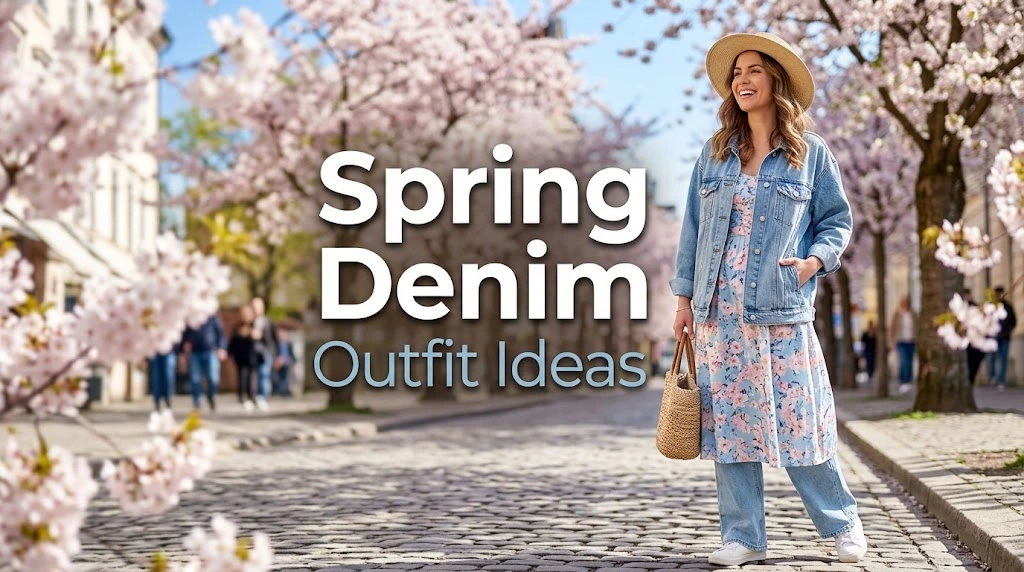
Denim is one of the easiest ways to participate in spring fashion because it works with almost everything.
Straight-leg jeans create a clean base for fitted tops, oversized shirts, blazers, and lightweight sweaters. Wide-leg jeans feel more relaxed and work particularly well with shorter jackets or tops that show some waist definition.
Do not overlook denim skirts. A midi denim skirt with a simple tank, cardigan, and flats can create an easy outfit for errands, lunch, or casual meetings.
For a more relaxed look, try jeans with:
- A striped shirt
- A white cotton top
- A cropped cardigan
- A lightweight blazer
- A simple sweatshirt
- A fitted tank and open shirt
The most common denim mistake is choosing every piece oversized at once. Loose jeans can look great with a relaxed top, but adding an extremely oversized jacket may hide your shape completely. Balance matters.
6. Spring Dresses and Skirt Trends
Spring naturally brings dresses and skirts back into everyday wardrobes. The best options are versatile enough to wear with different shoes and layers.
A simple midi dress can become several outfits. Wear it with sneakers for daytime, flats for a polished look, or low heels for dinner. Add a cardigan when the weather is cool or a denim jacket when you want a more casual feel.
Skirts offer even more flexibility. A flowing midi skirt can be paired with a fitted T-shirt for contrast. A structured skirt works nicely with a softer knit.
If you have a petite frame, pay attention to where the hem falls. A skirt that hits at an awkward point can visually shorten the legs. High-waisted styles and shoes that show more of the foot can help create a longer line.
For taller figures, longer skirts can look especially elegant with simple tops and minimal accessories.
The goal is not to follow one skirt trend. It is to choose a silhouette that makes you feel comfortable and confident.
7. Lightweight Layers for Unpredictable Spring Weather
Spring weather can be frustrating. The morning may feel chilly, the afternoon may become warm, and the evening can suddenly turn cool again.
That makes layering one of the most practical spring styling strategies.
Start with a breathable base layer. A T-shirt, tank, or lightweight long-sleeve top works well. Add a cardigan, overshirt, denim jacket, or lightweight blazer that you can easily remove.
Instead of wearing several thick pieces, use thin layers. This keeps your outfit comfortable and prevents the bulky feeling that often comes with winter dressing.
A useful combination is:
Tank top + button-down shirt + lightweight jacket + relaxed trousers
You can remove the jacket during the warmest part of the day and still have a complete outfit underneath.
Pay attention to sleeve lengths too. Rolling your shirt sleeves slightly can make a layered outfit look more relaxed and intentional.
8. Spring Outfit Trends for a Minimalist Wardrobe
You do not need dozens of trend pieces to create stylish spring outfits. In fact, a small wardrobe can make dressing easier because every item has a clear purpose.
Build around versatile basics such as:
- Straight-leg jeans
- Tailored trousers
- White or neutral T-shirts
- A crisp button-down
- Lightweight cardigan
- Simple blazer
- Midi skirt
- Comfortable flats
- Clean sneakers
- Medium-sized everyday bag
Once you have these pieces, add personality through color, texture, jewelry, scarves, or one seasonal item.
For example, a white shirt can be worn with jeans on Monday, tailored trousers on Tuesday, a midi skirt on Wednesday, and layered over a dress later in the week.
This approach also reduces unnecessary shopping. Before buying a new trend, ask yourself whether you can style it with at least three things you already own.
If the answer is no, it may not deserve space in your wardrobe.
9. Spring Street Style and Trend-Forward Looks
Street style often looks complicated in photographs, but many strong outfits rely on simple combinations.
Try pairing relaxed jeans with a fitted top, oversized blazer, and statement sneakers. The contrast between structured and casual pieces creates visual interest.
Another option is a long skirt with a sporty jacket and simple shoes. Mixing traditionally feminine and athletic pieces can make an outfit feel modern without requiring unusual clothing.
Accessories also play a major role in street-style outfits. Sunglasses, belts, shoulder bags, caps, and interesting jewelry can change the personality of basic clothing.
The trick is controlled contrast. If you combine oversized trousers, a large jacket, chunky shoes, and a huge bag, the outfit may lose definition. Keep at least one element relatively simple.
Street style works best when it looks like your clothes naturally belong together rather than like you tried to recreate a photograph.
10. Spring Shoes That Complete an Outfit
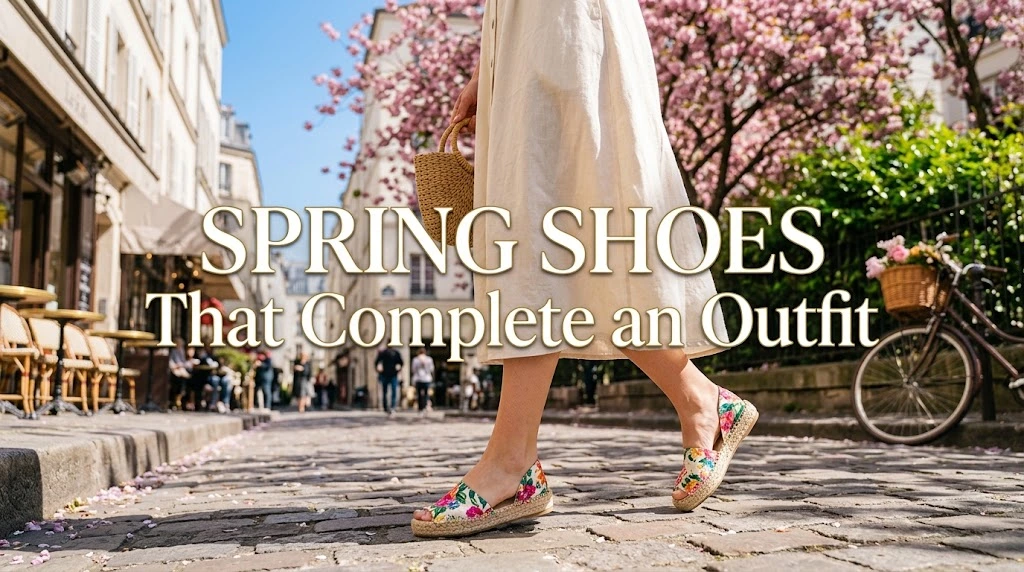
Shoes can make or break an otherwise good spring outfit. Fortunately, spring offers plenty of comfortable choices.
Clean sneakers work with jeans, skirts, casual dresses, and relaxed trousers. Loafers provide a slightly more polished option, especially for work or smart-casual outfits.
Ballet flats and other low-profile flats are useful when you want something feminine without wearing heels. Minimal sandals can also work when temperatures become warmer.
When choosing shoes, think about the visual weight of the outfit. Wide-leg trousers can usually handle a slightly stronger shoe, while a delicate skirt may look better with a lighter silhouette.
Your lifestyle matters too. There is little value in buying beautiful shoes that make you uncomfortable after fifteen minutes.
For everyday dressing, choose shoes that you can realistically walk in, especially if you commute or spend a lot of time outdoors.
11. How to Style Spring Outfits for Different Body Shapes
Good styling is not about hiding your body. It is about understanding proportions and choosing shapes that make you feel good.
If you want to emphasize your waist, try high-rise trousers, tucked shirts, or cropped layers. If you prefer a relaxed silhouette, combine a loose top with straighter bottoms or use a structured jacket to create definition.
For longer legs, high-waisted bottoms can help create a balanced vertical line. If you want to create the appearance of more height, wearing similar colors from top to bottom can reduce visual breaks.
If you have broader shoulders and want to create balance, softer bottoms such as flowing skirts or wider trousers can add visual weight below the waist.
If you prefer to emphasize your shoulders, a simple fitted top under a relaxed blazer can work beautifully.
Most importantly, fit matters more than body-shape rules. Clothing that fits properly usually looks better than clothing chosen according to a rigid fashion formula.
12. How to Make Spring Outfits Look More Expensive
You do not need designer clothing to make an outfit look polished. Small details often create the biggest difference.
Start with fit. A reasonably priced blazer that fits your shoulders correctly can look more refined than an expensive blazer with poor proportions.
Next, pay attention to fabric condition. Remove loose threads, clean your shoes, steam wrinkled clothes, and keep knitwear free from visible pilling.
Simple accessories can also help. A structured bag, clean belt, small earrings, or classic sunglasses can give a basic outfit a finished appearance.
Try this formula:
Simple outfit + excellent fit + clean shoes + one polished accessory
For example, straight-leg jeans and a white shirt may seem ordinary. Add a leather belt, sleek flats, structured bag, and neatly rolled sleeves, and the same pieces can look considerably more sophisticated.
Elegance often comes from restraint rather than excess.
13. Common Spring Styling Mistakes to Avoid
One common mistake is wearing too many trends at once. If your outfit includes an oversized blazer, statement denim, bold shoes, dramatic jewelry, and a loud print, there may be too much competing for attention.
Choose one main trend and let the rest of the outfit support it.
Another mistake is ignoring the weather. Spring clothing should not mean freezing in the morning just because a certain outfit looks good in a photograph. Carrying a light layer can solve this problem.
Poor proportions can also weaken an outfit. If everything is oversized, your shape can disappear. If everything is tight, the outfit may feel uncomfortable and dated.
Avoid buying clothing simply because it is described as a seasonal trend. Ask yourself:
- Does it fit comfortably?
- Can I wear it in several ways?
- Does it suit my lifestyle?
- Do I already own similar pieces?
- Would I still like it next season?
Finally, do not underestimate footwear. Even a beautiful outfit can look unfinished when the shoes are dirty, damaged, or clearly uncomfortable.
14. How to Build a Spring Capsule Wardrobe
A spring capsule wardrobe should make daily dressing easier, not create another set of fashion rules.
Begin with a small group of neutral pieces and add a few colors that work well together. You want enough variety to create different outfits without owning duplicates.
A practical capsule might include:
- 2–3 pairs of jeans or trousers
- 3–5 everyday tops
- 1 button-down shirt
- 1 lightweight cardigan
- 1 blazer or casual jacket
- 1 skirt
- 1 versatile dress
- 1 pair of sneakers
- 1 pair of flats or loafers
- 1 everyday bag
- A few simple accessories
The exact number does not matter. What matters is mix-and-match potential.
Before purchasing something, imagine three complete outfits using it. If you can immediately create several combinations, it is probably a useful addition.
A capsule wardrobe also gives you room to experiment. Instead of spending your entire budget on trend pieces, you can invest in better basics and add inexpensive seasonal accessories when your style changes.
15. How to Create Your Own Spring Outfit Style
The strongest spring wardrobe is not the one that follows every trend. It is the one that makes getting dressed easier while still feeling like you.
Start by identifying the outfits you naturally reach for. Do you prefer jeans and sneakers? Dresses and flats? Tailored trousers and blazers? Sporty layers? Romantic skirts?
Once you know your natural direction, use trends selectively.
For example, someone who loves classic clothing might add a modern oversized blazer. Someone with a sporty wardrobe could introduce a flowing skirt with sneakers. Someone who prefers feminine outfits could add a relaxed denim jacket to make dresses feel more casual.
Keep a simple balance between comfort, fit, color, and personality.
When an outfit feels slightly wrong, do not immediately assume you need new clothes. Try changing one element. Swap the shoes, tuck the shirt, add a belt, roll the sleeves, remove an accessory, or change the proportions.
That small adjustment can transform the entire look.
Spring fashion should feel like an opportunity, not a test. You do not have to wear every new trend. You only need to find the pieces that make your existing wardrobe feel fresh again.
Conclusion
The best spring outfit trends are the ones you can actually live in. Relaxed tailoring, versatile denim, lightweight layers, skirts, dresses, fresh colors, comfortable shoes, and thoughtful accessories give you plenty of ways to update your wardrobe without starting from scratch.
The biggest styling lesson is simple: trends should serve your personal style, not replace it. A fashionable outfit means very little if you cannot move comfortably, feel confident, or imagine wearing it again.
Start with pieces you already love. Add one seasonal idea at a time. Pay attention to proportions, keep your layers practical, and use accessories to show some personality.
Most importantly, have fun with it. Spring is one of the easiest seasons for experimenting because you can mix warm-weather pieces with familiar layers. With a little creativity, even your oldest wardrobe staples can feel completely new.
FAQs About Spring Outfit Trends
1. What are the most popular spring outfit trends?
Popular spring looks include relaxed tailoring, straight and wide-leg denim, lightweight knitwear, midi skirts, casual dresses, button-down shirts, comfortable sneakers, loafers, and fresh seasonal colors. The strongest looks combine trend pieces with practical wardrobe basics.
2. What should I wear for a casual spring day?
For an easy casual outfit, try straight-leg jeans with a T-shirt, lightweight cardigan, and sneakers. You can also wear relaxed trousers with a tank and an open button-down shirt. Add a crossbody bag and simple jewelry for a finished look.
3. What colors are best for spring outfits?
Soft blue, pale pink, butter yellow, sage, cream, beige, light green, and white all work well for spring. You can also keep your outfit neutral and introduce color through one accessory or layer.
4. How can I dress stylishly in unpredictable spring weather?
Use lightweight layers rather than one heavy piece. Start with a breathable top and add a cardigan, overshirt, blazer, or light jacket that you can remove during warmer parts of the day.
5. Can I wear sneakers with skirts and dresses in spring?
Absolutely. Sneakers can make skirts and dresses feel more relaxed and practical. For a balanced outfit, pair a feminine skirt or dress with clean, simple sneakers and keep the rest of the accessories relatively understated.
6. How can I follow spring trends without spending a lot of money?
Start with the clothes you already own. Update familiar outfits with one seasonal color, accessory, layer, or shoe. Before buying anything new, make sure you can create at least three outfits with it.
7. How do I make spring outfits look more polished?
Focus on fit, clean shoes, neat clothing, balanced proportions, and simple accessories. A well-fitted blazer, tucked shirt, quality-looking belt, structured bag, or polished flats can make basic clothing look much more intentional.