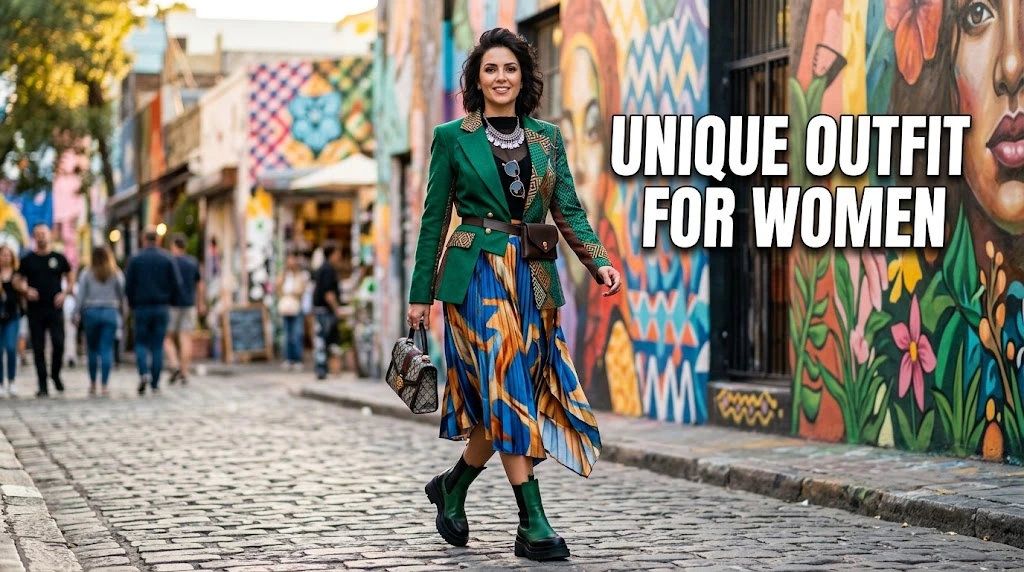
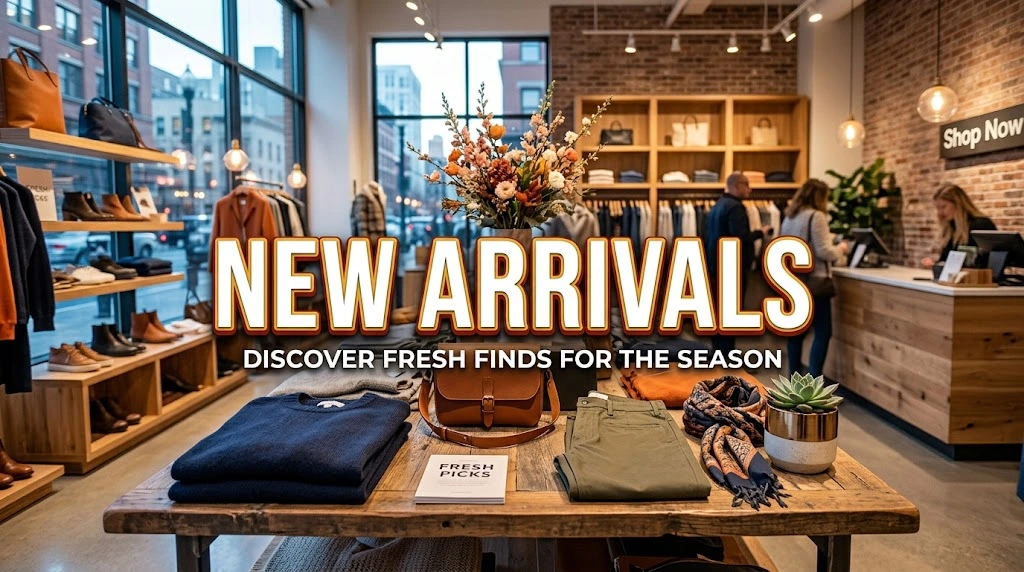
There is something exciting about seeing a new arrivals section filled with fresh clothes, new colors, and pieces you have not seen before. Even when you already have a full wardrobe, one well-chosen new item can make your everyday outfits feel completely different. The trick, however, is knowing what deserves a place in your closet and what will only look exciting for a few weeks.
Shopping new arrivals should not mean buying everything that catches your eye. The best approach is to look at new fashion through the lens of your personal style, lifestyle, season, comfort, and existing wardrobe. A beautiful jacket is not a smart purchase if you have nothing to wear with it. Likewise, a simple white shirt can become one of your most useful pieces when the cut, fabric, and fit are right.
This guide explains how to shop new fashion arrivals with a practical eye. You will learn what to look for, how to identify useful trends, how to build outfits around fresh pieces, and how to avoid common shopping mistakes. Whether you shop online, visit stores, or simply want inspiration for your next outfit, these ideas can help you make better fashion choices.
What Are New Arrivals in Fashion?
New arrivals are the latest products added to a fashion store or clothing collection. They can include dresses, tops, jeans, trousers, skirts, jackets, shoes, handbags, accessories, and seasonal pieces.
Retailers use new arrivals to show shoppers what has recently entered their collection. These products may reflect current fashion trends, upcoming seasonal styles, or updated versions of classic clothing.
For example, a store might add linen shirts and relaxed trousers before summer. As autumn approaches, the same retailer may introduce knitwear, tailored coats, boots, and darker colors.
New arrivals are useful because they give you a quick view of what is currently available. However, “new” does not automatically mean “better.” A smart shopper looks beyond the date a product was released.
Ask yourself:
- Does this piece fit my personal style?
- Can I wear it with clothes I already own?
- Is the fabric suitable for my climate?
- Does the fit flatter my body comfortably?
- Will I still want to wear it next season?
That small pause can prevent many unnecessary purchases.
Why New Fashion Arrivals Matter for Your Wardrobe
Fashion changes constantly, but your wardrobe does not need to change at the same speed. New arrivals can help you refresh your closet without starting over.
Sometimes a wardrobe needs only one or two updated pieces. A new blazer can make old jeans feel polished. A fresh pair of sneakers can give a basic outfit a modern edge. A new handbag can change the entire mood of a simple dress.
This is especially helpful if your personal style is already clear. Instead of chasing every trend, you can choose new items that support the look you already enjoy.
For example, someone who loves minimal outfits might choose a structured shirt, straight-leg trousers, or a clean leather-style bag. Someone with a romantic style might look for flowing dresses, soft textures, and delicate details.
The goal is not to make your wardrobe look completely new every month. The goal is to make your existing wardrobe work harder.
A useful rule is the three-outfit test. Before buying a new item, imagine at least three outfits you could create with pieces you already own. If you can do that easily, the item has a better chance of becoming a regular part of your wardrobe.
How to Choose the Best New Arrivals
The most attractive item on a product page is not always the most useful one. Good fashion shopping starts with understanding what you actually need.
Begin by checking your wardrobe. Look for gaps rather than simply looking for something new.
You might discover that you have:
- Plenty of casual tops but few smart shirts.
- Many dresses but no comfortable everyday shoes.
- Several pairs of jeans but very few lightweight trousers.
- Lots of neutral clothes but no statement piece.
- Plenty of summer clothes but limited layering options.
Once you identify a gap, browsing new arrivals becomes much easier.
Fit should come before trend. A fashionable piece that feels uncomfortable will probably stay in your closet. Pay attention to shoulder placement, sleeve length, waist position, rise, and overall movement.
Fabric matters too. A beautiful design can become frustrating if the material feels uncomfortable in your weather. Lightweight cotton, linen blends, breathable viscose, denim, wool blends, and other fabrics each have different benefits.
Finally, consider care requirements. If you dislike ironing or dry cleaning, a delicate high-maintenance item may not suit your lifestyle, no matter how beautiful it looks.
New Arrivals for Every Season
Seasonal fashion arrivals are designed around changing temperatures, colors, fabrics, and everyday needs. Understanding these differences can make shopping much more practical.
Spring often brings lighter layers, fresh colors, transitional jackets, skirts, shirts, and comfortable footwear. A lightweight blazer can be particularly useful because it works over both casual and polished outfits.
Summer usually focuses on breathable fabrics and easy silhouettes. Dresses, cotton shirts, relaxed trousers, lightweight skirts, sandals, and simple accessories can create outfits that feel comfortable without looking unfinished.
Fall introduces more layering. Cardigans, denim jackets, overshirts, knit tops, boots, trousers, and lightweight coats become useful. Fall is also a good time to experiment with texture because different fabrics can make a simple outfit look richer.
Winter places more emphasis on warmth. Coats, knitwear, scarves, boots, thermal layers, and heavier trousers become wardrobe essentials.
One important styling lesson is that you do not need to buy an entirely new wardrobe whenever the season changes. Choose versatile pieces that can transition between seasons.
For instance, a summer dress can work with a cardigan and boots in cooler weather. A button-down shirt can be worn alone in warm temperatures and underneath a sweater later.
New Arrivals for Women: What Is Worth Buying?

Women’s new fashion arrivals cover a huge range of styles, so the best choices depend on lifestyle and personal taste.
For everyday wear, look for pieces that combine comfort with structure. A well-cut shirt, straight-leg trousers, relaxed denim, a simple knit, or a versatile jacket can become the foundation of many outfits.
For workwear, focus on polished pieces that are easy to combine. A blazer, tailored trousers, elegant blouse, midi skirt, or refined dress can create multiple professional looks.
For evenings, you can be more adventurous. A statement dress, textured top, sleek trousers, or eye-catching accessories can add personality without requiring a complete outfit overhaul.
When shopping women’s new arrivals, think about cost per wear. A piece that costs more but works for many occasions can offer better value than a cheap item you wear once.
For example, a neutral blazer may work for work, dinner, travel, family events, and casual weekends. A highly specific novelty item may have fewer opportunities.
That does not mean you should avoid fun fashion. Every wardrobe can use a little personality. Just balance statement pieces with reliable essentials.
New Arrivals for Men: Building a Modern Wardrobe
Men’s new arrivals can also be approached with a balance of trends and timeless clothing.
A modern men’s wardrobe does not need dozens of pieces. A few strong essentials can create many combinations.
Consider:
- Well-fitting jeans.
- Straight or relaxed trousers.
- Plain and textured T-shirts.
- Oxford or casual button-down shirts.
- Lightweight jackets.
- Knitwear for layering.
- Clean sneakers.
- Smart casual shoes.
- A versatile overshirt.
When a new trend appears, you can introduce it through one item instead of rebuilding your entire wardrobe.
For example, if relaxed trousers become popular, you do not need to replace every pair of trousers you own. Try one pair and see how they fit into your existing style.
The same principle works with colors. If you usually wear navy, black, white, gray, and beige, adding one seasonal shade can make your wardrobe feel fresher without making it difficult to coordinate.
Fit remains essential. Even expensive clothing can look ordinary when the proportions are wrong. Pay attention to shoulder width, trouser length, sleeve length, and how the garment sits when you move.
How to Style New Arrivals With Clothes You Already Own
One of the easiest ways to make a new piece useful is to pair it with familiar clothing.
Imagine you buy a new oversized blazer. You could wear it with jeans and a T-shirt for a relaxed look. For work, pair it with tailored trousers and a simple blouse. For evening plans, wear it over a fitted top with a skirt or sleek trousers.
The same principle applies to dresses, shirts, skirts, and accessories.
A useful styling formula is:
One new piece + two familiar basics + one finishing accessory.
For example, try a new statement skirt with a basic top, familiar shoes, and a small handbag. The new item remains the focus without making the outfit feel complicated.
Another useful trick is to change the styling rather than the clothing. Roll the sleeves of a shirt, add a belt to a loose dress, tuck only the front of a top, or layer a fitted piece underneath an oversized garment.
These small changes can make one new item feel like several different outfits.
New Arrivals and Current Fashion Trends
New arrivals often reflect the direction of current fashion. You may notice certain colors, shapes, fabrics, prints, or proportions appearing across different collections.
But trend awareness does not mean following every trend.
A trend becomes more useful when it fits naturally into your wardrobe. If relaxed silhouettes appeal to you, try a wide-leg trouser or oversized shirt. If you enjoy classic clothing, introduce a trend through an accessory rather than changing your entire silhouette.
Experts often think about trends in three levels:
- Micro trends — short-lived styles that may quickly disappear.
- Seasonal trends — styles that remain popular for a season or two.
- Longer-term shifts — changes in silhouettes, fabrics, or attitudes that influence fashion for years.
You do not need to avoid micro trends completely. They can be fun. The key is to avoid spending most of your wardrobe budget on pieces that have a very short fashion life.
A simple test helps: if you would still like the item without seeing it on social media, you probably genuinely like it.
How to Shop New Arrivals Online
Online shopping makes new collections easy to browse, but it also creates a common problem: buying based only on attractive photos.
Always read the product description. Check the fabric composition, measurements, care instructions, and available sizes.
Do not rely entirely on the size label. Sizing can differ between brands and even between different garments from the same brand.
Before ordering, check:
- Garment measurements.
- Fabric composition.
- Stretch level.
- Model height and size, when provided.
- Product reviews.
- Return and exchange conditions.
- Estimated delivery time.
- Care instructions.
Customer reviews can be especially helpful when they discuss fit. A review saying “the sleeves run short” or “the fabric is thinner than expected” can provide information that a studio photograph cannot.
Also look carefully at product photographs. Zoom in on stitching, fabric texture, closures, buttons, pockets, and lining when the website provides detailed images.
A strong online shopping habit is to leave an item in your cart for a short time before purchasing. If you still want it after the initial excitement fades, it may be a better decision.
How to Tell if a New Arrival Is High Quality
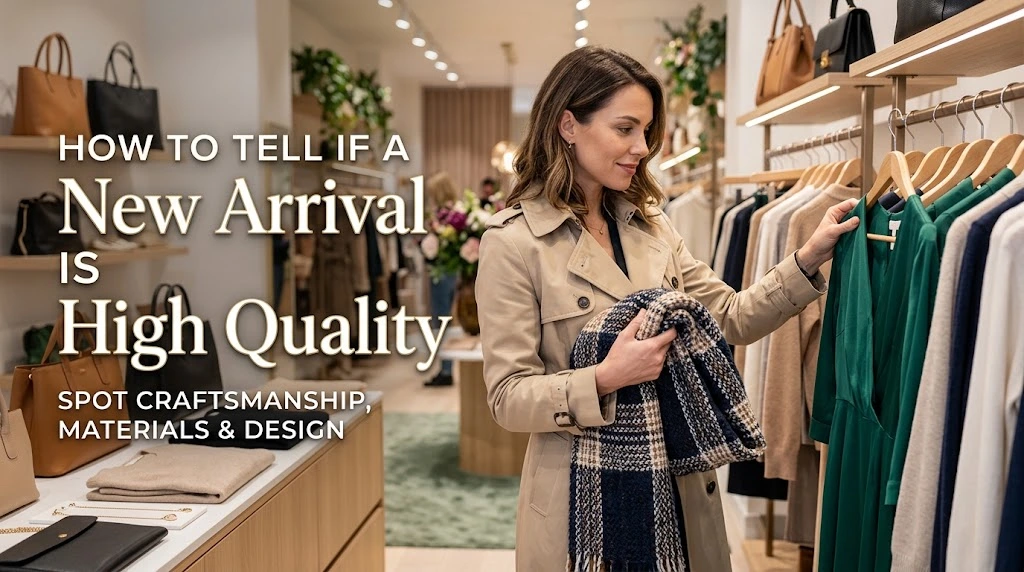
Price alone does not tell you whether a garment is well made. Quality comes from several details working together.
Start with the fabric. Look for material that feels appropriate for the garment’s purpose. A lightweight summer shirt should feel breathable, while a winter coat needs enough structure and warmth for its intended use.
Then inspect construction.
Check:
- Straight and secure seams.
- Even stitching.
- Neat hems.
- Strong buttons.
- Smooth zippers.
- Properly finished edges.
- Good lining where appropriate.
- Balanced patterns on patterned garments.
For jackets and coats, look closely at the shoulders and lining. For trousers, check the waistband, pockets, seams, and zipper. For shirts, inspect the collar and cuffs.
Also consider how the garment behaves when you move. Sit down, lift your arms, walk around, or bend slightly. Clothing should support your life rather than force you to constantly adjust it.
Comfort is part of quality. A garment that looks excellent but cannot be worn comfortably is not a successful purchase.
Common Mistakes People Make With New Arrivals
The excitement of a fresh collection can make shopping decisions harder. Several mistakes appear again and again.
The first is buying simply because something is new. Newness creates excitement, but excitement is not the same as usefulness.
The second is buying a trend without considering personal style. A garment may look excellent on someone else while feeling completely wrong for you.
Another mistake is ignoring your existing wardrobe. Before buying, think about your shoes, bags, jackets, trousers, and tops. A new item should ideally connect with several pieces you already own.
Buying the wrong size is another common problem. Do not purchase a smaller size because you hope it will fit later. Buy for your current body and prioritize comfort.
People also underestimate maintenance. A beautiful item that requires constant special care may rarely leave the closet.
Finally, avoid using discounts as a reason to buy something unnecessary. A reduced price does not turn an unwanted item into a smart purchase.
A useful question is: “Would I buy this at full price if it were not on sale?” If the answer is no, pause before checking out.
How to Build Outfits Around One New Piece
You do not need a completely new outfit for every new arrival. Instead, learn to build multiple looks around one item.
Suppose you purchase a new pair of wide-leg trousers. Start with a fitted T-shirt and sneakers for a casual outfit. Next, try a tucked-in shirt with loafers for a polished daytime look. Then add a fitted top, statement earrings, and a structured bag for evening plans.
One piece can create several different moods.
The same approach works with outerwear. A new jacket can transform basic jeans and a T-shirt. Add tailored trousers for a smarter outfit. Layer it over a dress when you want something more feminine.
Color coordination also helps. If your new piece has a strong color, keep the rest of the outfit simple. If the new item is neutral, use accessories to add personality.
Proportion matters too. When wearing something oversized on top, a more streamlined bottom can create balance. With wide-leg trousers, a tucked or shorter top can help define the waist.
There are no absolute fashion rules, but balance usually makes an outfit feel intentional.
How to Create a Smart New Arrivals Shopping List
A shopping list may sound boring when you are looking at exciting new fashion, but it can actually make shopping more enjoyable.
Start with three categories:
Need: Items that solve a genuine wardrobe problem.
Update: Existing categories that could use a more modern version.
Want: Fun pieces that simply make you happy.
This system allows room for enjoyment while keeping your spending under control.
For example:
- Need: comfortable everyday trousers.
- Update: a new structured blazer.
- Want: a bold printed handbag.
You can also set a rough budget before browsing. Decide how much you are comfortable spending overall and how much you want to allocate to essentials versus statement pieces.
Another smart habit is to keep a simple wardrobe inventory. You do not need a complicated spreadsheet. Even a note on your phone can help you remember what you already have.
When a new arrival catches your attention, compare it with your list. If it does not fit any category, ask why you want it.
Sometimes the answer will be “because I love it.” That can be enough for a fun purchase, as long as it fits your budget and lifestyle.
New Arrivals for Different Personal Styles
Fashion becomes much easier when you understand your own style.
For a minimalist wardrobe, look for clean lines, neutral colors, simple silhouettes, and pieces that work together.
For a classic style, focus on tailored clothing, timeless patterns, structured bags, polished shoes, and quality basics.
For a romantic style, explore flowing shapes, soft fabrics, feminine details, subtle prints, and delicate accessories.
For a streetwear wardrobe, consider relaxed silhouettes, sneakers, graphic pieces, utility details, denim, and layered outfits.
For a bohemian-inspired style, look at natural textures, flowing shapes, earthy shades, relaxed trousers, woven accessories, and expressive prints.
If your style is a mixture, that is perfectly fine. Many of the best wardrobes are personal combinations rather than one strict category.
One of my favorite styling principles is to let your wardrobe show who you are rather than what is trending. Trends can provide inspiration, but personal style gives an outfit its identity.
How to Shop New Arrivals on a Budget
You do not need a large fashion budget to enjoy new arrivals.
Start by identifying pieces that will create the most outfits. A versatile shirt, everyday trousers, practical shoes, or lightweight jacket may provide more value than a highly specific statement piece.
Watch the fabric and construction rather than focusing only on brand names. A simple garment with good fit and useful styling potential can outperform a more expensive piece that does not suit your lifestyle.
You can also use a cost-per-wear approach.
If a $100 jacket gets worn 50 times, its cost per wear is $2. If a $40 top gets worn twice, its cost per wear is $20.
Of course, fashion is not purely mathematical. You are allowed to buy something simply because it brings you joy. The calculation is simply a useful tool when deciding between several purchases.
Another budget-friendly strategy is to buy one strong new piece instead of several average ones. One excellent jacket can refresh outfits you already own.
How to Make New Arrivals More Sustainable
Responsible fashion shopping starts with buying less impulsively and using clothing for longer.
Before buying a new item, think about its expected life in your wardrobe. Can you imagine wearing it next year? Can you style it in several ways? Does it have enough quality to handle regular use?
Look for durable construction and fabrics that suit the garment’s purpose. Take care of your clothes according to their care labels, because washing and drying habits can affect their lifespan.
You can also make new arrivals more sustainable by giving existing clothing more attention. Sometimes a different combination, simple alteration, repair, or new accessory can make an old piece feel fresh again.
Consider secondhand shopping when appropriate. Pre-owned fashion can extend the life of garments and provide access to unique pieces that are no longer sold as new.
Most importantly, avoid confusing constant consumption with personal style. A stylish wardrobe is not necessarily a large wardrobe.
The strongest wardrobe is one where most pieces earn their place through repeated use.
How to Know When a New Arrival Is Worth Buying
The final decision should be simple, even if the shopping process is not.
Before buying, ask yourself five questions:
- Do I genuinely like it?
- Does it fit comfortably?
- Can I create at least three outfits with it?
- Does it suit my lifestyle and climate?
- Will I realistically wear it enough to justify the cost?
If most answers are yes, the piece may be worth considering.
Also give yourself permission to walk away. Not every beautiful garment belongs in your wardrobe.
The best new arrivals are the ones that add something useful, exciting, or meaningful to what you already own. They should make getting dressed easier, not create another piece of clothing you have to figure out how to wear.
Think of your wardrobe as a collection that grows slowly. Each purchase should have a reason.
Conclusion
Shopping new arrivals can be exciting without becoming overwhelming. The smartest approach is not to chase every new trend or buy something simply because a retailer calls it “new.” Instead, focus on fit, quality, versatility, personal style, comfort, and real-life use.
A great new piece should work with your existing wardrobe. It should feel good when you wear it, suit your lifestyle, and give you more outfit possibilities. Sometimes that means choosing a timeless shirt instead of a dramatic trend. Other times, it means buying the colorful dress that makes you genuinely happy.
Fashion is personal. Your wardrobe does not need to look like a store display to look stylish.
Use new arrivals as inspiration, then make thoughtful choices that feel like you. When you combine fresh fashion with smart styling, even a small wardrobe update can make everyday dressing feel new again.
FAQs About New Arrivals
What does new arrivals mean in fashion?
New arrivals are the latest clothing, shoes, accessories, and other fashion products recently added to a retailer’s collection. They may include seasonal pieces, trend-led designs, updated basics, or new versions of popular styles.
How often should I shop new arrivals?
There is no fixed schedule. Instead of shopping every time a new collection appears, shop when you have a genuine wardrobe need or find a piece that offers clear value. Seasonal wardrobe checks can be enough for many people.
Are new arrivals always based on current trends?
Not always. New arrivals can include current trends, but retailers also release classic basics, wardrobe essentials, seasonal staples, and updated versions of existing designs.
How can I choose new arrivals that will not go out of style quickly?
Prioritize good fit, quality construction, versatile colors, and silhouettes that work with your existing wardrobe. If you want to try a short-term trend, introduce it through an accessory or one smaller piece rather than rebuilding your entire closet.
What should I check before buying new arrivals online?
Check the size guide, garment measurements, fabric composition, care instructions, customer reviews, product photographs, and return policy. These details can help you avoid problems with fit, quality, and expectations.
How many new clothes should I buy each season?
There is no ideal number. A better approach is to identify wardrobe gaps and buy pieces that you will actually wear. A few versatile items can often create more value than a large collection of impulse purchases.
How can I make new arrivals work with my old clothes?
Start with one new item and combine it with familiar basics. Try different shoes, layers, bags, and accessories to create several outfits. The goal is to make the new piece part of your wardrobe rather than treating it as a one-time outfit.