
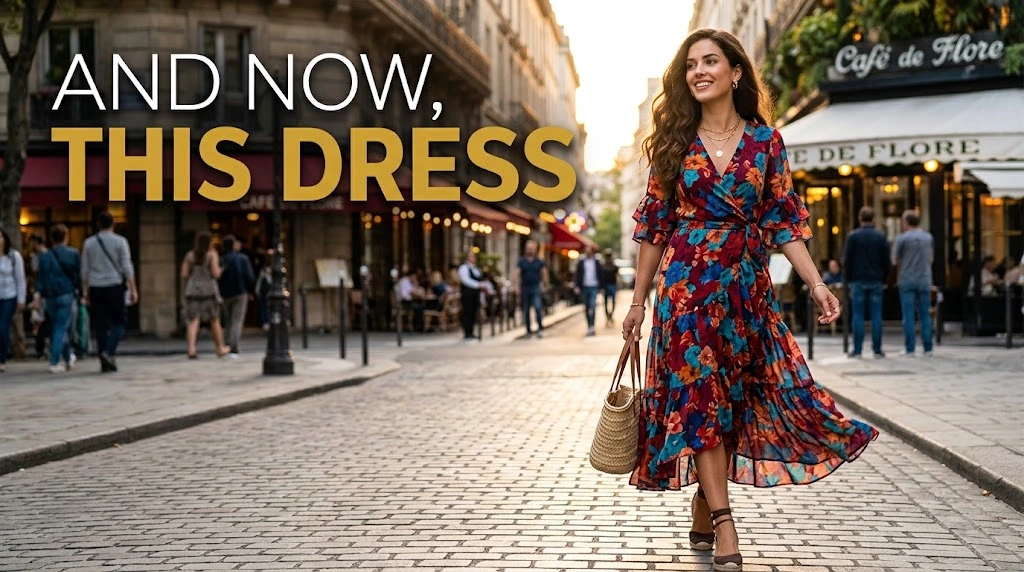
There are dresses that look good on a hanger, and then there are dresses that make you stop scrolling, pause in front of the mirror, and think, “This is the one.” That feeling is exactly what makes and now this dress such an interesting fashion phrase. It suggests more than a piece of clothing. It captures that little moment when you find a dress that feels right for your mood, your body, and the occasion.
A great dress does not need to be complicated. Sometimes the most memorable look comes from a simple silhouette, beautiful fabric, and a few thoughtful accessories. The trick is knowing how to choose it, how to style it, and how to make it feel like your own.
Whether you are searching for a casual everyday dress, an elegant occasion outfit, a statement piece, or inspiration for your next wardrobe update, this guide breaks down the idea from every useful angle. You will find styling advice, fit tips, outfit combinations, seasonal ideas, mistakes to avoid, and practical ways to get more wear from one beautiful dress.
What Does and Now This Dress Mean in Fashion?
The phrase and now this dress works naturally as a fashion-style expression for introducing or highlighting a particular dress. It can describe the moment when a dress becomes the focus of an outfit, a shopping discovery, a social post, or a personal style decision.
Think of it as the fashion equivalent of a dramatic reveal. You have your shoes, bag, jewelry, and makeup planned, and then the dress becomes the piece that pulls everything together.
In everyday styling, the phrase can also represent a simple fashion philosophy: let the dress have its moment.
That does not mean every dress needs to be dramatic. A soft cotton midi can have the same effect as a sequined evening gown when it fits beautifully and suits the person wearing it.
When choosing a dress, look beyond trends. Ask yourself:
- Does the shape flatter me?
- Can I move comfortably?
- Does the fabric suit the occasion?
- Can I style it in more than one way?
- Does it feel like something I would actually wear?
Those questions usually lead to better purchases than simply following what is popular.
How to Choose the Perfect Dress for Your Body Shape
Finding a flattering dress starts with understanding proportions rather than trying to follow strict body-shape rules.
Fashion advice often divides bodies into categories such as pear, apple, hourglass, rectangle, or inverted triangle. These labels can be useful, but they are not rules. Your comfort and personal preference matter more than a category.
If you want to create more definition around the waist, try wrap dresses, belted styles, or dresses with shaped seams. If you prefer to draw attention toward your shoulders and neckline, look for interesting sleeves, square necklines, or subtle details around the upper body.
For someone who likes a longer, flowing silhouette, an A-line or relaxed maxi dress can create beautiful movement. If you enjoy showing your legs, a mini or knee-length style may feel more natural.
The most important fit test is simple: stand, sit, walk, and move your arms before deciding that a dress fits perfectly.
A dress that looks wonderful while you are standing still but pulls when you sit down is not a successful fit.
The Best Dress Styles for Everyday Wear
Everyday dresses should make getting dressed easier, not harder.
For casual wardrobes, jersey dresses, cotton shirt dresses, relaxed midi dresses, knit dresses, and simple A-line silhouettes are especially practical. They can move between errands, lunch dates, casual offices, and weekend plans with small styling changes.
A shirt dress is particularly useful because it gives you structure without feeling too formal. Wear it with sneakers for daytime or switch to loafers and a structured bag for a polished look.
A simple cotton midi can work beautifully with:
- White sneakers
- Flat sandals
- A denim jacket
- A crossbody bag
- Small hoop earrings
- A lightweight cardigan
The secret to making an everyday dress feel fresh is not buying a new dress every week. Instead, change the supporting pieces.
The same neutral dress can look completely different with sneakers and a canvas tote compared with ankle boots and a leather handbag.
How to Style a Dress for a Special Occasion
Special occasions give you a chance to make your dress the star.
For weddings, dinners, celebrations, and formal gatherings, consider the event’s dress code before choosing accessories. A beautiful dress can quickly look inappropriate if the styling does not match the setting.
For a semi-formal event, a midi dress with elegant heels and delicate jewelry can strike the right balance. For a more formal evening, consider a floor-length dress, refined accessories, and a sophisticated clutch.
If the dress already has sequins, bold prints, dramatic sleeves, or strong color, keep the accessories quieter.
If the dress is minimal, you can introduce personality through:
- Statement earrings
- Metallic shoes
- A sculptural handbag
- A bold bracelet
- An elegant hair accessory
A useful styling rule is one main statement at a time. When everything competes for attention, the outfit can lose its sense of polish.
Casual Ways to Make a Dress Look More Stylish
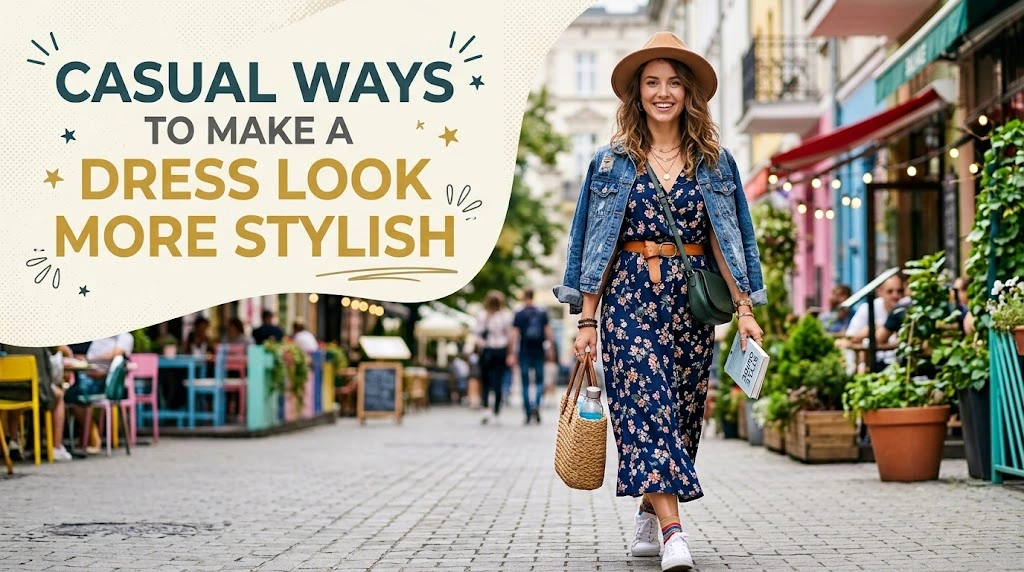
A dress does not have to look overly feminine or formal.
One of the easiest ways to create a relaxed outfit is to combine the dress with casual pieces. Sneakers instantly make many dresses feel more approachable. A denim jacket adds structure and texture, while a loose cardigan creates a softer appearance.
You can also experiment with layering.
Try wearing a fitted T-shirt underneath a sleeveless dress for a youthful casual look. During cooler weather, layer a turtleneck underneath a slip dress and add boots.
Another favorite styling trick is adding a belt. A belt can change the entire shape of a relaxed dress and create a more intentional silhouette.
For a casual weekend outfit, imagine a printed midi dress, clean sneakers, a small crossbody bag, and simple sunglasses. Nothing feels overworked, but the outfit still looks complete.
The Right Dress for Different Seasons
A dress can work throughout the year when you choose the fabric and layers carefully.
Spring
Spring is ideal for lightweight cotton, linen blends, soft knits, and floral or pastel prints. Pair a midi dress with ballet flats, loafers, or clean sneakers.
Summer
Choose breathable fabrics such as cotton and linen. Loose silhouettes can feel much more comfortable during hot weather than tight synthetic fabrics.
Sandals, woven bags, sunglasses, and minimal jewelry complete an easy summer look.
Fall
Autumn is where layering becomes exciting. Wear dresses with ankle boots, cardigans, leather jackets, scarves, or tailored coats.
A floral summer dress can often stay in your wardrobe during fall. Simply add a knit layer and boots.
Winter
For cold weather, choose heavier knits or layer lighter dresses over tights and under coats. Knee-high boots can add warmth while creating a polished silhouette.
This approach gives a wardrobe more flexibility and reduces the need to buy completely new outfits every season.
How Color Changes the Mood of a Dress
Color has a powerful effect on how an outfit feels.
Black can look sophisticated and versatile. White can feel fresh and clean. Red creates a stronger visual impact, while soft blue often feels calm and effortless.
Neutrals such as beige, cream, gray, brown, navy, and black are especially useful because they pair easily with different accessories.
But a wardrobe does not need to be entirely neutral.
If you usually wear simple colors, try introducing one colorful dress rather than changing your whole wardrobe. A rich green, deep burgundy, cobalt blue, or warm terracotta shade can instantly add personality.
When choosing a color, consider more than your skin tone. Think about your existing wardrobe, the occasions you attend, and whether you genuinely enjoy wearing the shade.
The best color is one that makes you feel confident.
How to Accessorize and Now This Dress
Accessories should support the dress rather than fight with it.
Start by looking at the neckline. A high neckline may already provide enough visual detail, while a simple scoop or square neckline can create space for a necklace.
Then consider the sleeves and overall shape.
A dramatic sleeve may pair better with simple earrings. A minimalist sleeveless dress gives you more freedom to experiment with necklaces, bracelets, or statement earrings.
Your handbag also matters.
A small structured bag can make a casual dress look more polished. A relaxed tote can make a formal-looking dress feel more suitable for daytime.
Shoes can completely transform the outfit:
- Sneakers create a modern casual look.
- Ballet flats feel feminine and understated.
- Loafers add a smart touch.
- Ankle boots create an edgier appearance.
- Heels increase formality.
- Flat sandals work beautifully for relaxed summer outfits.
Before leaving home, remove one accessory and look in the mirror. If the outfit still feels complete, you probably had enough accessories to begin with.
How to Make One Dress Create Multiple Outfits
One of the smartest fashion habits is learning how to restyle what you already own.
Imagine you have a simple black midi dress.
For work, add a blazer, loafers, and a structured handbag.
For the weekend, replace the blazer with a denim jacket and wear sneakers.
For dinner, add heels, gold-tone earrings, and a small clutch.
For cooler weather, add a fitted knit layer, tights, and knee-high boots.
The dress did not change. The styling changed.
This approach saves money and makes your wardrobe more versatile.
When shopping for a new dress, try to imagine at least three outfits before buying it. If you can only picture one very specific combination, the dress may not offer enough value for your wardrobe.
How Fabric Affects the Look and Feel of a Dress
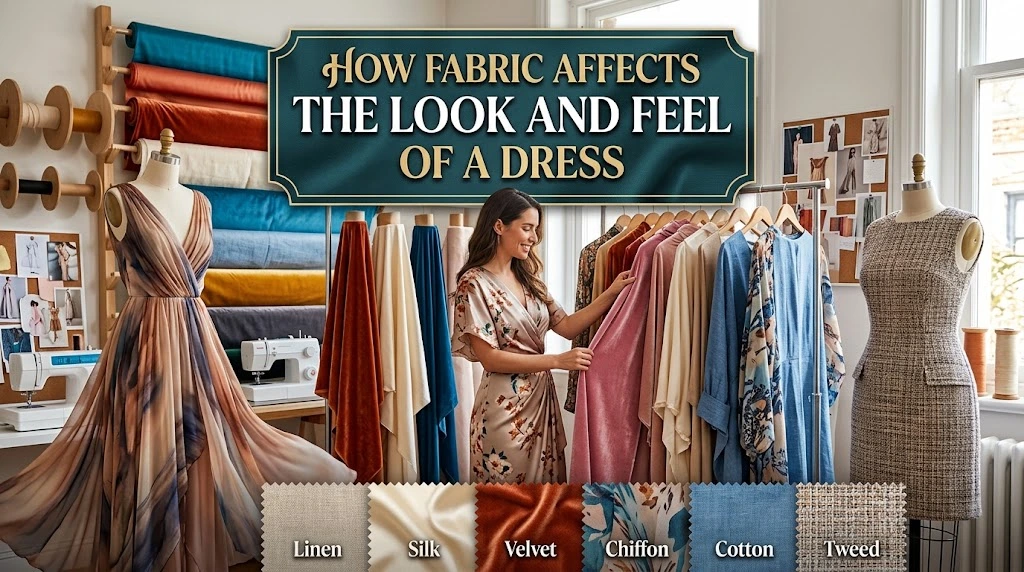
Fabric is one of the biggest factors people overlook when buying clothing.
Cotton usually works well for breathable casual dresses. Linen has a relaxed texture and is excellent for warm weather, although natural linen can wrinkle easily.
Silk and satin can create a more luxurious appearance but may require more careful handling. Wool and heavier knits offer warmth during cooler months.
Jersey fabrics provide stretch and comfort, making them useful for everyday dresses.
Before purchasing, check the care label. A beautiful dress that requires complicated cleaning may spend more time hanging in your closet than being worn.
Also pay attention to transparency. Hold lightweight fabric against a bright background or check it under strong lighting if possible. The dressing-room mirror does not always tell the whole story.
Common Dress-Styling Mistakes to Avoid
Even a beautiful dress can lose its impact when the styling is slightly off.
One common mistake is wearing the wrong undergarments. Visible bra straps, obvious lines, or an incorrect foundation can distract from the entire outfit.
Another mistake is ignoring proportions. An oversized jacket over a very loose dress can sometimes make the body look overwhelmed by fabric.
Wearing uncomfortable shoes is another problem. If you spend the entire evening worrying about your feet, the outfit is not doing its job.
Avoid buying a dress simply because it looks impressive on a model. Clothing photographs differently depending on lighting, posing, body proportions, and styling.
Finally, do not force yourself into a trend that does not feel natural.
Personal style always looks better when you feel comfortable in it.
How to Pick the Right Dress for Your Height
Height can influence how a dress looks, but there is no single length that everyone must follow.
Petite shoppers may enjoy dresses with clean lines and less overwhelming volume. A shorter hemline or defined waist can sometimes create a longer visual line.
Tall women often have more room to experiment with maxi lengths, dramatic sleeves, oversized shapes, and bold proportions.
However, these are only starting points.
If you love a particular maxi dress but it is too long, tailoring can solve the problem. A professional alteration often makes a bigger difference than choosing a completely different style.
Pay attention to where the hem ends. A midi dress can hit at an awkward point on one person and look perfectly balanced on another.
The mirror should be your final judge, not a rigid fashion rule.
How to Dress for Work Without Looking Boring
A work dress should balance professionalism, comfort, and personality.
A structured midi dress works well in many office environments. Add a blazer and polished shoes when you need a more formal appearance.
If your workplace allows more creative outfits, use prints or color to express your style while keeping the silhouette refined.
Good office-friendly choices often include:
- Shirt dresses
- Tailored midi dresses
- Simple wrap dresses
- Knit dresses with clean shapes
- A-line dresses
- Minimal sheath dresses
Avoid clothing that requires constant adjusting. If you need to pull the hem down, fix the neckline, or rearrange the sleeves every few minutes, it is probably not the best work option.
Comfort supports confidence, and confidence makes almost any polished outfit look better.
How to Find a Dress That Fits Your Personal Style
Personal style develops through repetition.
Look at the outfits you already enjoy wearing. Do you prefer clean minimal clothing, romantic details, classic tailoring, streetwear-inspired pieces, or relaxed bohemian shapes?
Your answer can guide future purchases.
If your wardrobe is mostly neutral and tailored, a highly decorative dress may sit unused. If you love color and prints, buying another plain black dress may not make your wardrobe more exciting.
Create a small personal style checklist:
- Favorite colors
- Preferred lengths
- Comfortable fabrics
- Go-to shoes
- Favorite accessories
- Typical occasions
- Styles you never enjoy wearing
This makes shopping faster and more intentional.
Instead of asking, “Is this dress fashionable?”, ask, “Does this dress fit my style and my real life?”
That is a much more useful question.
Budget-Friendly Ways to Upgrade a Dress
You do not need an expensive wardrobe to create stylish outfits.
Small changes can have a surprisingly large effect.
Try replacing inexpensive-looking accessories with one well-chosen piece. A quality belt can make a simple dress look more polished. A structured bag can also change the overall impression.
Tailoring is another excellent investment. A dress that fits correctly at the shoulders, waist, and hem often looks more expensive than a costly dress with poor proportions.
You can also shop your existing wardrobe before buying anything.
Try your dress with:
- A blazer you rarely wear
- A different belt
- A cardigan
- Statement earrings
- A silk scarf
- Different shoes
- A completely different handbag
Sometimes the outfit you were looking for is already hanging in your closet.
How to Care for a Dress So It Lasts Longer
Good styling starts with good clothing care.
Always check the care label before washing. Different fibers respond differently to heat, water, detergents, and drying methods.
Avoid washing delicate garments more often than necessary. Airing a dress after light wear can sometimes be enough before its next use.
Use appropriate hangers for structured garments, while heavier knit dresses may be better folded to prevent stretching.
For stains, act carefully rather than aggressively rubbing the fabric. If the garment is expensive or delicate, professional cleaning may be safer.
Storage also matters. Keep clothing in a dry, clean space and avoid overcrowding your wardrobe.
A dress that stays in good condition will continue looking stylish long after the original trend has passed.
How to Build a Dress Wardrobe That Actually Works
A useful dress collection does not need dozens of pieces.
Start with versatile foundations.
A simple neutral day dress can handle casual plans. A polished midi can work for dinners and professional settings. A special-occasion dress can cover weddings and formal events.
Then add personality.
That might mean a colorful summer dress, a printed maxi, a knit winter dress, or a statement evening piece.
Before buying, consider cost per wear. A moderately priced dress worn twenty times can provide better value than a cheaper dress worn once.
Your wardrobe should reflect your real lifestyle.
If you rarely attend formal events, you do not need a closet full of evening gowns. If you spend most weekends outdoors, comfortable casual dresses will probably serve you better.
Fashion becomes much easier when your clothes match the life you actually live.
Final Thoughts on and Now This Dress
The best dress is not necessarily the most expensive, dramatic, or fashionable one. It is the dress that makes you feel comfortable enough to move, confident enough to be yourself, and excited enough to wear it again.
That is why and now this dress can be more than a catchy fashion phrase. It can represent that satisfying moment when a piece finally feels right.
Choose dresses based on fit, fabric, comfort, lifestyle, and personal style. Learn how to change the mood with shoes, layers, bags, and jewelry. Most importantly, do not let fashion rules become more important than your own judgment.
A truly useful wardrobe gives you options without giving you stress.
FAQs
1. What type of dress is best for everyday wear? Cotton, jersey, shirt, knit, and relaxed midi dresses are excellent everyday choices because they are comfortable and easy to style.
2. How can I make a simple dress look expensive? Focus on fit, clean shoes, polished accessories, good grooming, and proper tailoring. A well-fitted simple dress often looks more sophisticated than an elaborate poorly fitted one.
3. Can I wear the same dress in different seasons? Absolutely. Change the shoes, layers, and accessories. Add sandals in summer, a cardigan in fall, and boots with tights and a coat in winter.
4. How many dresses should a woman own? There is no ideal number. Build your collection around your lifestyle. A small wardrobe of versatile dresses can be more useful than a large collection of rarely worn pieces.
5. What shoes look best with a dress? It depends on the style and occasion. Sneakers create a casual look, flats offer comfort, loafers add polish, boots work well for cooler weather, and heels increase formality.
6. Should accessories match the color of my dress? They do not need to match exactly. Neutral accessories are easy to coordinate, while contrasting colors can make an outfit more interesting. The overall combination should feel balanced.
7. How do I know if a dress really fits? Walk, sit, bend slightly, and move your arms. Check the shoulders, neckline, waist, hem, and areas where fabric pulls. A good dress should allow comfortable movement without constant adjustment.
Which follow-up would help most: a 130-character meta description, SEO title, or keywords?